
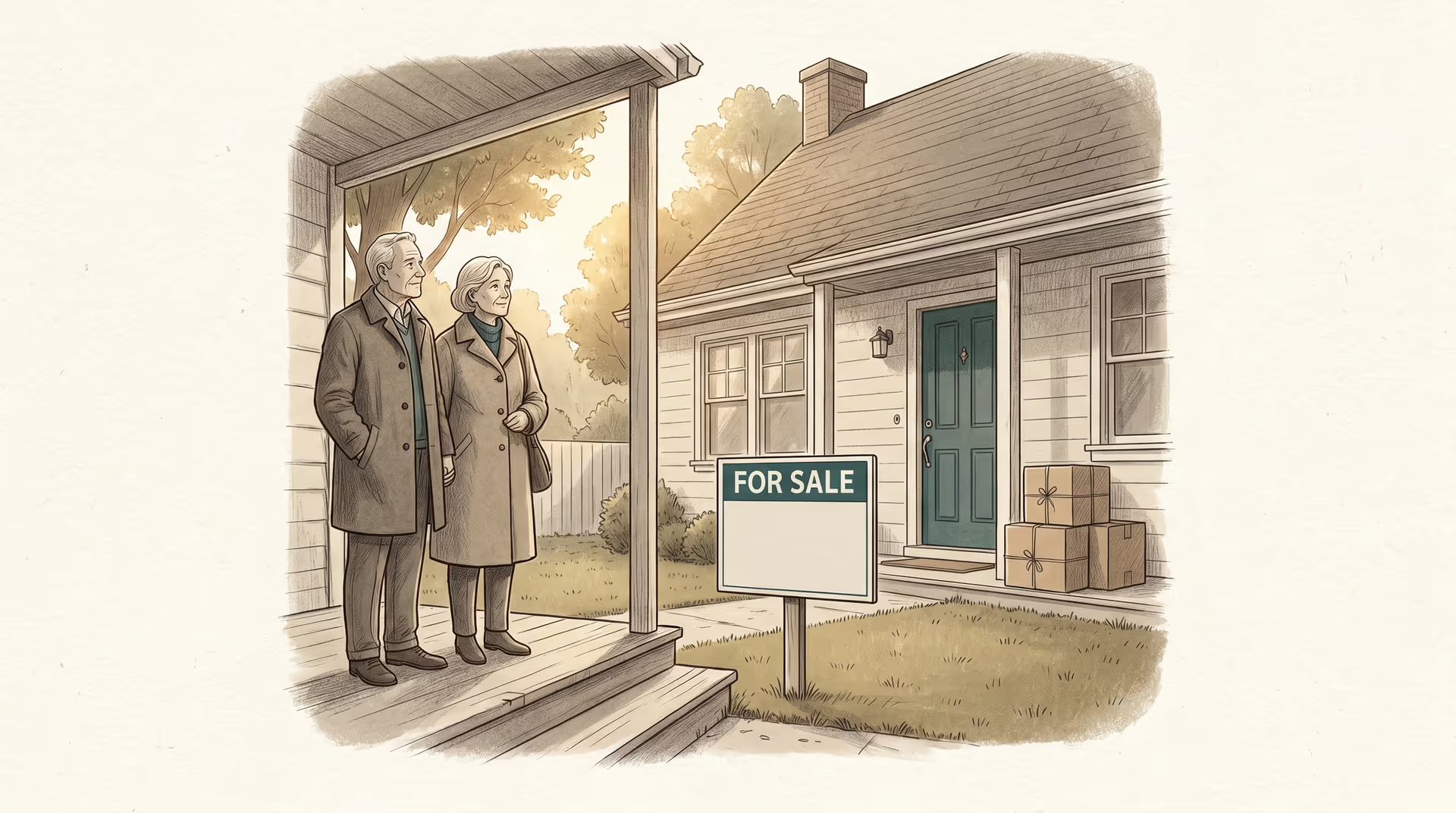
For many older adults, the family home is the single largest asset they own, and the place that holds decades of memories. So when a move to senior living comes into view, selling that home becomes one of the biggest practical and emotional decisions of the whole transition. Done thoughtfully, the sale can fund years of comfortable care. Done in a rush, it can leave money on the table or expose a vulnerable seller to predators.
This guide walks through the questions families wrestle with: when to sell, how to prepare the house, who belongs on your team, how to bridge the gap if you move before the house sells, how to put the proceeds to work, and how to spot the scams that specifically target older homeowners.
Should you sell before or after the move?
There is no universally right answer, only the one that fits your finances, your timeline, and your stress tolerance. Here is the trade-off.
Selling before you move frees up your equity so it's ready to cover an entrance fee or the first stretch of monthly costs. You avoid carrying two housing payments at once, and you walk into your new community with the financial chapter closed. The downside is pressure: you may feel forced to accept a lower offer or pack on a tight deadline.
Selling after you move lets you settle into the community first and declutter the house at a calmer pace, sometimes staging it better and selling for more. The catch is cash flow. You'll be paying for senior living and maintaining an empty house (taxes, insurance, utilities, upkeep), so you need a plan to cover the gap until the sale closes.
| Factor | Sell before the move | Sell after the move |
|---|---|---|
| Cash availability | Proceeds ready for entrance fees/deposits | Need interim funds to cover the gap |
| Timeline pressure | Higher (sale and move compete) | Lower (move first, sell calmly) |
| Carrying two costs | Avoided | You pay community + empty-house upkeep |
| Staging & sale price | Often rushed | Often higher with time to prepare |
| Emotional load | Concentrated into one window | Spread out, but prolonged |
A step-by-step selling timeline
This phased checklist breaks the work into manageable stages. Use it as a working plan and adapt the dates to your situation.
Phase 1: 3 to 6 months out (plan the money and the team)
- Confirm who has legal authority to sell (the homeowner, or an agent under a valid power of attorney).
- Get a realistic value: a real-estate agent's comparative market analysis, and for a larger estate, a licensed appraisal.
- Sit down with a financial planner or elder-law attorney to map proceeds against care costs and to check tax and Medicaid implications.
- Interview agents, ideally one with a Seniors Real Estate Specialist (SRES) background who understands downsizing moves.
Phase 2: 1 to 3 months out (prepare the home)
- Start rightsizing early and slowly; sort room by room into keep, gift, donate, and sell.
- Handle repairs that affect value or inspection (roof, HVAC, plumbing, safety items).
- Gather your paperwork: deed/title, mortgage payoff amount, tax records, warranties, and any HOA documents.
- Stage and photograph once the clutter is cleared.
Phase 3: listing through closing (sell and settle)
- List at the right moment for your local market.
- Review offers with your agent; weigh price against speed and contingencies.
- If timing is tight, ask about a rent-back so you can stay briefly after closing.
- At closing, direct the net proceeds into a dedicated account earmarked for care.
For help thinning out belongings without the overwhelm, our guide to downsizing for seniors breaks the process into manageable steps.
Building your team
You don't have to do this alone, and you shouldn't. A strong team usually includes:
- A real-estate agent who works with older sellers and won't rush emotional decisions.
- A financial planner to coordinate the sale with the cost of care and your other income.
- An elder-law attorney if there's a power of attorney, a trust, Medicaid planning, or any question about who can legally sign.
- A move manager or organizer to handle the physical and logistical lift of downsizing.
Bridging the gap if you move first
If your move-in date arrives before the house sells, you'll need to cover community costs in the interim. Common bridges include a short-term bridge loan secured against the home, a home equity line of credit opened before you list, or simply drawing on savings with a clear repayment plan once the sale closes. The Consumer Financial Protection Bureau explains how home equity loans work and what to compare. Whatever you choose, treat it as temporary; match the loan term to your expected sale date so the interest doesn't quietly eat into your proceeds.
Putting the proceeds to work
Once the home sells, the equity is what funds your care. A few things to understand:
- Taxes are often favorable. Many sellers owe nothing on the gain from a primary residence, thanks to the capital-gains exclusion. The IRS lays out the rules for the sale of your home. Confirm your situation with a tax professional.
- Sequence the money. Proceeds can cover an entrance fee, seed a dedicated care account, or be invested conservatively to generate monthly income. A planner can help you avoid spending the lump sum too quickly.
- Mind Medicaid timing. If long-term Medicaid may be part of the picture later, how and when you convert the home to cash matters. Get advice before you sell, not after.
For the bigger funding picture (combining home equity with insurance, benefits, and income) see our guide on how to pay for assisted living.
A note on reverse mortgages
If a spouse is staying in the home, or you're not ready to sell, some families consider a reverse mortgage (HUD's Home Equity Conversion Mortgage) as an alternative. It's a serious, complex product with real costs and risks. Read HUD's overview of the HECM program and the CFPB's reverse mortgage guide before anyone signs anything, and never let a salesperson rush the decision.
Protecting yourself from scams
Older homeowners with equity are a deliberate target for fraud. Watch for these red flags:
- Unsolicited "we buy houses for cash" pressure with lowball offers and urgent deadlines.
- Equity-stripping or fake foreclosure-rescue schemes that ask you to sign over the deed.
- Title and wire-transfer fraud, where a scammer impersonates the closing agent and reroutes your proceeds.
- Anyone who tells you to keep the deal secret from your family or attorney.
Verify wiring instructions by calling your title company at a number you look up yourself, never one from an email. The FTC's guidance on how to avoid a scam and the CFPB's resources for older adults are worth reading before you list.
Is selling even the right call?
For some families, staying put with the right supports is still the best fit. If you're weighing a move against modifying the current home, our guide on whether aging in place is right for you, and the National Institute on Aging's resources for aging in place, can help you compare honestly. And once you've decided to move, what to expect when moving to senior living walks through the days surrounding the transition itself.
Frequently asked questions
Should I sell my parent's house to pay for assisted living? It can be a sound source of funding, but confirm who has legal authority to sell, check the tax and Medicaid angles with a professional, and look at the full funding picture first; home equity is often just one piece of it.
How long does it take to sell a home before a senior living move? Plan for several months end to end. Preparation and decluttering often take longer than the listing itself, which is why starting the team-building and rightsizing steps early pays off.
What if I have to move in before the house sells? A bridge loan, a home equity line opened before listing, or savings can cover the interim community costs. Keep the financing short-term and tied to your expected closing date.
Will I owe taxes on the sale? Many homeowners owe little or nothing on the gain from a primary residence because of the capital-gains exclusion, but the rules depend on your circumstances; confirm with a tax professional and review IRS guidance.
Selling the family home is rarely just a transaction. Give yourself the runway to do it on your own terms, with the right people around you, a clear timeline, and your guard up against anyone who wants to rush you. The proceeds, handled well, can buy something the house never could: years of care, community, and peace of mind.
