
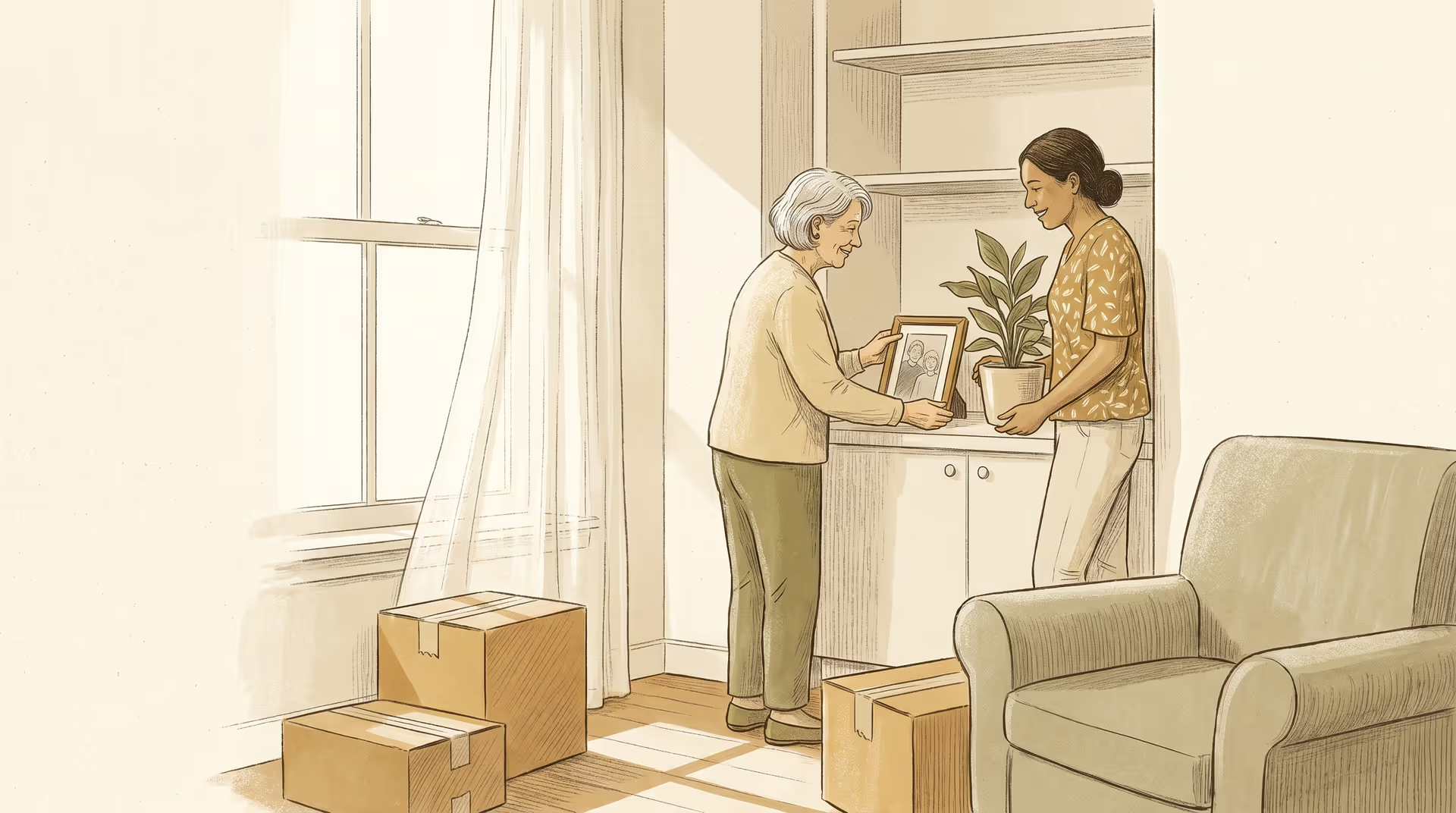
Deciding on a community is a milestone, but the move itself is its own chapter, with its own logistics and its own emotions. Knowing what to expect on either side of moving day makes the whole transition feel like a series of manageable steps. The weeks before the move, the day itself, and the adjustment period that follows each have their own rhythm.
The weeks before: a realistic timeline
Most families feel calmest when they give themselves a runway. Six to eight weeks is comfortable; even two or three weeks is workable if you stay organized. The most common source of move-day stress is trying to compress weeks of decisions into a single afternoon.
A few things tend to take longer than people expect:
- Downsizing. A lifetime of belongings won't fit into an apartment, and sorting it is as emotional as it is physical. Start early, one room at a time.
- The new floor plan. Get exact measurements from the community so you know which furniture fits before you haul it across town.
- Paperwork and care planning. Most communities complete a health assessment and a personalized care plan before move-in, and ask for medication lists, physician contacts, and insurance details.
- Address changes. Pharmacy, doctors, Social Security, banks, and subscriptions all need the new address.
If you're still earlier in the process and haven't chosen a community yet, our guide on how to start your senior living search covers the steps that come before this one.
From downsizing to rightsizing
The word downsizing makes the move sound like a series of subtractions. It helps to reframe it as rightsizing: keeping what genuinely brings comfort and joy, and letting the rest go. A practical method: sort everything into four piles, keep, give to family, donate or sell, and unsure. Revisit the "unsure" pile last, once the easier decisions have built momentum.
Be especially gentle with sentimental items. You don't have to keep an entire china cabinet to honor a memory; a single teacup on a shelf can carry the same meaning. Photographing pieces before letting them go preserves the memory without the square footage.
What's already taken care of
One reassuring surprise for many new residents is how much they don't have to bring or worry about. Senior living apartments are built for safety and ease, and a long list of daily chores simply disappears. Knowing what's provided keeps you from over-packing, and from paying to move things you'll never use again.
| Usually provided by the community | Bring from home |
|---|---|
| Emergency call system, grab bars, accessible layout | Your own furniture (measured to fit) |
| Meals and restaurant-style dining | Familiar bedding, kitchenware you use |
| Housekeeping and laundry service | Photos, artwork, keepsakes, plants |
| Utilities, maintenance, groundskeeping | Clothing for all seasons |
| Scheduled transportation | Important documents and a few days of medications |
| Daily activities and social programming | A favorite chair or lamp that makes it feel like home |
Because the community includes so much, the apartment can feel like home faster than you'd think once your own pictures are on the walls.
Moving day itself
The day goes more smoothly when it's planned like any other big move, with a couple of senior-specific touches:
- Pack an overnight bag. Medications, toiletries, a change of clothes, phone charger, and glasses should travel with you, not buried in a labeled box.
- Tackle the big items first. Get the bed, dresser, and favorite chair placed early so there's a comfortable spot to rest by afternoon.
- Keep snacks and water handy. Moving is tiring; a long day without a break wears on everyone.
- Ask the community for help. Most have a move-in coordinator and team members who do this every week; lean on them.
- Plan a small treat for the first night. A favorite meal, a familiar show, or a phone call with a grandchild turns night one into something to look forward to.
Set up the bedroom and bathroom completely before tackling the rest. Walking into a made bed and a stocked bathroom at the end of the day does a lot for morale.
The adjustment period: what's normal
Families deserve honesty here: adjusting takes time, and a rocky first few weeks is completely normal. The settling-in period commonly runs anywhere from a few weeks to a few months. Early homesickness, second-guessing, or quiet days are simply part of a real transition.
What tends to help most is connection. Loneliness and social isolation carry real health risks for older adults, and one of the quiet advantages of community living is built-in opportunity to engage. The Centers for Disease Control and Prevention notes that staying socially connected supports both mental and physical health. Encourage small steps: a shared meal, one activity on the calendar, a short chat with a neighbor.
A few things that ease the first weeks:
- Show up to one thing a day. A single activity beats a packed schedule. Momentum builds on its own.
- Family visits, then a gentle taper. Frequent early visits reassure, but stepping back a little lets new routines and friendships form.
- Center their feelings, not yours. It's normal for adult children to feel guilt or grief too; process that separately so visits stay positive.
- Give it a full season. Many residents who felt unsure at week two feel genuinely at home by month three.
If you're a family caregiver navigating the emotional side, our guide on how to talk to parents about senior living offers conversation tools that help before and after the move.
The Mirador take
We've watched thousands of families go through this, and the pattern is remarkably consistent: the families who do best treat the move as a transition to support over time. They give downsizing real time and let the community's staff carry some of the load, and they expect the adjustment to take a full season. Lower the pressure on day one, and the days after take care of themselves.
For free, unbiased help finding local resources during the transition (including area agencies on aging), the federal Eldercare Locator is a good public starting point.
Frequently asked questions
How long does it take to adjust to senior living? Most people settle in somewhere between a few weeks and a few months. Early homesickness is normal. Staying socially engaged and keeping a light daily routine tends to speed the adjustment.
How far in advance should we start preparing for the move? Six to eight weeks is comfortable, but two to three weeks is workable if you're organized. Start downsizing first; it almost always takes longer than people expect.
What should we bring versus leave behind? Bring what makes a space feel like home: furniture that fits, photos, keepsakes, and a few days of medications. The community typically provides meals, housekeeping, laundry, utilities, and safety features, so you won't need to bring or replace them.
Is it normal to feel sad or unsure after moving in? Yes. Mixed emotions are common for both the resident and the family. A difficult first couple of weeks is part of a real transition. Connection and a little patience are what turn the corner.
