
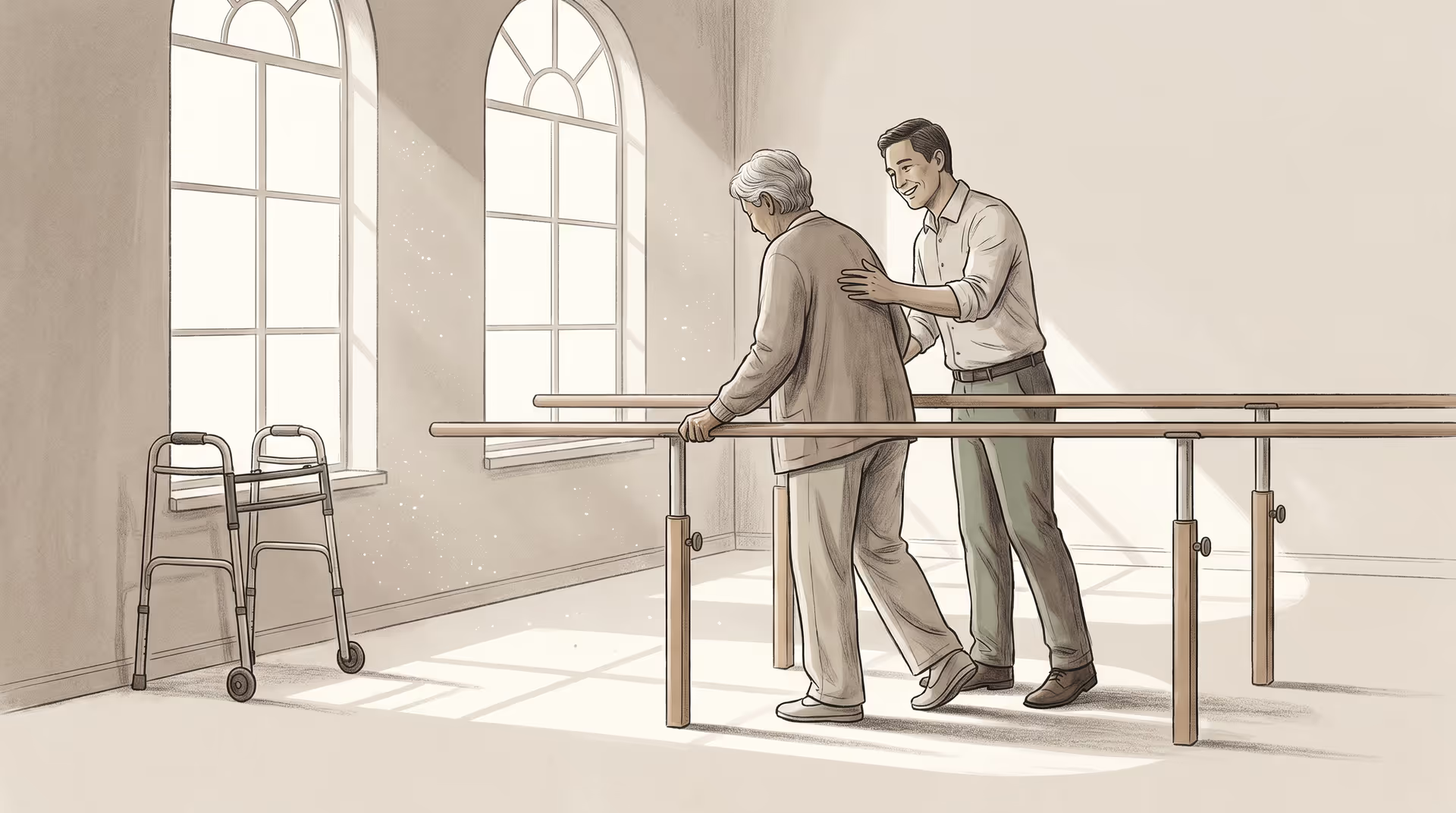
A hip fracture, a stroke, heart surgery, a bad fall, and suddenly the hospital is talking about discharging your parent to a short-term rehab unit inside a nursing home instead of home. The language alone is disorienting: skilled nursing facility, SNF, the "three-day rule," days 21 through 100. In plain English, it comes down to what short-term rehab actually is, what the days look like, who pays, and how to choose a place that will get your loved one home stronger.
What short-term rehab actually is
Short-term rehab is intensive, medically supervised recovery designed to get someone back on their feet after a hospital stay, and then back home. It almost always takes place in a skilled nursing facility (SNF), which is why the two terms get tangled together. The difference is the goal: long-term skilled nursing is open-ended residential care, while short-term rehab is a temporary, goal-driven stay aimed squarely at discharge.
People typically land in short-term rehab after:
- Orthopedic surgery (hip or knee replacement, a fractured hip)
- A stroke or other neurological event
- A serious fall or injury
- Cardiac events or major surgery
- A hospitalization that left them too weak to safely manage at home
The team is multidisciplinary: nurses for medical needs (wound care, IV antibiotics, pain and medication management), plus the three therapies that do the heavy lifting of recovery.
The three therapies that drive recovery
Most rehab plans combine some mix of these, scheduled most days of the week:
- Physical therapy (PT) rebuilds strength, balance, and mobility: relearning to stand, walk, climb stairs, and move safely with a walker or cane.
- Occupational therapy (OT) restores the activities of daily living (dressing, bathing, using the toilet, preparing a simple meal), the practical skills that make independent living possible again. (See our guide to activities of daily living.)
- Speech-language therapy (SLP) helps after a stroke or neurological injury, addressing speech, cognition, and swallowing (a serious safety concern called dysphagia).
What a typical day looks like
A short-term rehab day is busier than people expect; that intensity is the point.
- Morning: nursing checks vitals and medications; staff or OT help with washing and dressing as needed; breakfast.
- Mid-morning to afternoon: one to three hours of therapy total, usually split between PT and OT, with rest and meals in between. The team adds speech therapy when relevant.
- Evening: dinner, lighter activities, family visits, and rest to recover for the next day.
Throughout, the care team tracks progress against goals and adjusts the plan. Expect a care conference with the team to review how recovery is going and to begin mapping the path home.
Medicare coverage, by the day
This is where families get blindsided, so it's worth understanding before discharge. Under Original Medicare (Part A), SNF rehab is covered only after a qualifying inpatient hospital stay of at least 3 days (three midnights as a formally admitted inpatient; time spent "under observation" does not count). You must then enter a Medicare-certified SNF, generally within 30 days. After that, coverage works on a per-benefit-period sliding scale:
| Days in the SNF | What Original Medicare pays | What you pay (2025) |
|---|---|---|
| Days 1 to 20 | 100% of covered services | $0 |
| Days 21 to 100 | All covered services except a daily coinsurance | Up to $209.50/day coinsurance |
| Day 101 and beyond | Nothing | All costs |
A few things to confirm directly with the facility and your plan:
- Verify your inpatient status. Ask the hospital, in writing, whether your loved one is admitted as an inpatient or kept for observation; it determines whether Medicare will cover rehab at all.
- Medicare Advantage is different. If your parent has a Medicare Advantage (Part C) plan, the plan may waive the 3-day rule, but prior authorization and in-network rules apply. Call the plan.
- Coverage follows progress. Medicare pays while the person is improving toward goals. Coverage can end before day 100 if therapy stops being "medically necessary," and you have the right to appeal.
- Confirm the exact current coinsurance amount, which can change each year, at Medicare's SNF coverage page.
How long does a stay last?
There's no fixed number. A straightforward knee replacement might mean one to two weeks; a stroke or complex fracture can run several weeks to a couple of months. The length depends on the condition, the person's baseline health, and how quickly they hit their therapy goals. The honest answer from a good facility is "we'll reassess weekly," not a firm date on day one.
How to choose a good rehab facility: what to ask
Hospital discharge planners move fast, and the list they hand you is rarely ranked by quality. Before you accept a placement, use Medicare's free, unbiased tool and ask pointed questions.
Start with the data. Medicare's Care Compare rates every certified SNF on a 1 to 5 star scale for health inspections, staffing, and quality measures, including how often residents are rehospitalized or get home successfully. Pull it up for any facility on your list. (Our guide on telling a good nursing home from a bad one digs deeper into reading those ratings.)
Then ask the facility:
- What is your staff-to-patient ratio, especially on nights and weekends? Do therapists work weekends? (Recovery stalls when therapy pauses for two days.)
- How many hours of PT/OT/speech therapy per day will my parent get?
- What's your average length of stay for this condition, and what share of patients go home versus to long-term care?
- How do you handle medical changes: is a physician or nurse practitioner on-site, and how fast can you respond to a setback?
- How and when will you involve our family in discharge planning?
- Is the facility Medicare-certified, and will you verify my coverage in writing before admission?
Preparing for discharge home
The goal is home, and the transition deserves as much attention as the therapy. A strong discharge plan, built with you, should include:
- A home safety review: removing trip hazards, adding grab bars in the bathroom, securing rugs. (NIA's room-by-room fall-prevention guide is a practical checklist.)
- A home exercise program so the gains continue after discharge.
- Medication reconciliation: a clear, current list, since prescriptions often change in rehab.
- Arrangements for any home health services, durable medical equipment (walker, raised toilet seat, shower chair), and follow-up appointments.
- Family training on safe transfers and daily assistance.
For some families, the rehab stay reveals that returning home isn't realistic, and a longer-term setting is the safer choice. If that's where things are heading, our overview of what to expect moving to senior living and the distinction between rehab and skilled nursing care can help you think it through.
Frequently asked questions
Is short-term rehab the same as a nursing home? It happens inside a skilled nursing facility, but it's a temporary, recovery-focused stay aimed at getting home, with no expectation of permanent residence.
Does Medicare cover the whole stay? Original Medicare covers 100% for days 1 to 20 after a qualifying 3-day inpatient hospital stay, then charges a daily coinsurance for days 21 to 100, and nothing after day 100. Coverage also requires ongoing therapy progress.
What should we pack? Comfortable, loose clothing and non-slip shoes for therapy, toiletries, glasses and hearing aids, a current medication list, insurance cards, and a few personal comforts. Skip valuables.
Can a stay be cut short by insurance? Yes. If Medicare decides therapy is no longer medically necessary, coverage can end before day 100. You have the right to a formal appeal, and the facility must give you written notice first.
The Mirador takeaway
Short-term rehab can turn a frightening hospitalization into a full recovery, but only when the facility is strong and the family stays engaged. Verify inpatient status before discharge, check Care Compare ratings, ask hard questions about therapy hours and weekend coverage, and start planning the trip home from day one. The real goal is getting your loved one back to the life they had.
