
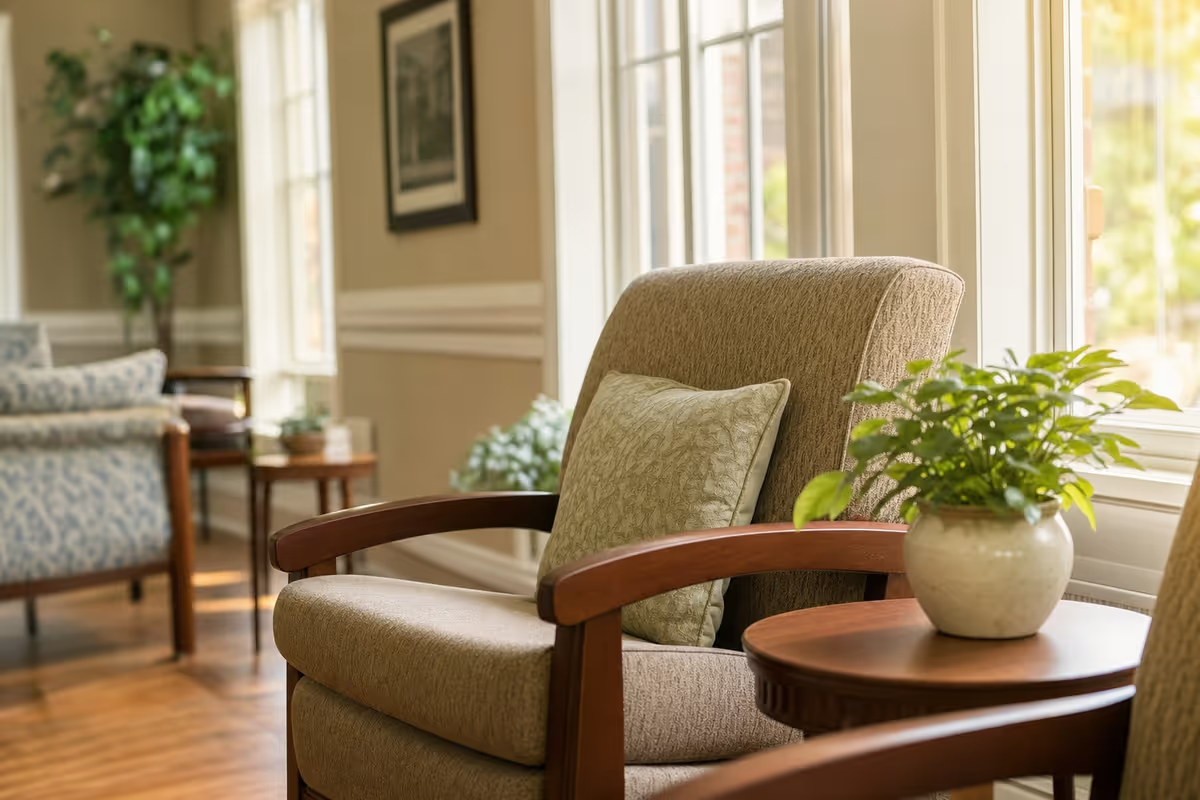
When it comes time to choose a nursing home or skilled nursing facility for a parent or loved one, the marketing brochure and the lobby furniture tell you almost nothing. The people who actually work in these places — administrators, nurses, aides, and the families who've lived through it — say the real signals are quieter and easier to miss. Here's what they pay attention to.
Trust your senses before you trust the tour
Denise Albright, a nursing home administrator, boils her advice down to a simple rule: walk in and use all of your senses.
Look around. Does the place actually look clean, or just decorated? Check for holes or stains in the walls and in the bedsheets. Look at the equipment — is it grimy? And look at the residents themselves. Are their fingernails clean and trimmed? Do they seem content? One small detail that comes up again and again is nails, because clean, cared-for hands suggest someone is paying attention to the everyday details that are easy to skip.
Then there's smell, which nearly everyone agrees is the single biggest tell. A good facility shouldn't smell like much of anything when you walk in. The occasional odor near a resident who was just changed is normal and unavoidable; that's care happening. What you're watching for is a smell that reaches the front door. A wall of urine — especially urine layered under a heavy, cheap floral air freshener — is a red flag about how the place is run, not a one-off accident. Patricia Nolan, whose mother spent two years in care, described a facility where the stench hit her the moment she stepped inside, and it never went away.
Finally, touch things. Run a hand over the surfaces in a room. Do they feel clean, or are they sticky? Is there a texture where there shouldn't be one? Lazy cleaning often means a quick wipe-down or vacuum rather than actually washing a surface, and stickiness gives that away.
One caveat on the "sticky" test: Greg Halloran, a nurse, pointed out that the harsh disinfectant wipes used in medical settings can be corrosive enough to break down the plastic on things like TV remotes, turning them into a permanent sticky, rubbery mess — even when the item is being cleaned constantly. So before you write a place off, try wiping the spot with a damp paper towel. If the stickiness lifts, the surface is just rarely cleaned. If it stays, it may be degraded plastic from frequent sanitizing rather than neglect.
Watch the staff as closely as the residents
Possibly the most repeated insight of all: happy staff is one of the strongest indicators of good care. Burned-out, miserable employees almost always means the residents are suffering too. You can often feel whether a place is genuinely cared for just by how the staff treat the residents and one another.
Megan Foss, a job applicant, described touring a facility where not a single nurse looked up, said hello, or smiled. She turned down the offer on the spot — and felt sorry for the residents who couldn't. The flip side shows up in the best experiences families describe: facilities where every worker smiled, knew the residents by name, and — critically — knew them well enough to notice immediately when something was wrong.
Ask the people who work there but not for the facility
A clever piece of advice: many on-site practitioners aren't actually employed by the nursing home. They're contracted through outside medical groups. A nurse practitioner who serves as a long-term-care facility's lead provider, for example, has no reason to protect the home's reputation and won't get fired for being honest. If you can find them, ask whether they'd place their own family member there. Ask about turnover. You'll often get a straighter answer from someone who works inside the building but doesn't answer to it.
Equally important are the certified nursing assistants. CNAs handle the daily, hands-on work — bathing, dressing, feeding — so they know the good, the bad, and the ugly better than anyone. Talk to several of them, and seek out the one who's been there longest. Ask why they stay. While you're at it, ask the questions that reveal how the place really runs:
- How many patients does one CNA cover? One nurse?
- Is staffing generally good, or always short?
- Are residents up and about, or all parked in bed?
- Are there real activities, outings, and help getting to doctor's appointments?
- How are meals actually handled?
- How often does that in-house podiatrist really come around to trim toenails?
And don't overlook turnover. A facility where the same faces greet you month after month is doing something right; one with a revolving door of new staff is a warning. Carla Jennings noted that her mother's facility had zero staff turnover during her entire stay — a stark contrast to the short-term rehab places they'd cycled through, where they saw new people constantly.
You can also simply ask the residents. It isn't weird to do this — just approach people in public areas, and back off graciously if they seem uninterested or uncomfortable.
Green flags worth looking for
Drawn from families who found places they loved:
- Services under one roof. In-house salon, manicures, a podiatrist making rounds, an on-call doctor who can examine residents and arrange transport to specialists.
- Freedom of movement. Residents are allowed to move around their ward rather than being confined.
- Fresh food made on site. Howard Pruitt's favorite facility — where his mother lived — ran its kitchen roughly sixteen hours a day and even fed visiting guests. (Good food matters more than you'd think — it's one of the things residents notice and comment on.)
- A welcoming attitude toward visitors, plus the freedom to decorate a room with photos and personal touches.
- Patience with difficult residents. Staff who don't berate patients who become agitated or violent — a sign of training and genuine compassion.
- Lots of family visitors, including on ordinary weekdays, not just holidays.
Red flags worth running from
- Smells of waste, dust, or dirt that linger.
- Residents sitting in front of a TV, sometimes begging to have the channel changed, or left alone in dark rooms.
- Almost no visitors on a normal day.
- Staff who won't make eye contact, won't smile, or seem outright unfriendly.
One important note: not every nursing home smells like a hospital ward of human waste, despite how common that experience seems to be for visitors. Bonnie Tran, a former aide, worked in facilities that smelled only of clean water and cleaning solution. If a place reeks, that's a sign of a poorly run facility — not an unavoidable feature of elder care. And appearances can deceive in the other direction, too: Renee Castillo found that a beautifully furnished, high-demand facility treated residents far worse than a plain, no-frills one. In her case, the fancy place with the long waiting list was physically abusing residents. Don't let the décor do the talking.
A word on insurance
Vincent Marsh, a hospital case manager, raised a practical wrinkle that can quietly limit your choices. With traditional Medicare, getting into a facility of your choice is usually straightforward. The complications tend to come from Medicare Advantage plans, which many skilled nursing facilities are not in-network with — meaning the plan that looked cheaper and flashier up front can sharply narrow where your loved one is actually accepted. (Marsh singled out Medicare Advantage as a frequent source of trouble.) If you're discharging from a hospital, the hospital's case managers should know which facilities they work with and which insurers those facilities accept, so coverage shouldn't be a mystery — though bed availability often is the real bottleneck.
For low-income seniors over 65, it's worth looking into whether they qualify for a government secondary insurance program; searching "QMB" along with your state is a starting point. And Roy Childers, whose father served, noted real frustration that VA coverage is contracted only with certain facilities, limiting where those who served can receive long-term care.
None of this is financial or legal advice — insurance rules vary by plan and by state, so confirm the specifics with a case manager or a licensed advisor before making decisions.
The thing to keep in mind
One reflection, from a daughter named Theresa Lindqvist, landed harder than any checklist: for many residents, these are the last people they'll ever interact with, and these are the last four walls they'll ever see. That's a heavy thing to weigh, and it's exactly why the small signals — a smile that's genuine, a name remembered, a room that doesn't smell — matter so much. Choose carefully.
This sensitive topic touches on aging, illness, and end-of-life care. If you're navigating it for someone you love and feeling overwhelmed, leaning on a hospital case manager, a geriatric care manager, or a trusted family member can make the decisions lighter to carry.