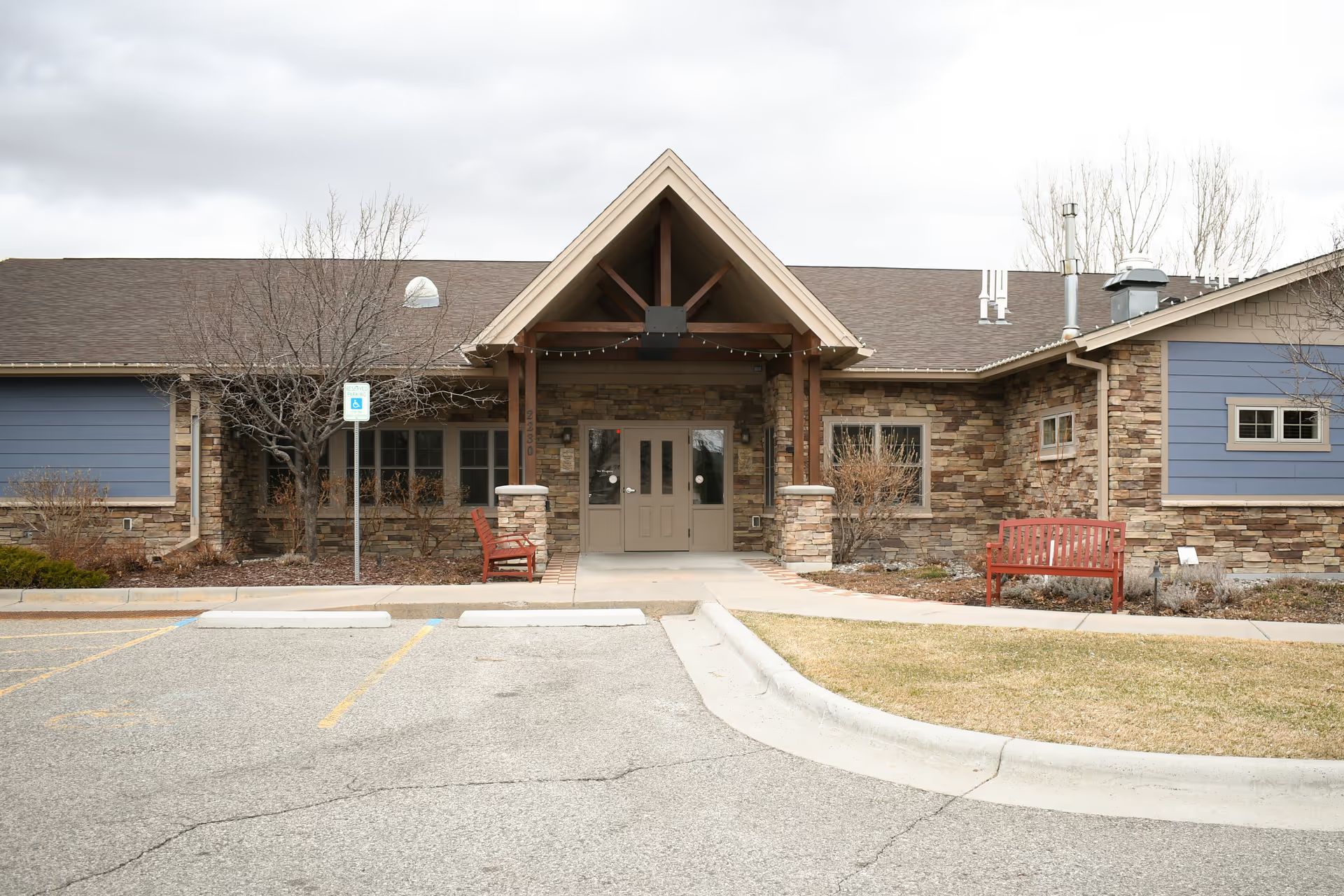
Overall impression: Reviews present a mixed but largely positive picture of front-line care from Stillwater Hospice Billings. Many families emphasize compassionate, skilled nursing and attentive aides who provide comfort-focused, dignity-preserving care. Clinical staff including nurses, chaplains, and social workers are repeatedly described as knowledgeable, supportive, and active advocates for clients and families, and several accounts highlight practical end-of-life assistance such as bereavement support and help with funeral arrangements.
Caregiver quality: Strengths are concentrated in clinical competence and interpersonal warmth. Reviewers consistently note nurses who are confident and effective, aides who are gentle and attentive, and interdisciplinary team members who follow up with families. The agency appears to deliver strong palliative and comfort-oriented skills and to respect client autonomy in many cases, which contributes to family confidence and peace of mind.
Communication and management: Communication is a clear area of uneven performance. Positive comments describe clear updates and proactive check-ins from staff and management, but a subset of reviews raises concerns about inconsistent office-to-family communication and lapses in empathy. Those negative accounts emphasize situations where family wishes felt overlooked or where clinical decisions lacked sufficient explanation. This pattern suggests that day-to-day staff communication and higher-level care coordination generally work well but may break down under emotionally sensitive or complex decision points.
Reliability, scheduling, and responsiveness: On balance, reviewers describe responsive coordination and organized workflows; families mention that staff were easy to work with and that the team checked in regularly. There is no consistent evidence of chronic scheduling failures in these summaries, but the communication inconsistencies imply occasional lapses in timely responsiveness or follow-through that could affect perceived reliability in particular cases.
Billing and value: Review summaries do not focus on billing or cost transparency, so there is insufficient information to draw firm conclusions about pricing or administrative value. Perceived value in the available feedback appears tied to the quality of clinical care and emotional support rather than to explicit comments on cost or billing practices.
Notable patterns and recommendations: The agency’s strengths center on compassionate, clinically capable staff and comprehensive end-of-life supports. The primary risk area is inconsistency in interpersonal communication and in aligning clinical decisions with family expectations. Prospective clients may benefit from asking specific questions about how Stillwater Hospice Billings documents and confirms family care preferences, how it communicates during decision points, and what escalation paths exist when families feel their preferences are not being honored.