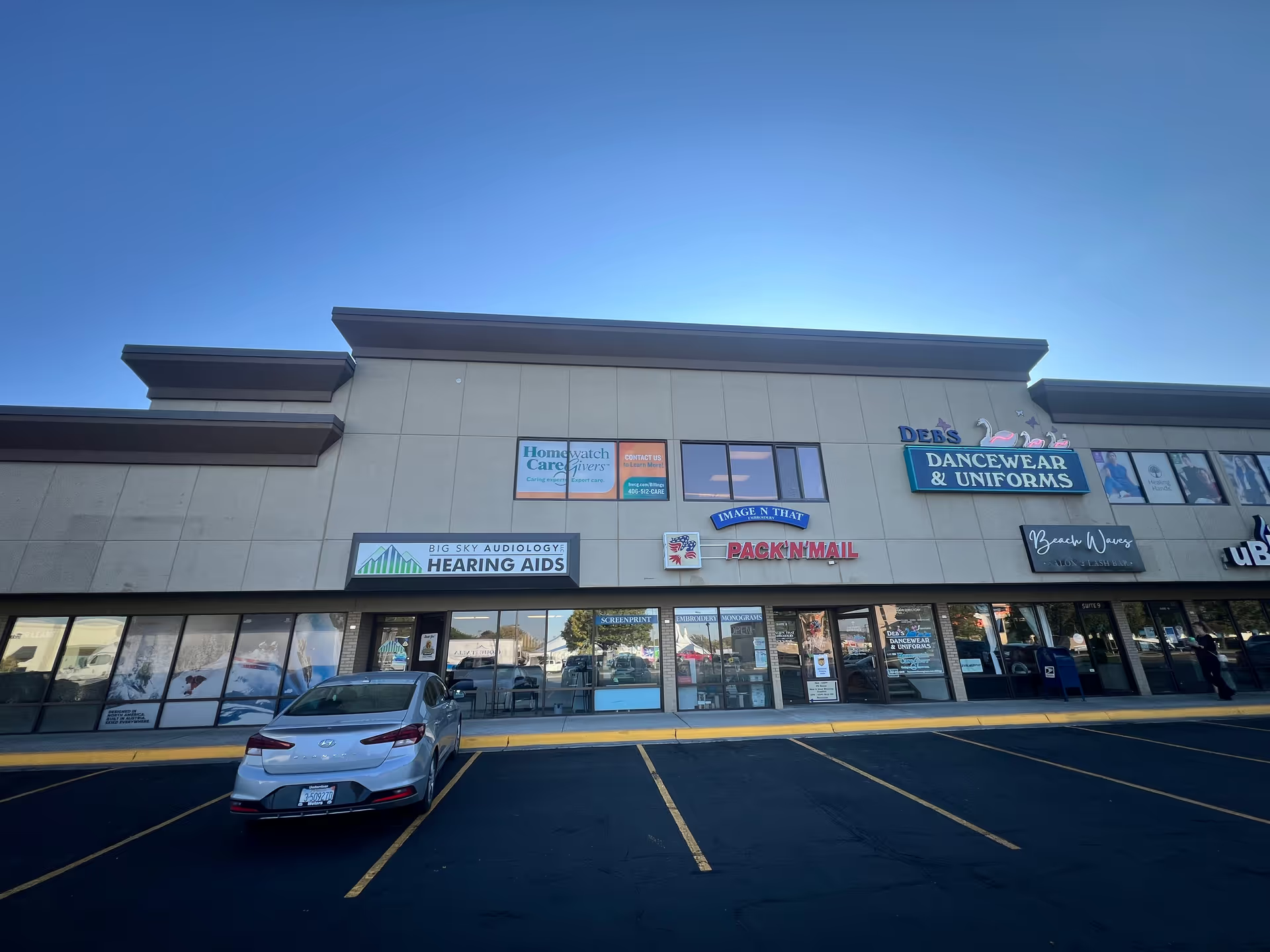
Caregiver quality: The reviews emphasize clinically informed, experienced caregivers who combine medical professionalism with a compassionate approach. Reviewers single out individual aides and office staff by name and describe care as skilled and attentive; language such as "highly skilled," "loving care," and "goes above and beyond" indicates strengths in clinical competence, hands-on assistance, and emotional support.
Office communication and management: Comments of gratitude toward leadership and named team members suggest an accessible, engaged management presence. Praise for specific staff and references to an agency-hosted community event indicate organizational investment in family-facing communication and community outreach. These signals are consistent with proactive supervisory involvement and visible local leadership.
Reliability, scheduling, and value: The summaries repeatedly describe "wonderful caregivers," "good care," and "attentive staff," which implies dependable day-to-day coverage and caregiver attentiveness. Review language such as "highly recommended" suggests families perceive good value for the services received. The provided summaries do not include detailed information about billing practices, overtime, or formal scheduling policies, so those operational dimensions are not assessable from this dataset alone.
Notable patterns: Two patterns stand out: (1) frequent, specific praise for individual caregivers and office personnel, which points to strong staff-client relationships and effective caregiver selection/matching; and (2) an institutional emphasis on community engagement and long-term presence in senior care. For prospective clients, these patterns suggest a professionally oriented agency with strengths in clinical capability and relational caregiving. Areas that are not documented in these summaries—such as billing transparency, formal scheduling flexibility, and shift-coverage protocols—would be reasonable topics to clarify with the agency during intake.