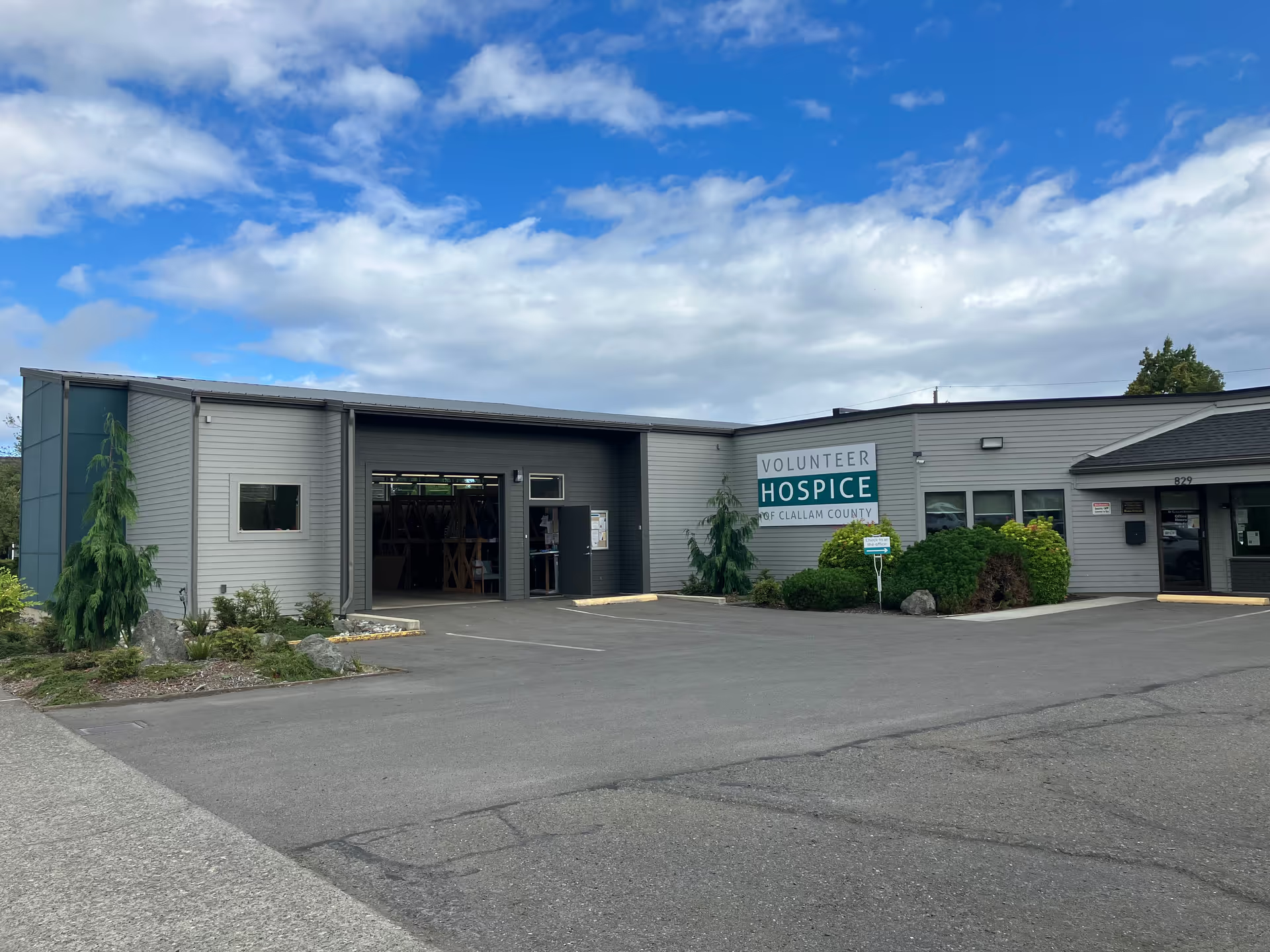
The reviews describe a clinically competent, compassionate caregiving team that delivers dignified and respectful in-home hospice care. Caregivers and nurses are consistently praised for warmth, professionalism, and the ability to support families through end-of-life transitions; many families reported that direct caregiver interactions brought comfort, eased suffering, and provided practical guidance during difficult months. The agency's community engagement and staff-appreciation activities were noted as indicative of a supportive organizational culture.
At the operational level the pattern of feedback is more mixed. Several families described inconsistent office communication — phone calls or messages not being returned and limited follow-up — and they experienced gaps in after-hours responsiveness, particularly over weekends. These coordination problems manifested as delayed respite arrangements, interruptions to scheduled personal-care routines, temporary reductions in bathing or hygiene support, and an inaccessible lockbox or other access logistics issues. In some cases these operational gaps required family members to repeatedly advocate for changes before corrective action was taken.
Clinical decision-making and medication coordination were also mentioned as an area needing attention. A small number of accounts describe delays in initiating or adjusting medications and hesitation from after-hours staff; in at least one instance, the issue was resolved after family advocacy and office discussion. Conversely, where nursing staff were engaged and communicative, families reported timely guidance and appropriate care adjustments.
Overall the pattern suggests strong bedside care quality paired with uneven administrative and after-hours systems. Prospective clients and families are likely to find compassionate, experienced caregivers and a generally supportive hospice model, but should clarify front-office processes up front: confirm on-call coverage and response expectations, discuss medication-management procedures, review respite scheduling timelines, and verify key/access arrangements. When families raised operational concerns directly with management, improvements were sometimes reported, indicating responsiveness when issues are escalated.