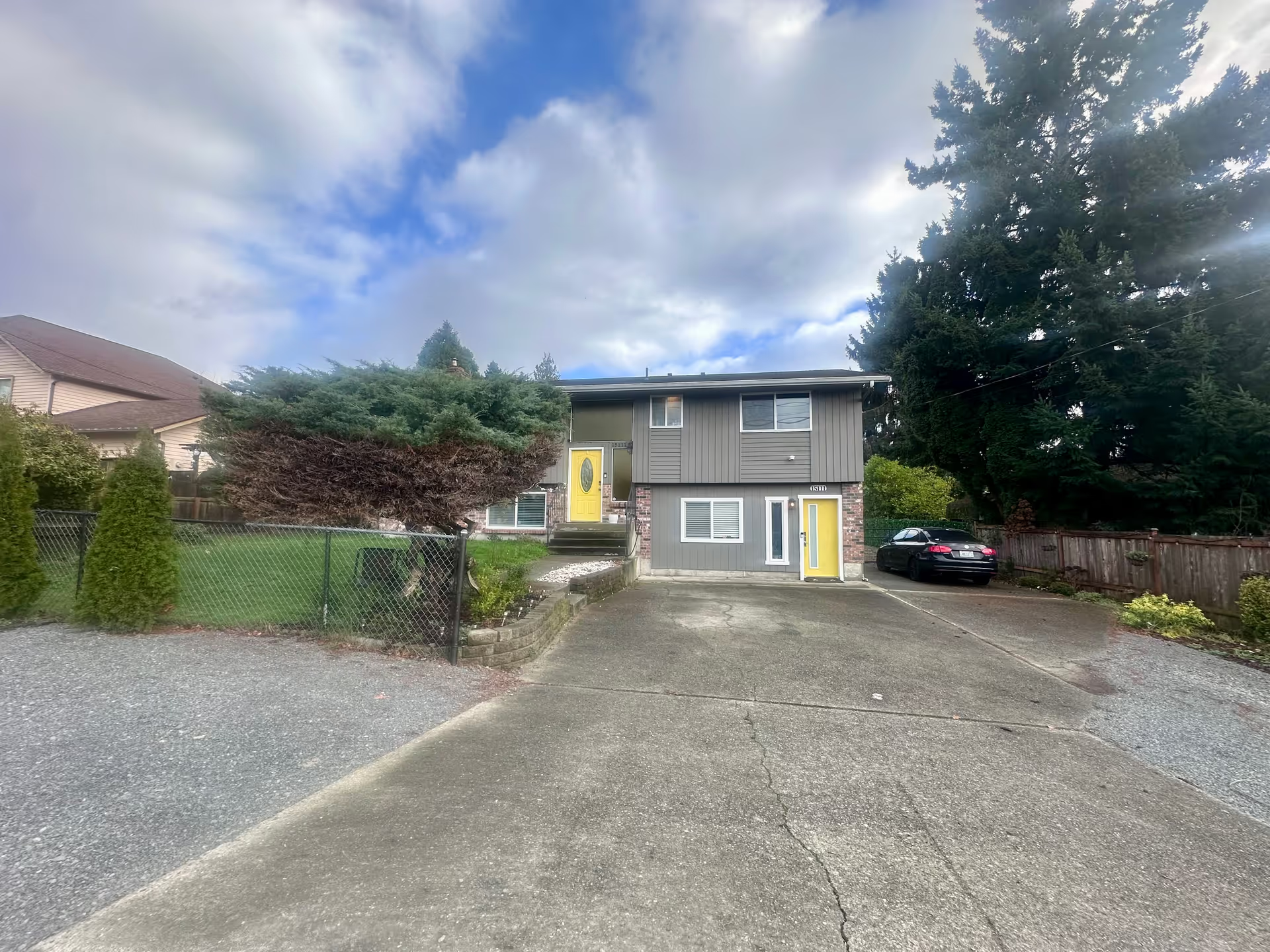
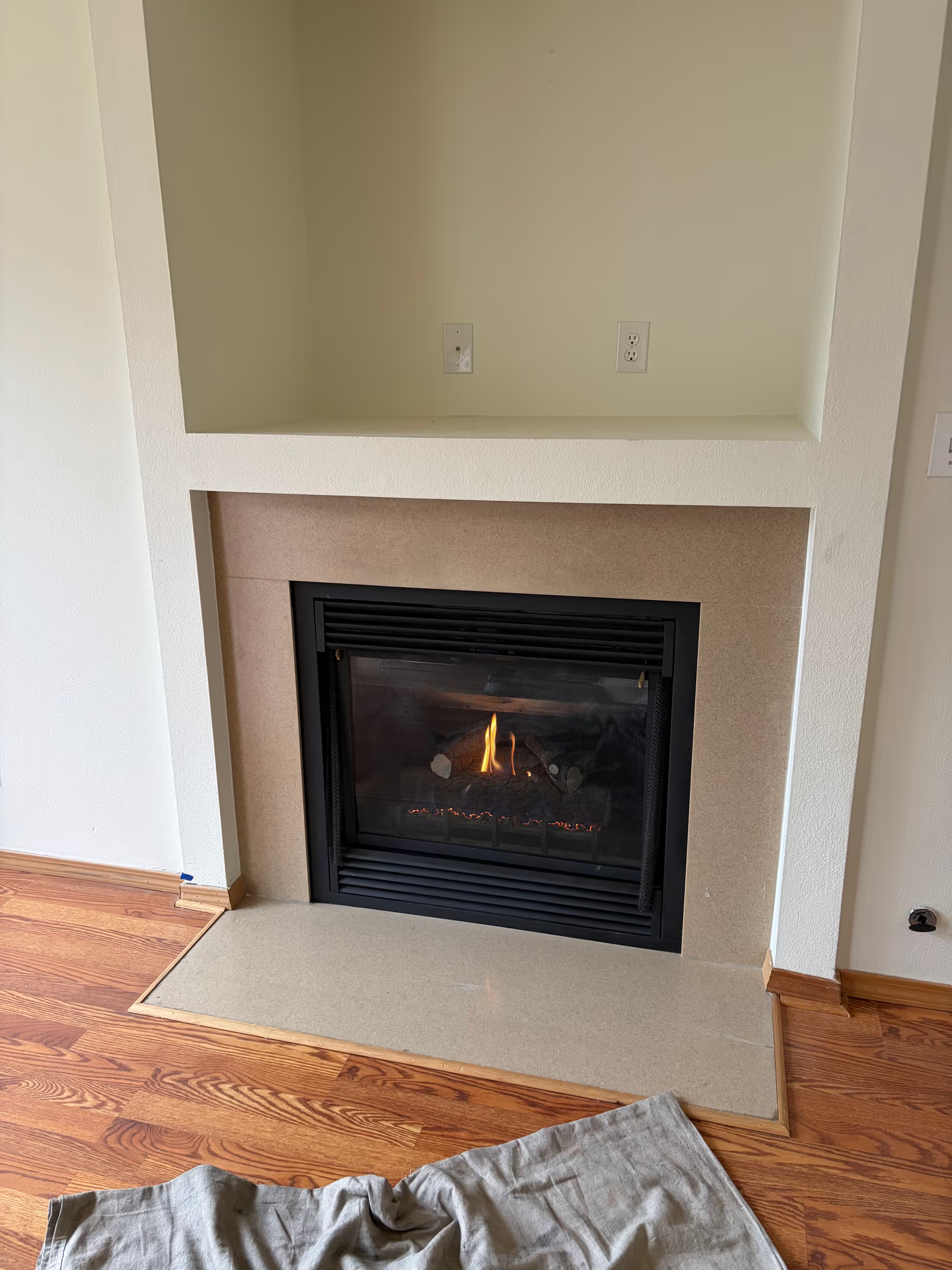
The review summaries present a consistently positive view of Delightful Living AFH of Edmonds, with emphasis on caregiver warmth, individualized attention, and a clean, home-like setting. Care quality is portrayed as compassionate and hands-on: multiple phrases point to one-on-one care, attentive staff, and an environment that families find reassuring. The facility’s cleanliness and a sense that it is well-run are recurring strengths in the summaries.
On caregiver quality specifically, reviewers highlight kindness, compassion, and experience with hospice or end-of-life support. That combination suggests staff are comfortable with both daily personal care and more complex, comfort-focused needs. The references to coordinated care and trusted relationships indicate that caregivers and management communicate at least well enough to deliver a consistent sense of support to families.
Communication and reliability are described in generally positive terms via phrases such as "coordinated care" and "supportive, trusted." However, the summaries do not provide detailed information about day-to-day operational topics like shift-by-shift reliability, documented handovers, or formal policies for last-minute schedule changes. Prospective clients should therefore clarify office communication practices, expected response times, and how family updates are handled.
Regarding scheduling flexibility and reliability of shifts, the available language emphasizes individualized attention rather than explicit guarantees about coverage. Families report peace of mind, but the summaries lack specifics about after-hours coverage, emergency backup plans, or formal continuity-of-care procedures. Those operational items are important to confirm directly with the agency when evaluating fit.
On billing and value, the summaries are silent. There is no explicit commentary about pricing, billing transparency, or how changes to service plans are handled. That absence suggests prospective clients should request written billing policies, cancellation procedures, and examples of how changes to care plans affect cost.
Management appears owner-driven, with the owner named positively; this can be an asset for responsiveness and personal oversight. At the same time, an owner-centric structure can create single-person dependencies for coordination, so families should ask how responsibilities are distributed across staff and what coverage exists if primary managers are unavailable.
Notable patterns: consistently repeated praise for compassionate caregivers, a clean and home-like environment, and supportive relationships with families. Absent from the summaries are operational specifics on pricing, emergency coverage, and formal continuity policies. For decision-making, request written policies on scheduling/backup coverage, billing, caregiver assignments, and communication protocols to supplement the positive qualitative impressions captured in these reviews.