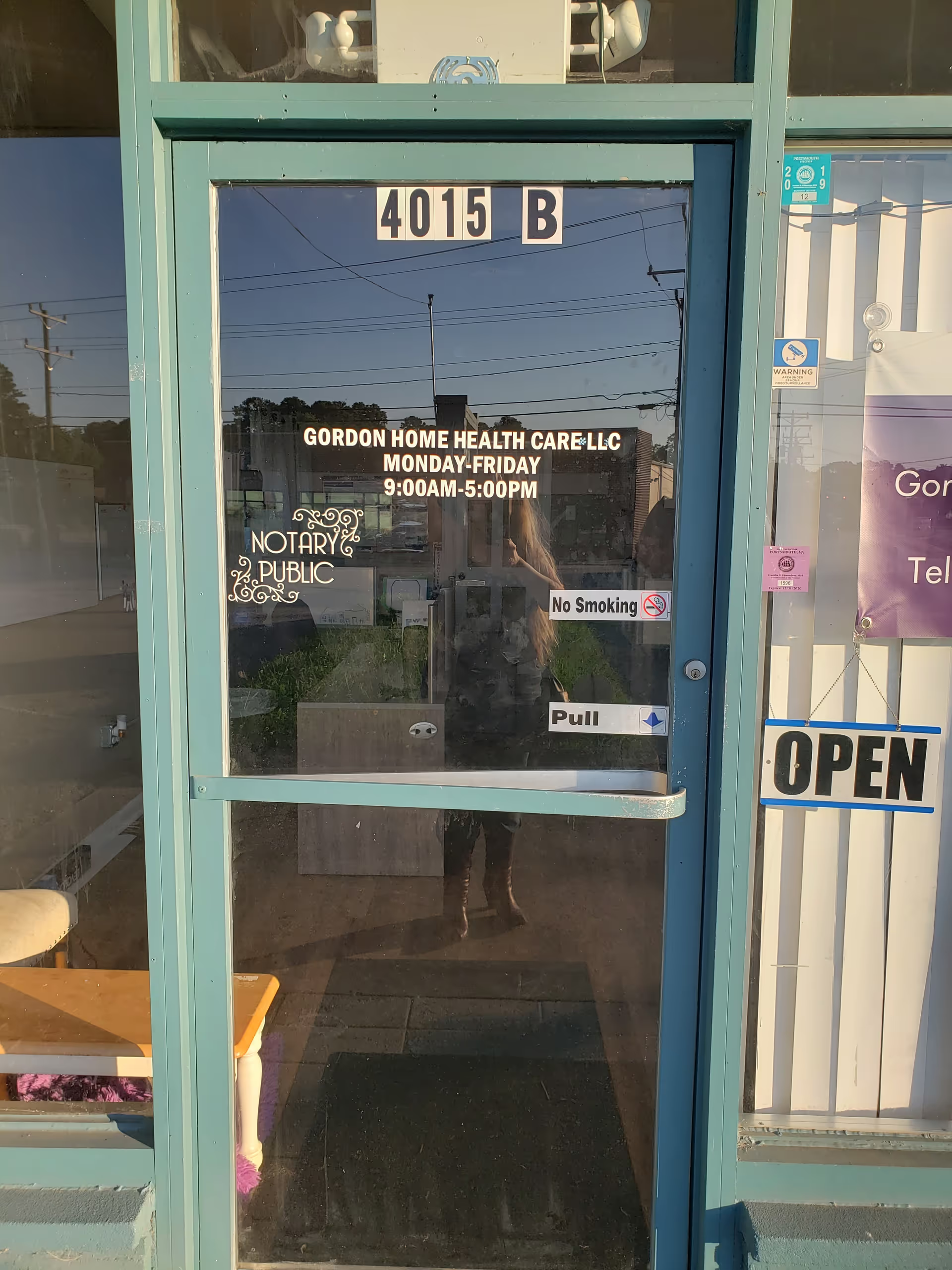
The review set presents a mixed picture that contrasts clear strengths in individual caregiving with numerous operational and governance concerns. Many reviewers described compassionate, long-standing caregiver relationships and positive experiences with community-oriented activities; these accounts indicate the agency can provide attentive, continuity-focused support and meaningful social engagement for some clients. At the same time, a recurring set of operational issues appears across reviews and warrants careful attention from prospective clients and their families.
Caregiver quality is described inconsistently. Several families praised caregivers for compassionate, competent long-term and end-of-life support, indicating the organization can deliver high-quality interpersonal care. However, other accounts raise concerns about caregiver professionalism and conduct, including disrespectful interactions and insufficient attentiveness during visits. These contrasting accounts suggest variability in caregiver performance and possible gaps in training, supervision, or matching processes.
Office communication and reliability emerge as prominent weaknesses. Reviewers frequently cite unresponsiveness to calls, late or absent callbacks, and limited transparency about client status. Reliability of coverage is another common theme: missed shifts, last-minute cancellations, and limited visit frequency were described. Together these points indicate systemic scheduling and communication processes that may not consistently meet family expectations for timely updates and dependable coverage.
Billing, financial governance, and related oversight are serious areas of concern in the reviews. Multiple reviewers described unclear billing practices, unpaid or late bills, and withheld client funds; some raised allegations of financial exploitation or mishandling of conservatorship/guardianship arrangements. There are also mentions of potential regulatory and compliance weaknesses. These are significant governance-level issues that prospective clients should explicitly address with the agency before engaging services.
Clinical oversight and safety also surface in the reviews. A number of comments reference medication-management worries, hospitalizations, and health complications that families felt were not adequately monitored or communicated. Combined with the communication and scheduling gaps, these clinical concerns point to potential weaknesses in care coordination, supervision, and escalation protocols for acute changes in client condition.
Management and leadership appear to be an underlying factor for several operational problems. Reviewers who described a positive mission noted disappointing execution and leadership shortcomings, suggesting that organizational intent may not consistently translate into dependable service delivery. Notable patterns include poor follow-up after critical events (including limited communication with families following a client’s death), inconsistent administrative responsiveness, and questions about financial controls.
For prospective clients: verify written policies and safeguards. Ask for documented caregiver training and supervision processes, shift guarantees or backup staffing plans, standardized communication protocols (including escalation contacts), written billing and financial-management policies, and references from current or recent families. If there is any concern about conservatorship or funds-handling, request explicit, auditable processes and consider independent oversight before transferring financial authority.
In summary, the agency shows strengths in compassionate caregiving and community engagement for some clients, but reviewers consistently identify operational, communication, clinical-oversight, and financial-governance weaknesses. Families should perform targeted due diligence on scheduling reliability, office responsiveness, clinical escalation procedures, and financial safeguards prior to enrolling a loved one.