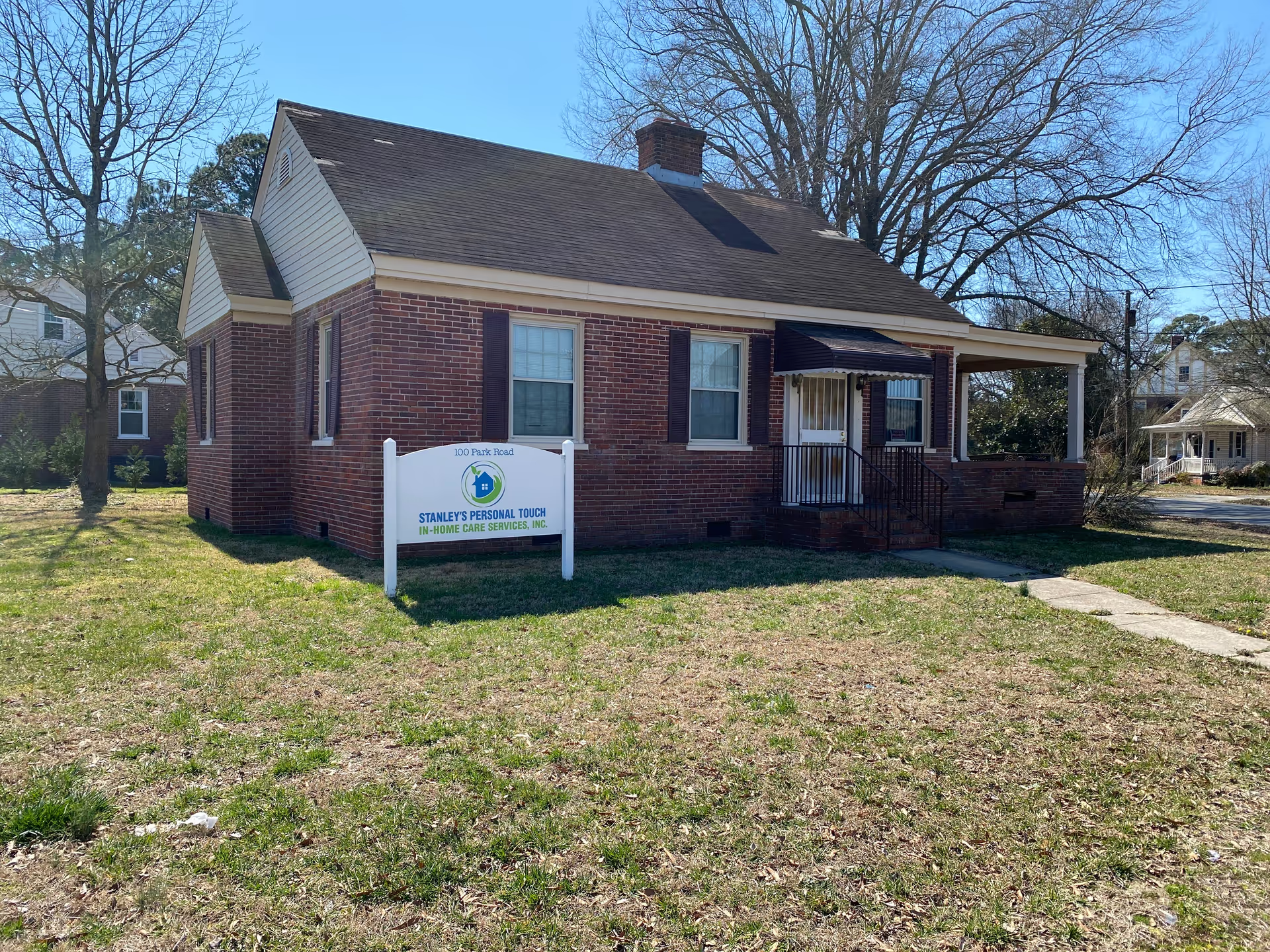
Reviews indicate a clear split between caregiver-level strengths and agency-level administrative weaknesses. At the caregiver level, families praise individual aides (several reviewers named caregivers positively) for professionalism, compassion, attentiveness, and respectful interactions. These comments suggest that direct-care staff can provide warm, client-centered support and that, when present, caregivers perform reliably and communicate clearly with families.
Conversely, multiple administrative and operational issues emerged. Reviewers described gaps in shift coverage such as missed replacements and broader staffing constraints; these translate into inconsistent caregiver assignments and unreliable shift coverage. There are also repeated references to limited office responsiveness and lack of follow-up from management, which affects case continuity and makes scheduling adjustments more difficult.
Scheduling flexibility appears constrained by staffing levels and by unclear internal procedures. A discharge-related dispute noted in the feedback points to weaknesses in how transitions and terminations of service are handled; prospective clients should ask for documented discharge and transition policies. Financial and billing concerns are another notable pattern: at least one review raised a serious allegation regarding billing that merits careful attention. Families should request detailed, written billing statements and clarify pay/charge procedures before enrollment.
Overall, the pattern is one of strong caregiver performance when staff are assigned and present, paired with operational vulnerabilities in staffing, scheduling, office communication, and administrative transparency. Prospective clients and their families may find good hands-on care from specific aides but should confirm contingency staffing plans, obtain written communication and billing policies, and verify how the agency handles follow-up and discharge to reduce the risk of gaps or disputes.