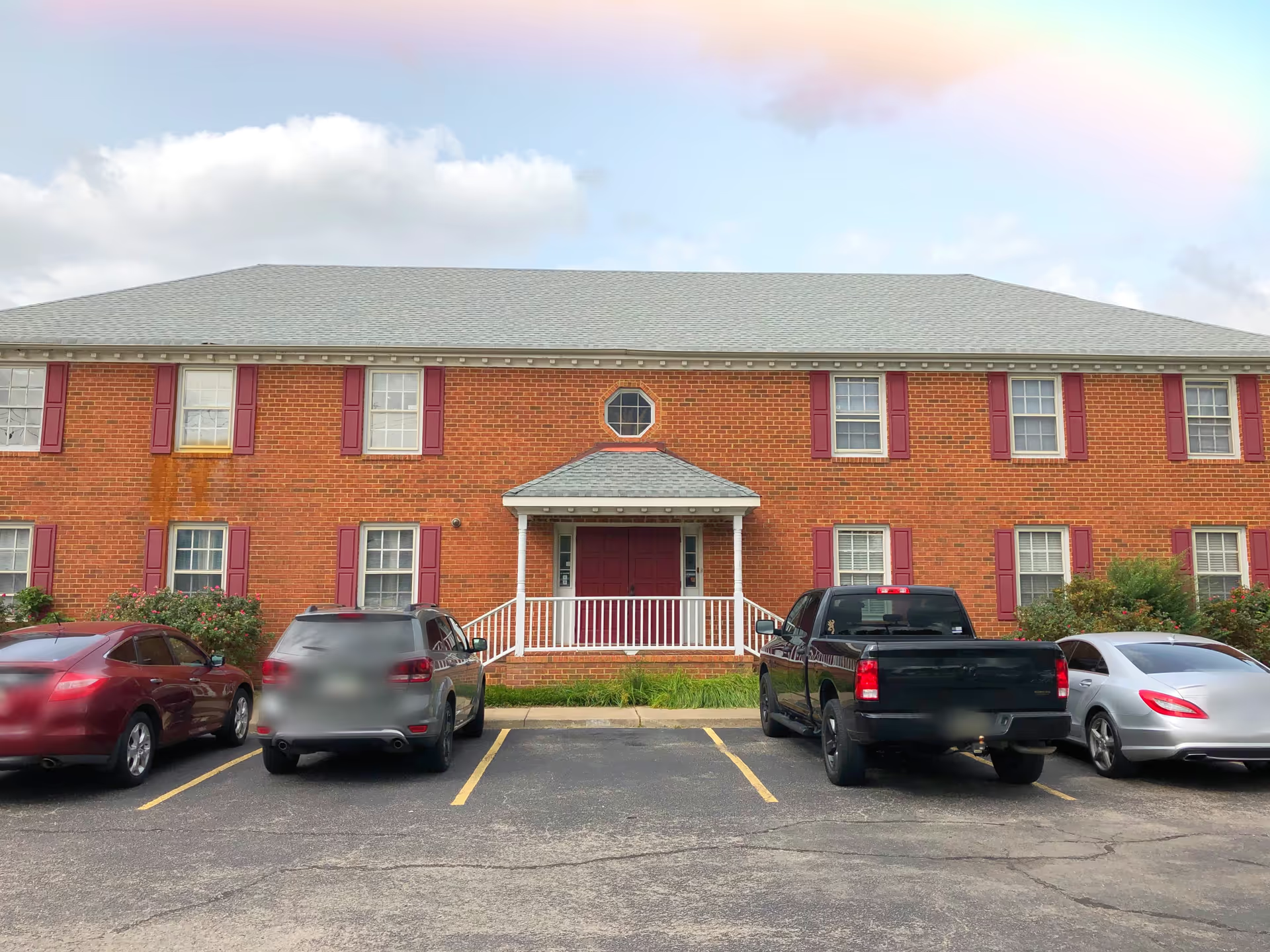
Overall impression: Reviews present a mixed picture in which clear strengths in front-line caregiving and program offerings coexist with operational weaknesses that affect families' experience. Many comments emphasize warm, respectful caregivers, a welcoming facility environment, and practical supports such as an adult day program and dementia education materials. Transportation staff are singled out for attentiveness, and several notes reference interdisciplinary team meetings and a professional clinical presence as positive elements of care coordination.
Caregiver quality: Caregivers are frequently described as compassionate, kind, and family-oriented in their approach. These positive accounts point to strength in day-to-day personal care, social support, and client-facing interactions. At the same time, reviewers describe variability in caregiver assignments and occasional concerns about conduct or professionalism; this suggests that while many clients receive strong interpersonal care, consistency and staff oversight can be uneven.
Communication and clinical reliability: A recurrent theme is inconsistent communication between the agency, clinic staff, and family caregivers. Examples include delays in medication handling, interruptions to scheduled services, and limited follow-up from clinical staff. Some families referenced negative interactions with clinic personnel and concerns about transparency of information. These issues indicate gaps in information-sharing protocols and medication-management workflows that can materially affect continuity of care.
Scheduling, service continuity, and programming: The adult day program and in-home supports are valued for convenience, but reviewers describe service interruptions and challenges with scheduling flexibility. There is also a perception of limited ongoing programming or engagement offerings beyond core services. Prospective clients should clarify shift coverage standards, cancellation policies, and the range of program activities before enrollment.
Management and value: Positive perceptions of value tend to align with experiences of reliable, coordinated care and compassionate staff. Conversely, families who encountered leadership or clinic-conduct concerns rated their experience negatively; these comments point to the need for stronger management oversight and clearer escalation or complaint-resolution pathways. There is limited direct commentary about billing practices in the available summaries, so perceived value appears closely tied to operational consistency rather than price alone.
Recommendation for prospective clients: Sentara PACE demonstrates notable strengths in personal caregiving, transportation, and interdisciplinary coordination, and it can be a good fit when those elements are consistently delivered. Families should ask specific questions about medication management procedures, caregiver continuity and matching, how the agency communicates clinical changes with families, scheduling reliability, and how leadership addresses concerns. Clarifying these operational details up front can help set expectations and reduce the risk of the negative experiences some families described.