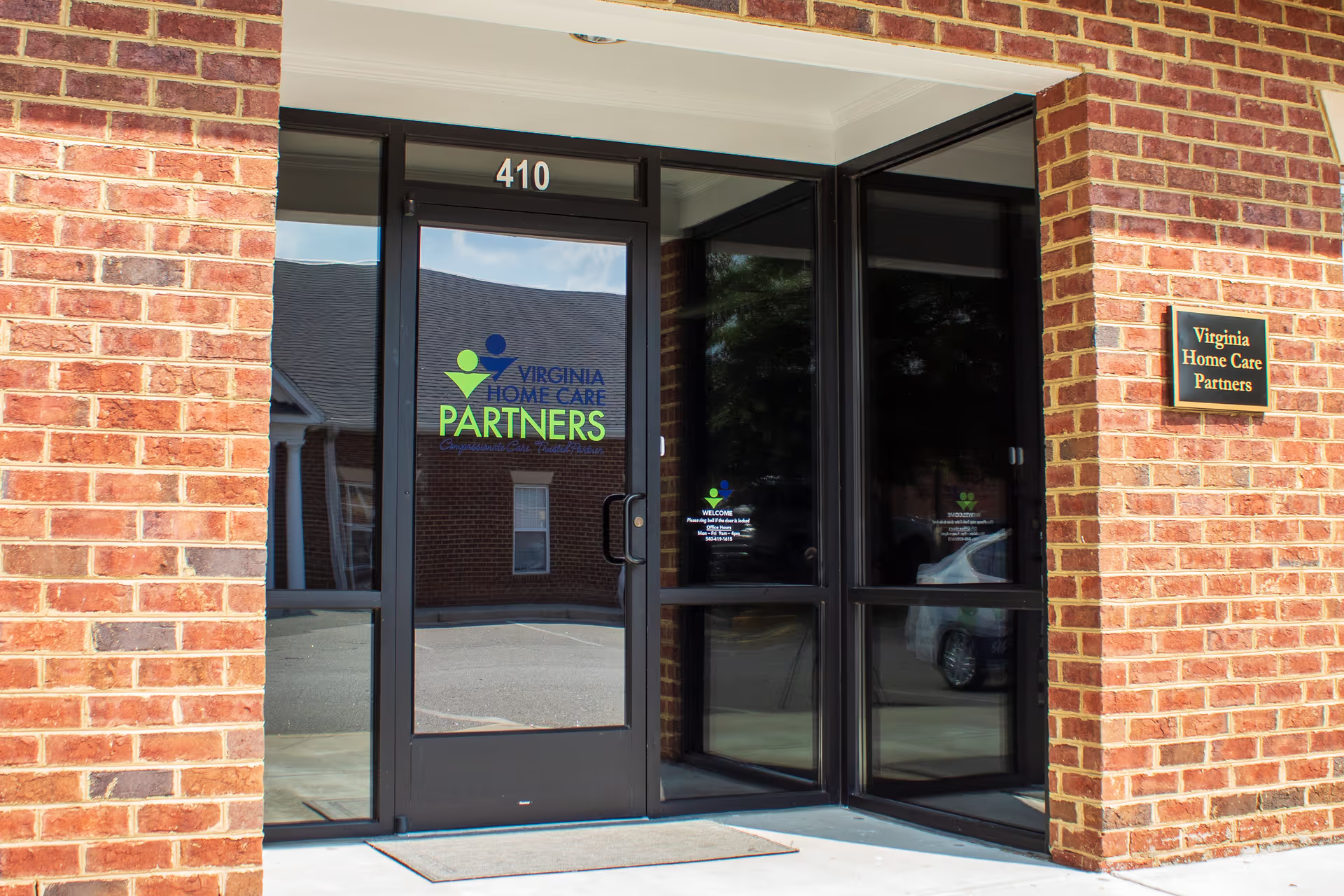
Overall impression: The agency elicits a strong pattern of compassionate, person-centered home care. Many families describe caregivers and nurses as warm, patient, and attentive; allied clinicians — especially physical therapists and speech therapists — are frequently characterized as knowledgeable, motivating, and effective. Wound care, PICC-site management, and therapy-driven mobility gains are repeatedly cited as strengths. Multiple reviewers praised hospice staff and social-work support for providing comfort, clear explanations, and family-focused guidance during transitions.
Caregiver quality and clinical skills: Caregiver and clinician quality is a clear positive theme. Reviewers emphasize caregivers who provide dignified, kind, and detail-oriented personal care; nurses who explain treatments and monitor clinical parameters; and therapists who deliver tailored exercise plans and measurable progress. Wound care and therapy expertise appear to be particular centers of competence, with several mentions of clinicians who educate families and adjust plans based on progress.
Office communication and responsiveness: Communication is generally described as clear and family-centered, with staff that coordinate supplies, explain medications, and keep families informed. However, a recurrent operational limitation is after-hours responsiveness: several accounts describe delayed or difficult contact outside standard business hours. Prospective clients should clarify on-call coverage and escalation pathways up front.
Reliability of shifts and scheduling: Scheduling reliability is mixed. Many families experienced consistent, punctual visits and stable caregiver assignments, which supported continuity of care. Counterbalancing that, there are numerous mentions of missed or rescheduled visits, frequent staffing turnover, and inconsistent shift coverage. These scheduling gaps are among the most common operational concerns and can affect continuity, especially for clients requiring frequent or tightly timed care.
Scheduling flexibility and value: When visits are delivered as planned, families report good value — clinicians who teach, motivate, and promote recovery, and caregivers who provide dependable day-to-day support. The agency’s ability to coordinate in-home supplies and medication delivery is appreciated by many, though occasional delays with equipment or oxygen setup were reported and can undermine perceived value in time-sensitive situations.
Management, billing, and systemic issues: Several reviews point to challenges in insurance coordination and billing communication, including confusion around coverage and authorization. A subset of reviewers also linked care-quality fluctuations to organizational changes such as mergers or staffing transitions; these comments indicate variability in managerial execution during periods of change. A few serious individual concerns about clinical instructions and end-of-life care were raised; while these appear to be isolated, they warrant careful inquiry by families evaluating the agency.
Notable patterns and recommendation: Strengths cluster around compassionate caregiving, skilled nursing and therapy services, and a collaborative team approach that supports family involvement. Operational weaknesses center on scheduling reliability, after-hours responsiveness, equipment logistics, and variability during organizational transitions. For prospective clients: ask specific questions about caregiver continuity, after-hours and emergency coverage, timelines for equipment setup, and how the agency handles insurance authorizations and transitions. Those who prioritize therapy-driven recovery and family-centered communication are likely to find strong value; those requiring strict scheduling adherence or guaranteed 24/7 responsiveness should verify operational commitments in writing.