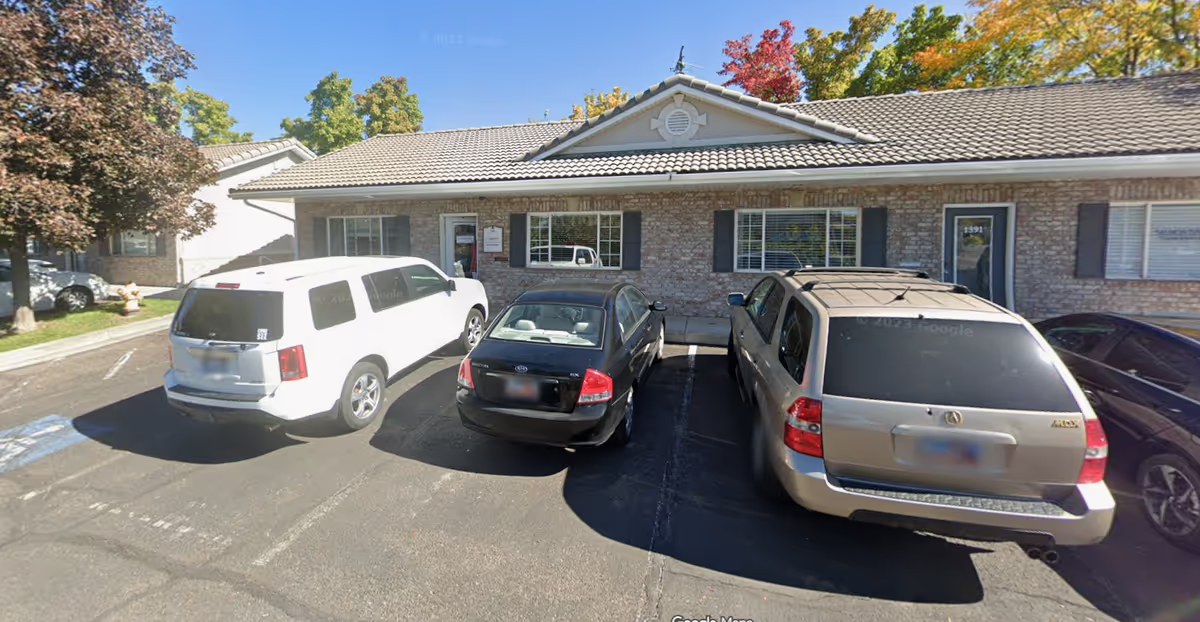
Community Nursing Services - Provo elicits strong, polarized feedback. Many families describe consistently compassionate, respectful caregivers and clinically effective therapists who supported recovery after surgery and provided high-quality hospice presence. Reviewers commonly praise in-home physical and occupational therapy, clear explanations from clinicians, regular nurse check-ins, punctual visits, and a family-focused, empathetic approach that helped clients remain at home. On-call responsiveness and hospice availability are repeatedly noted as key strengths for end-of-life support and acute post-operative needs.
At the same time, a pattern of operational weaknesses appears across the accounts. Caregiver assignments are sometimes inconsistent, which can compromise continuity of care for clients who benefit from a small, stable team. Office-level coordination and communication gaps are described, including delayed responses and uneven follow-through on care plans; relatedly, discharge conversations and clinical handoffs have been characterized as unclear in some cases. Several reviews raise concerns about medication management and device oversight, including missed or incorrect medication administration and issues with medical-device care, which point to the need for stronger clinical oversight and standardized medication-safety protocols.
Administrative issues also recur. There are multiple mentions of billing errors and intrusive billing-related calls to family members, which reduce perceived value and trust. Families also report an expectation that they will handle transportation arrangements and maintain detailed documentation, creating an added burden during recovery. In one account a serious allegation led to a malpractice claim; that individual report suggests prospective clients should directly inquire about clinical oversight, incident investigation, and escalation procedures.
Management responsiveness shows variability: in several cases an in-person visit from agency leadership resolved concerns and left families feeling acknowledged and supported, indicating local management can and does remediate problems. For prospective clients, practical steps include confirming caregiver continuity, asking for explicit medication and device-management plans, clarifying billing cycles and contact protocols, and documenting escalation pathways for clinical concerns. Overall, the agency demonstrates notable strengths in compassionate, therapy-driven home care and hospice support, counterbalanced by operational inconsistencies that warrant careful pre-engagement discussion and ongoing monitoring by families and care coordinators.