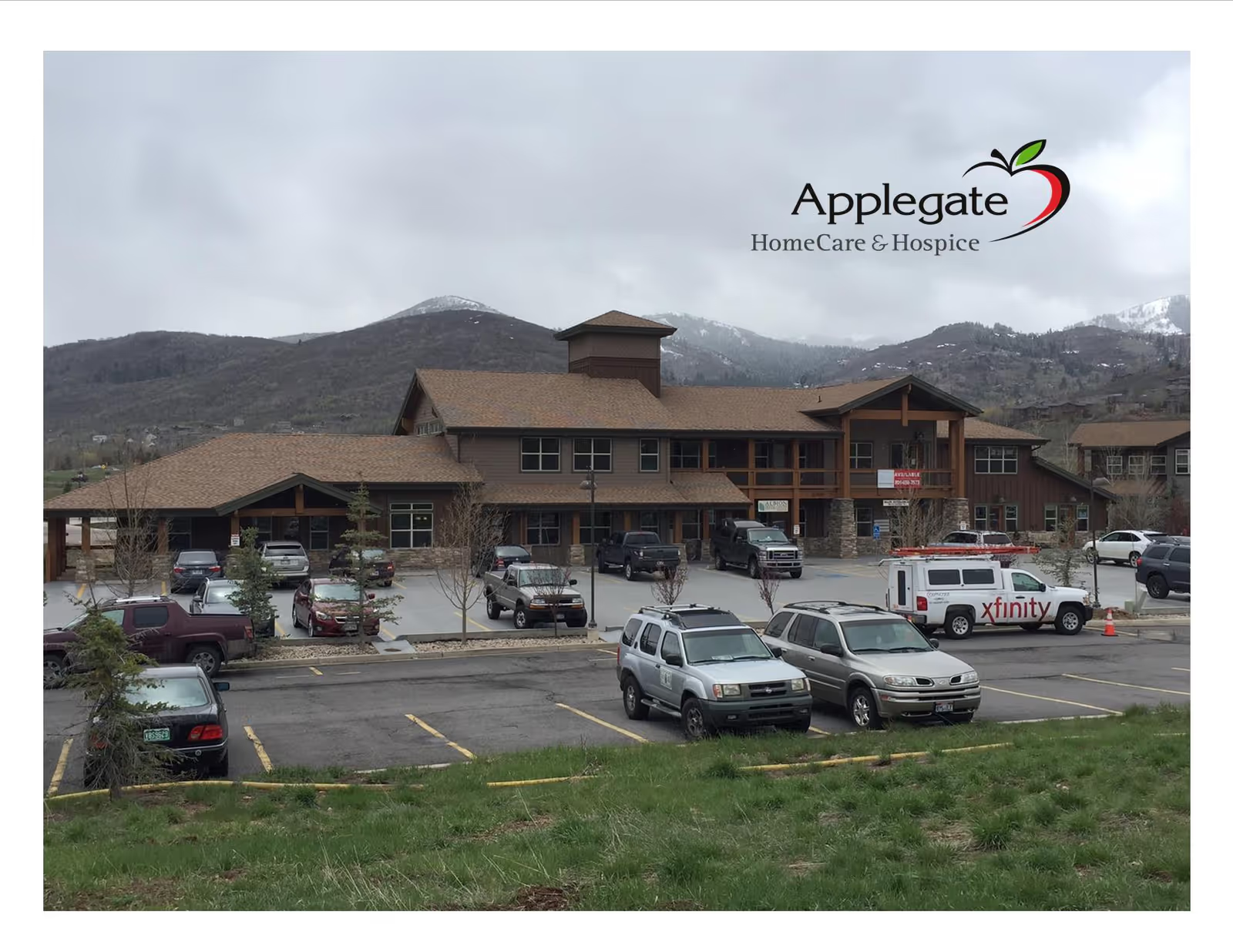
Applegate Homecare & Hospice Heber receives consistently positive commentary for its clinical staff and bedside manner. Reviewers frequently praise the agency's physical therapists and nurses for clinical competence, clear instruction, and hands-on rehabilitation — examples include personalized PT plans, written home-exercise programs, effective hip rehab, and timely identification of acute medical issues. Families also emphasize compassionate, attentive caregivers and a hospice team led by a board-certified director, which together create a supportive atmosphere for both routine home-health needs and end-of-life services.
Communication experiences are mixed. Many clients describe clear plan-of-care updates, medication reviews, and family-facing guidance that keeps relatives informed. Conversely, other families note poor office responsiveness — difficulties with phone and fax communication and a sense of unprofessional management — which can undermine the overall experience. These communication gaps appear to be operational rather than clinical, affecting coordination between the office and field staff.
Reliability and scheduling present a similar split. Several reviews highlight punctual caregivers and proactive appointment reminders, while others report repeated no-shows and scheduling unpredictability. This contrast suggests that reliability depends on specific staffing assignments and local operational factors; when the assigned team is consistent, families describe high satisfaction, but inconsistent coverage produces frustration and diminished trust.
Value and scope: reviewers report helpful insurance navigation and describe the care delivered as supportive and practical, particularly for in-home rehab and pain management. There are few explicit comments about billing detail; overall, perceived value tends to be higher when clinical teams remain consistent and communication is clear.
Operationally, the agency's strengths are concentrated in clinical competence (therapy and nursing), hospice leadership, and the interpersonal quality of individual caregivers. The principal patterns of concern are office responsiveness, management consistency, and shift reliability. Prospective clients may benefit from confirming specific scheduling guarantees, preferred caregiver assignments, and preferred channels for urgent communications before care begins to reduce the chance of coordination issues.