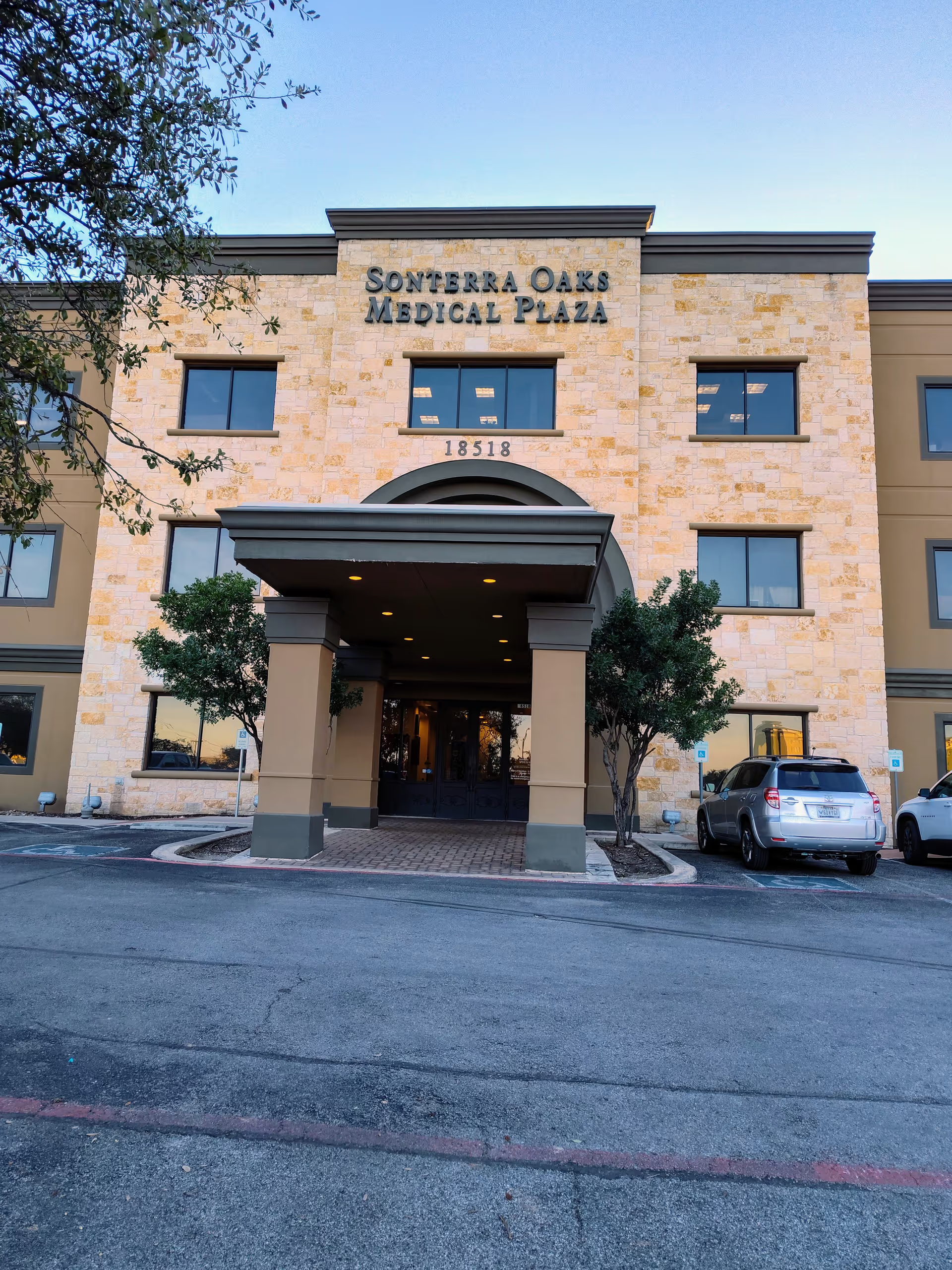
Reviews reflect a mixed experience with AccentCare Hospice & Palliative Care–Greater San Antonio. Positive comments focus on front‑line caregivers: multiple families described individual aides, nurses, and therapists as compassionate, attentive, and skilled. Reviewers praised staff who provided clear explanations of care, supported families through transitions, and at times went beyond assigned duties to meet client needs. Therapy staff and some clinical leaders received favorable mention for providing personalized and engaging care, and a number of accounts highlight strong, family‑oriented relationships between caregivers and clients.
At the same time, patterns of operational weakness emerge. Office communication is frequently characterized as unprofessional or dismissive, and families describe gaps in care coordination that create confusion about schedules and responsibilities. Several accounts cite inconsistent training and uneven adherence to care protocols, which contributes to variability in caregiver performance and bedside manner. These operational gaps also appear to affect responsiveness: reviewers reported delays in care and problems with timely intervention, as well as concerns about the accuracy of incident documentation and internal reporting.
Scheduling reliability and psychosocial support are additional areas of concern. Families described limited engagement from social workers and inadequate family-support communication, which can leave caregivers and relatives feeling unsupported during transitions or episodes of increased need. While some families experienced consistent, thorough personal‑care practices, others described inconsistent coverage or variability in how personal‑care tasks were performed.
Taken together, the pattern suggests that the agency is capable of delivering high-quality, compassionate front‑line care when staffing, training, and communication align, but that outcomes are uneven across cases. Prospective clients and families may benefit from asking about caregiver matching and continuity, staff training and supervision practices, expected frequency of social‑work visits, incident‑reporting procedures, and guarantees or policies around shift coverage before engagement.