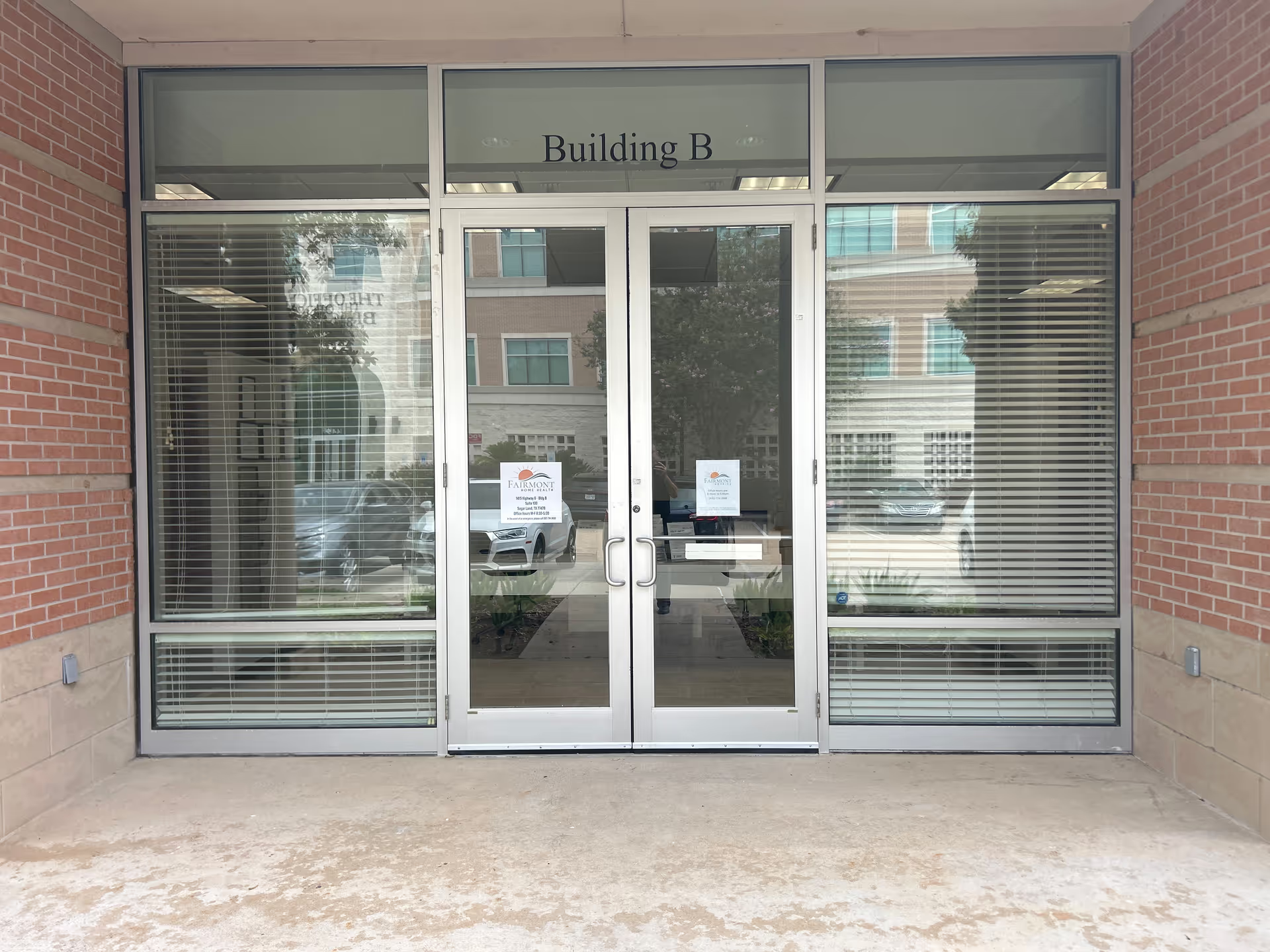
Overall impression: Fairmont Hospice receives frequent praise for its bedside teams and clinical nurses, who are described as compassionate, respectful, and family-centered. Reviewers commonly highlight responsive RNs who provide clear medication explanations and regular health updates, caregivers who treat clients with dignity, and visible psychosocial supports including chaplain services and bereavement follow-up. The agency’s availability for urgent needs is a consistent strength; families describe 24/7 access, timely medication and equipment ordering, and staff who facilitate rapid admissions and transitions from hospital or nursing facilities.
Caregiver quality and clinical competence: Strengths cluster around nursing and caregiving that provide calm, informed end-of-life care. Many families praised specific nurses and aides for empathy, bedside manner, and timely clinical responses. However, there is notable variability: a subset of reports describe inconsistent caregiver skill or limited empathy, and a few note concerning one-off incidents of poor professionalism or missed clinical expectations. This yields an overall pattern of generally strong clinical care punctuated by occasional lapses in individual caregiver performance.
Office communication, reliability, and scheduling: Communication and responsiveness are mixed. The agency’s 24/7 call center and proactive liaisons are repeatedly commended for keeping families informed and coordinating care, yet other reviewers describe slow or absent office follow-up, including unanswered calls and difficulty obtaining timely administrative responses. Reliability of shift coverage also shows divergence: many families report timely visits and weekend support, while others experienced missed shifts, no-shows, or frequent caregiver changes that undermined continuity.
Supplies, equipment, and administrative processes: Operational strengths include proactive coordination of prescriptions and equipment for many cases. At the same time, reviewers indicate inconsistent provisioning of supplies and equipment in some episodes, and there are recurring administrative issues such as unclear billing practices and gaps in follow-up documentation related to end-of-life procedures. Language access is a clear limitation identified by families seeking Spanish-speaking staff.
Value, management, and notable patterns: Families frequently describe high perceived value when care is consistent — citing emotional support, practical assistance with transitions, and responsive nursing as reasons to recommend the agency. Management responsiveness also appears to be situation-dependent: supervisors and liaisons resolved issues effectively in several accounts, but other families reported inadequate escalation or refusal to coordinate with involved parties. In sum, Fairmont Hospice’s core clinical strengths and round-the-clock availability make it a strong option for in-home end-of-life care for many families, while operational inconsistencies in staffing continuity, language access, billing transparency, and some administrative processes are areas to verify during admission conversations.