Overall impression: Reviews emphasize a strong hospice culture centered on compassion, clinical competence, and family support. Many families described caregivers, nurses and chaplains as professional, warm, and attentive; several reviewers used terms such as "going above and beyond" and expressed gratitude for the comfort and peace provided during transitions. Named clinicians and aides were frequently singled out for positive performance, and the agency's ability to coordinate inpatient and outpatient services is noted positively.
Caregiver quality: Caregivers and nursing staff are the agency's most consistently praised element. Comments highlight dependable symptom management, attentive bedside presence, and caregivers who treat clients and families with respect. Spiritual and emotional support is a recurring theme; chaplaincy and bereavement support are explicitly appreciated. These strengths suggest well-developed clinical and interpersonal training for front-line staff and a hospice approach that prioritizes dignity and comfort.
Communication and reliability: Many families reported clear, timely communication and felt well informed about care choices and symptom control. The agency's 24/7 availability, weekend coverage, and quick response to changes in condition are frequently commended. However, a minority of reviews describe breakdowns in office-level communication, instances where agreed services were not provided, and cases where clinical escalation occurred without family agreement. Those comments point to intermittent gaps in administrative follow-through and to the need for clearer consent and escalation protocols between clinical teams and families.
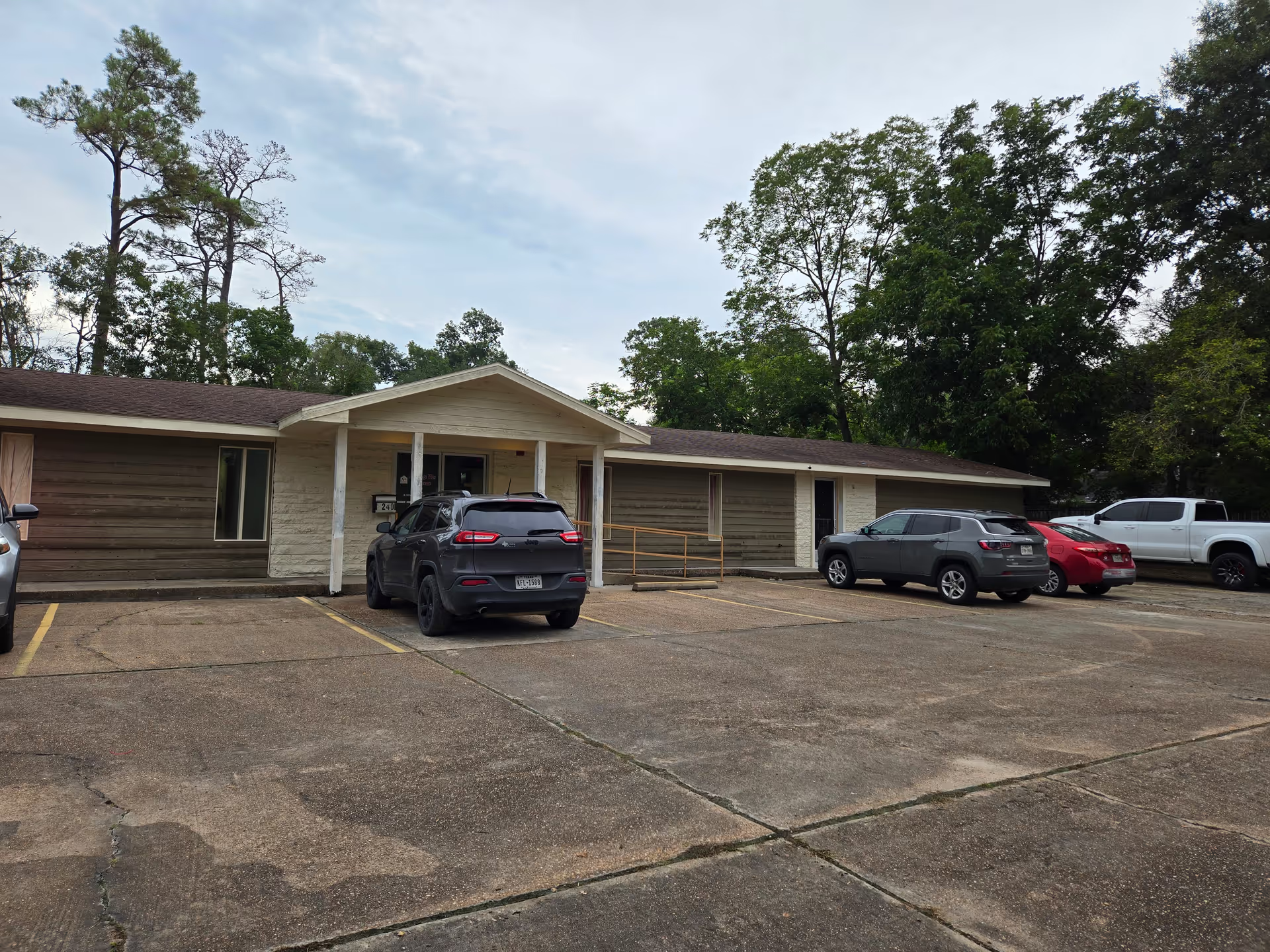
Scheduling, value, and management: Scheduling flexibility, prompt shift coverage, and perceived value of services are generally described positively; several reviewers framed the service as an essential rural hospice option. Office staff and specific leaders received praise for helpfulness and professionalism, while other accounts indicate variability in intake competency and administrative coordination. There are also isolated environmental concerns that affected family confidence in the facility environment. Financial or billing complaints were not a recurrent theme in the available summaries; overall, families expressed gratitude for the care and support received.
Notable patterns and recommendations for prospective clients: The dominant pattern is one of high-touch, compassionate clinical care delivered by capable nurses, aides, and chaplains. For prospective clients and families, it would be prudent to confirm — at intake — the written scope of services, the agency's consent and escalation procedures for emergent changes, and cleaning/maintenance protocols. Those steps can help preserve the strong clinical and interpersonal qualities noted by many reviewers while reducing exposure to the intermittent administrative and environmental issues that were raised.