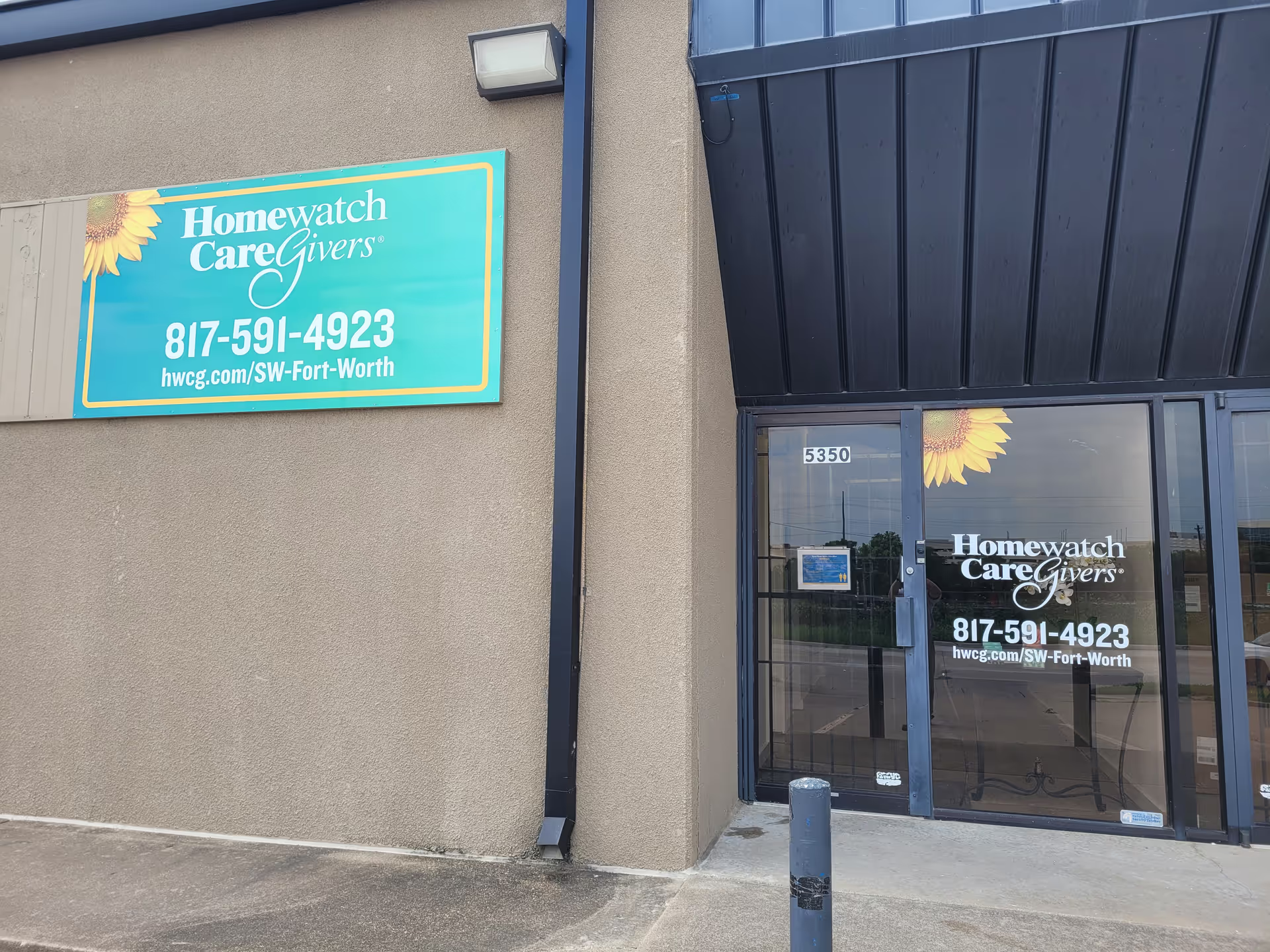
Overall impression: Reviews describe a split pattern: clinical staff—especially therapists and bedside nurses—receive consistent praise for compassion, skill and effective rehabilitation work, while agency-level operations (scheduling, office communication, and administrative oversight) are frequently described as unreliable. Families experienced strong hands-on care from individual caregivers and therapists but often encountered gaps when interacting with the office or during coordination of services.
Caregiver quality: A clear strength is the clinical capability and bedside manner of many field staff. Physical and occupational therapists were repeatedly noted as competent, encouraging and effective at progressing mobility and therapy goals; a number of therapists were named positively. Nurses and aides are described as compassionate and patient in many accounts, providing attentive clinical assessments and direct-care support. That said, reviewers also described variability in skill and the need for better initial training or supervision for some aides, indicating that consistency across personnel can fluctuate.
Office communication and management: A dominant theme is weak office-side communication and care coordination. Multiple reviewers reported difficulty reaching a reliable single point of contact, delayed or absent follow-up, and inconsistent answers from administrative staff. Several accounts describe unprofessional interactions with office personnel and a perceived lack of managerial responsiveness when problems arose. There are also isolated but serious concerns about privacy/HIPAA handling that prospective clients will want clarified.
Reliability and scheduling: Operational reliability is an area of concern. Common issues include missed visits, last-minute cancellations, no-shows, and unexplained discharges. Reviewers attributed some failures to local staffing shortages and inconsistent assignments, producing unpredictable daily coverage and occasional gaps in therapy start-up or aide services. These patterns suggest the agency may struggle at times to match staffing capacity to client demand in specific areas.
Billing, value and transitions: Several reviewers raised questions about Medicare/payment coordination and billing clarity, including disputes and confusion about what services would be delivered. Conversely, when administrative communication is strong, families reported timely answers and felt the service provided good clinical value. Transition points—starting care, switching agencies, or discharge—appear to be particular pressure points where coordination and communication often broke down.
Notable patterns and guidance: The overall pattern is one of strong clinical staff performance tempered by inconsistent administrative systems. Prospective clients should verify scheduling reliability and a primary contact before enrollment, request written care and therapy start plans, confirm billing and Medicare coordination up front, and ask about contingency staffing plans for no-shows or shortages. Documenting visits and maintaining regular check-ins with the clinical team can help preserve continuity when office-side issues arise. For families who prioritize close operational oversight and predictable scheduling, it may be prudent to confirm recent local staffing stability and examples of successful care coordination before committing.