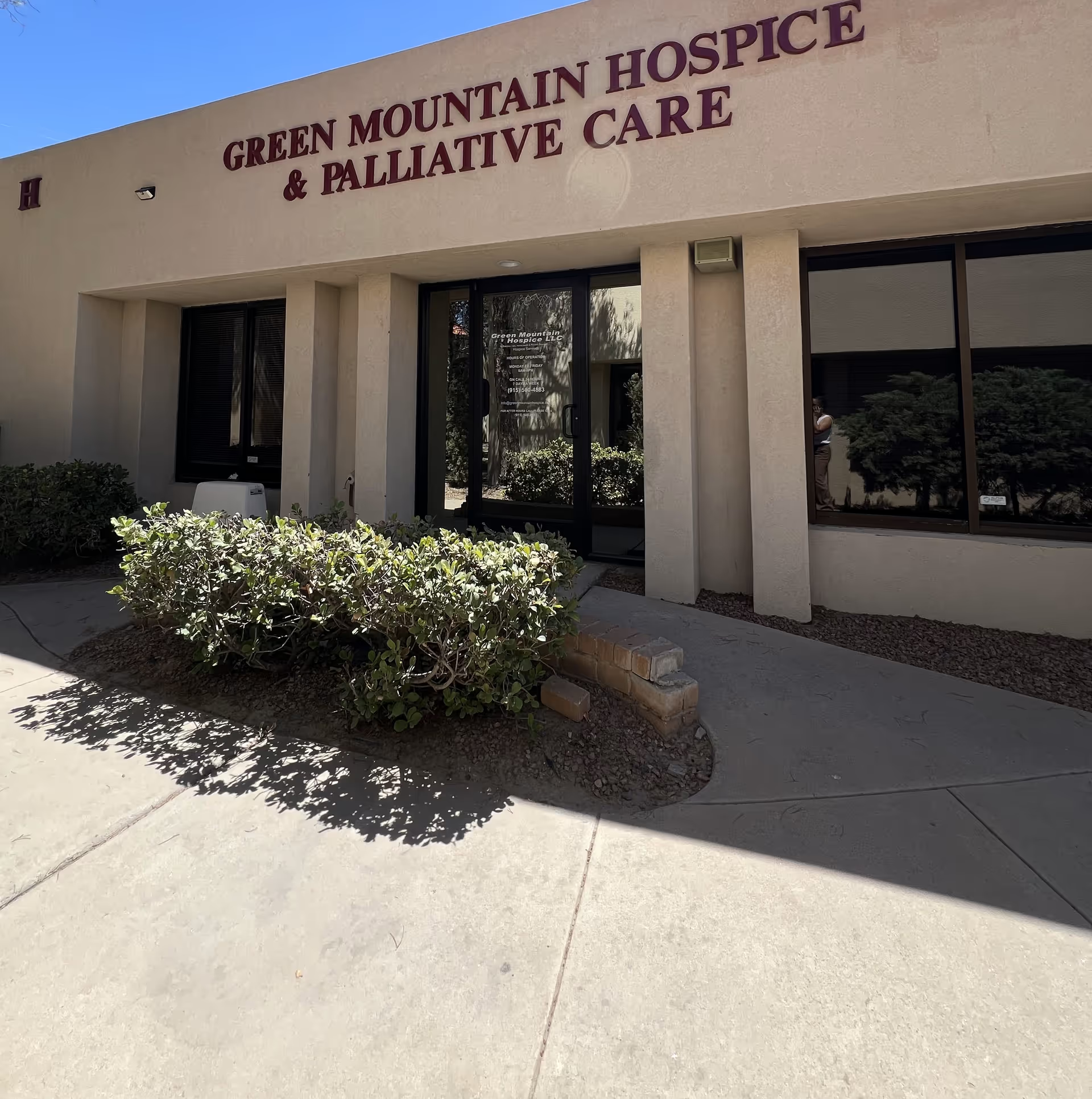
Reviews indicate a clear split between the quality of individual caregivers and the agency's administrative performance. Several reviewers praised caregivers for compassion, attentiveness, and strong one-on-one care; an individual caregiver was described as outstanding, which suggests the agency can recruit and retain high-quality direct-care staff. Those positive accounts emphasize respectful, client-focused interaction and dependable bedside skills when caregivers are present and engaged.
At the agency level, weaknesses concentrate in scheduling, communication, and coordination. Multiple summaries describe missed calls, no-shows, and promised hours that were not delivered, which points to unreliable shift coverage and inconsistent fulfillment of scheduled hours. Families also noted delays and miscommunication around supervision and care visits, indicating shortcomings in case coordination and in how the office communicates changes or expectations to clients and caregivers.
Caregiver conduct and engagement were described as variable. While some caregivers were praised, others were characterized as unprofessional or idle for extended periods during assigned shifts; this pattern suggests gaps in supervision, training, or shift-monitoring rather than a uniform staffing problem. Inefficient use of caregiver time — periods when aides were present but not actively engaged in assigned tasks — was raised as a concern and can reduce perceived value of services.
Coordination with ancillary services also appears uneven. One note about a client declining in-home therapy amid supervisory delays suggests the agency could improve how it integrates external clinical services and communicates next steps to families. Taken together, the pattern is one of capable direct-care staff undermined at times by administrative and operational weaknesses.
For prospective clients and families: expect that individual caregivers may provide compassionate, attentive care, but verify scheduling and hours in writing, ask for clear points of contact, and confirm how supervision and external therapy referrals will be coordinated. From an operational standpoint, improvements that would address the most common complaints include stronger shift-tracking, clearer office-to-family communication protocols, and more consistent supervision and training to reduce variability in caregiver engagement and professionalism.