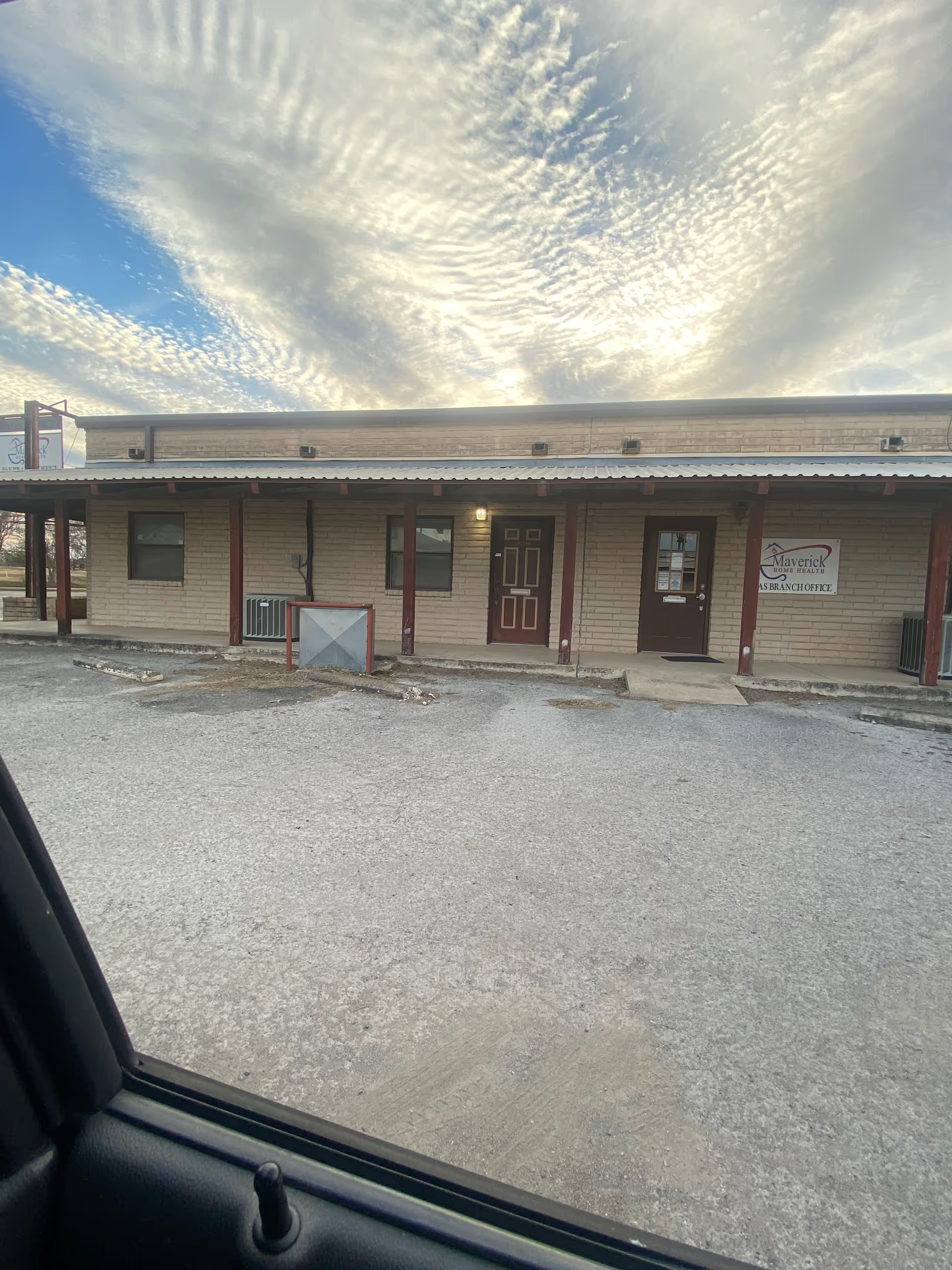
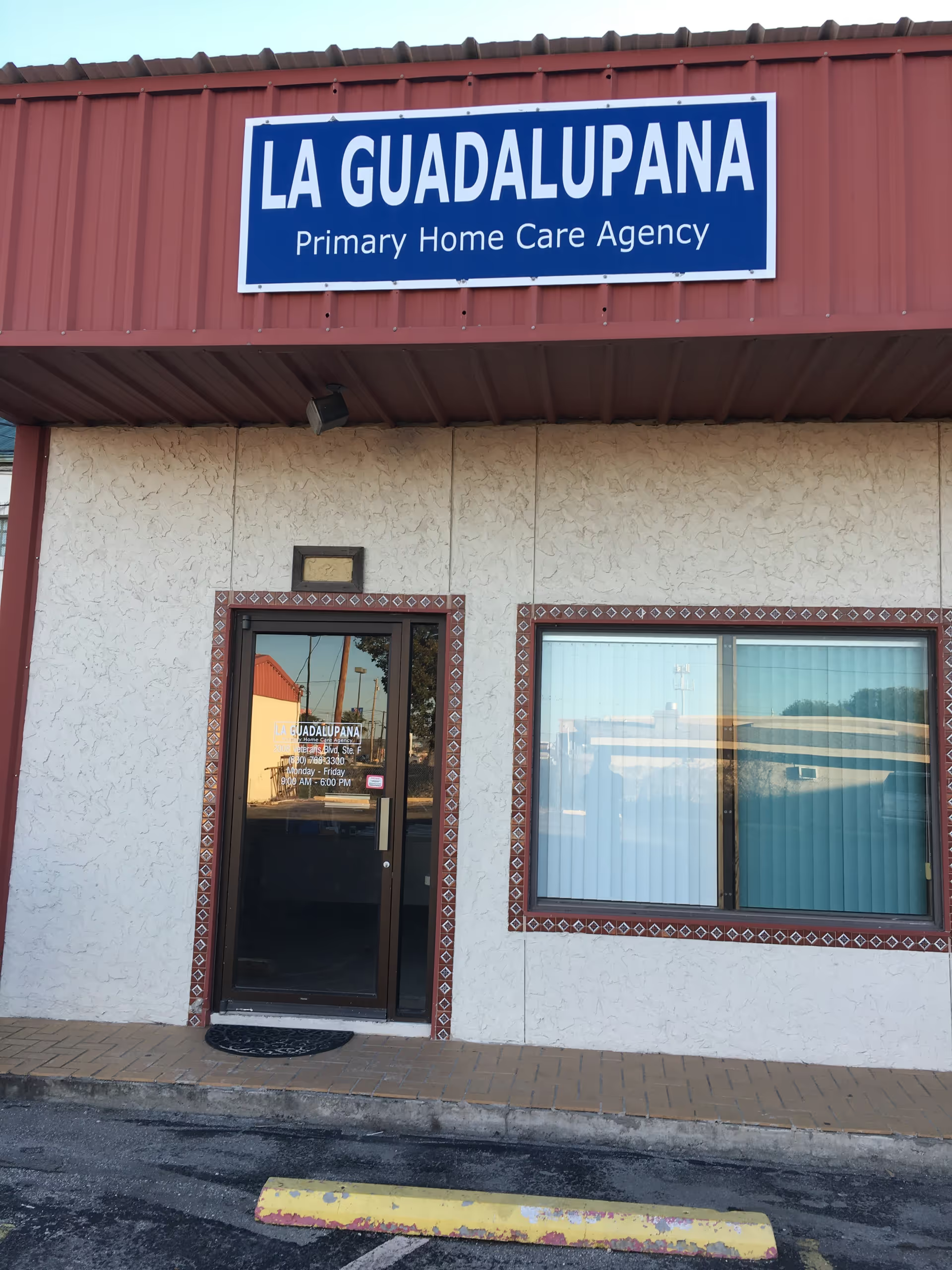
Overall impression: Reviews present a mixed picture in which direct-care staff frequently receive praise for their interpersonal skills and some clinical tasks, while the agency's administrative and operational systems are described as inconsistent. Families reported positive experiences with individual caregivers and clinicians, but also identified recurring service-delivery gaps that reduce overall reliability and confidence.
Caregiver quality: Several reviewers praised caregivers as empathetic, supportive, and straightforward in their communication; specific mentions include timely wound care and emotionally supportive aides who contributed to both physical and mental well-being. Physical therapists were described as effective and helpful when they attended, and individual clinicians (by name in one case) were singled out for strong performance. These comments suggest that the agency is able to recruit or assign clinically capable, compassionate frontline staff.
Office communication and responsiveness: A prominent pattern concerns the agency's office responsiveness. Multiple reviews describe slow callbacks, unanswered phones, and general difficulty reaching administrative staff. This gap in communication appears to affect families' ability to get timely answers to questions and to coordinate care, creating stress even when frontline caregivers are competent.
Reliability and scheduling: A consistent operational issue is unreliable shift coverage and therapy scheduling. Reviewers noted delayed start times, long coverage gaps, and inconsistent PT visit frequency. These scheduling failures undermine the continuity of care; when clinical staff are present they may deliver high-quality services, but the frequency and predictability of those visits are described as uneven.
Clinical-process and safety concerns: A subset of reviews raised concerns about medication/prescription handling and infection-control practices, including observable lapses in PPE use during transitions of care. These observations point to opportunities for the agency to reinforce clinical protocols, particularly around medication management and infection-prevention procedures.
Management and value: Reviewers describe a pattern of operational shortfalls—blame-shifting, lack of follow-through, and limited accountability—that magnify the impact of delayed responses and missed shifts. While some families felt peace of mind when competent caregivers were assigned, others judged the overall value as diminished by administrative unreliability. A few reviewers suggested escalating the matter to regulatory authorities, reflecting frustration with unresolved operational problems.
Guidance for prospective clients: For families considering this agency, weigh the demonstrated strengths of individual caregivers and clinicians against the documented administrative weaknesses. Ask the agency about contingency staffing plans, expected response times for calls, prescription-handling protocols, infection-control policies (including PPE use), and typical therapy-visit frequency. Confirming these operational details in advance may help align expectations and reduce the likelihood of service gaps.