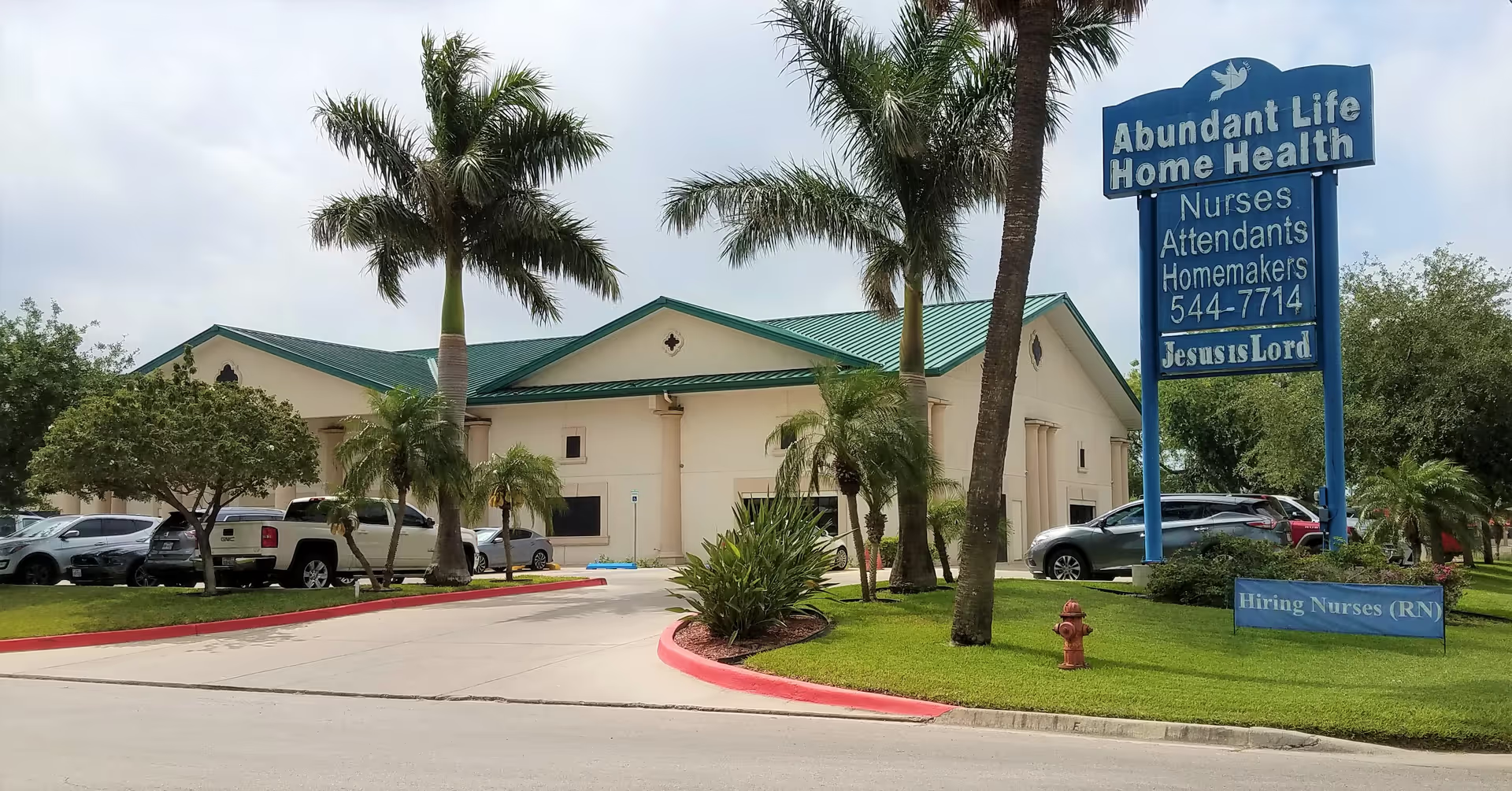
The reviews present a contrast between strong caregiving and weaknesses in operational coordination. Caregiver quality is described positively: reviewers emphasize competent, attentive aides and office personnel who are caring and understanding. The agency is noted for providing emotional support during bereavement, and families described meaningful, supportive interactions with caregivers and staff.
At the same time, the summaries identify clear weaknesses in communication and scheduling processes. While front-line staff are characterized as empathetic, the agency appears to struggle with confirming and executing scheduled shifts. These issues point to coordination problems between scheduling, dispatch, and in-home care teams rather than deficiencies in individual caregiver skill or bedside conduct.
Reliability of shifts is the most prominent operational concern. Examples of no caregiver being dispatched, hours left uncovered, and scheduling failures indicate gaps in schedule management, insufficient contingency planning, or limited on-call coverage. For clients with time-sensitive or continuous-coverage needs, these patterns suggest the agency may not consistently meet expected hours without additional safeguards.
There is limited information in the summaries about billing or overall cost-value tradeoffs. Given the combination of high-quality caregivers but inconsistent coverage, perceived value will depend on how much a family prioritizes relationship-based caregiving versus guaranteed, punctual shift coverage.
Notable pattern: the agency appears to deliver compassionate, effective in-home care when caregivers are present, but operational reliability and scheduling require improvement. Prospective clients and their families should confirm written schedules, ask about backup-staff procedures and shift-confirmation protocols, identify a clear point of contact for missed shifts, and seek explicit assurances about how the agency handles uncovered hours before committing to services.