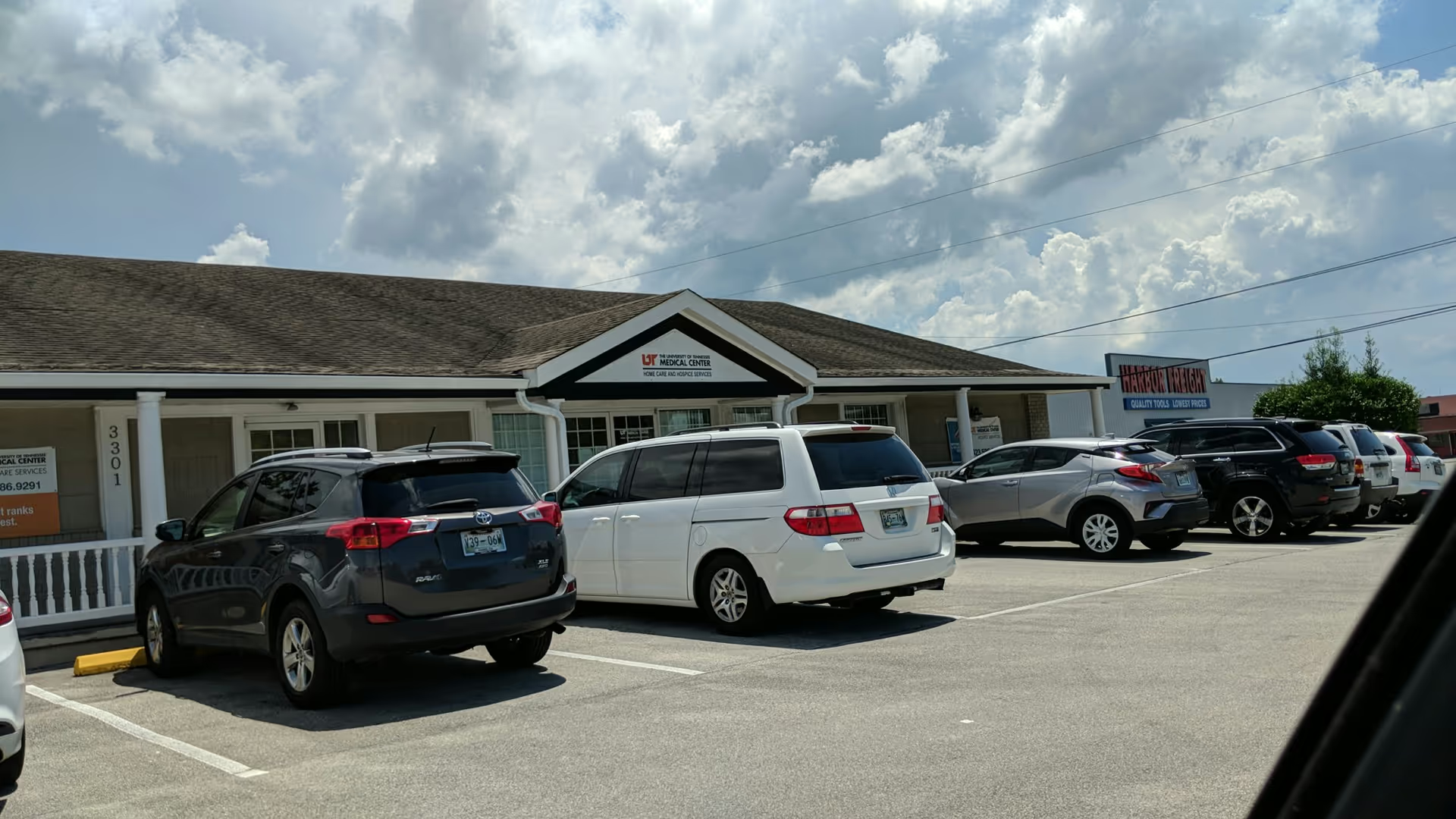
Reviewer feedback describes a clear split between clinical strengths and operational weaknesses. Many families praised the agency's clinicians — particularly nurses and therapists — for clinical skill, compassion, and thorough care planning. Individual staff members were singled out for dependable, attentive service and strong therapeutic outcomes; these accounts portray clinicians who listen, explain care plans, and provide hands-on support during acute needs.
At the same time, a number of operational patterns undermined the overall consumer experience. Reliability of shift coverage and punctuality were frequent concerns: reviewers describe late arrivals, missed shifts, extended delays in securing caregiver coverage, and occasional multi-day gaps in assistance. Several families also cited inconsistent scheduling notice and slow placement when additional hours were needed.
Office communication and documentation emerged as another recurring theme. Reviewers described difficulty getting timely responses from the office, inconsistent follow-up, and problems with clinical charting and timesheet accuracy. Those documentation gaps had tangible consequences in at least one case (missing wound measurements affecting insurance authorization). Billing transparency and timesheet accuracy were raised as value concerns by multiple reviewers.
There are also management and safety-related issues to consider. Some families reported variability in caregiver professionalism and conduct, and a small number of incidents flagged more serious safety or property concerns; these were described as isolated but meaningful. Discharge and care-transition processes were described as abrupt in a few cases, indicating potential weaknesses in coordination when services end or change. Supply coordination and clinical oversight (for example, wound measurement practices and catheter management) were other areas noted as requiring stronger agency systems.
Taken together, the pattern suggests the agency can deliver high-quality clinical care through experienced clinicians, but prospective clients should weigh that capability against uneven operational reliability and management consistency. Families considering this provider may want to ask targeted questions before enrolling: how the agency ensures consistent caregiver assignments and backup coverage, what their communication and escalation pathways are, how they verify timesheet and billing accuracy, how clinical documentation (including wound measurements) is audited, and what steps are taken to prevent and respond to conduct or property incidents. These checks can help preserve the clinical strengths while mitigating the operational risks described by reviewers.