
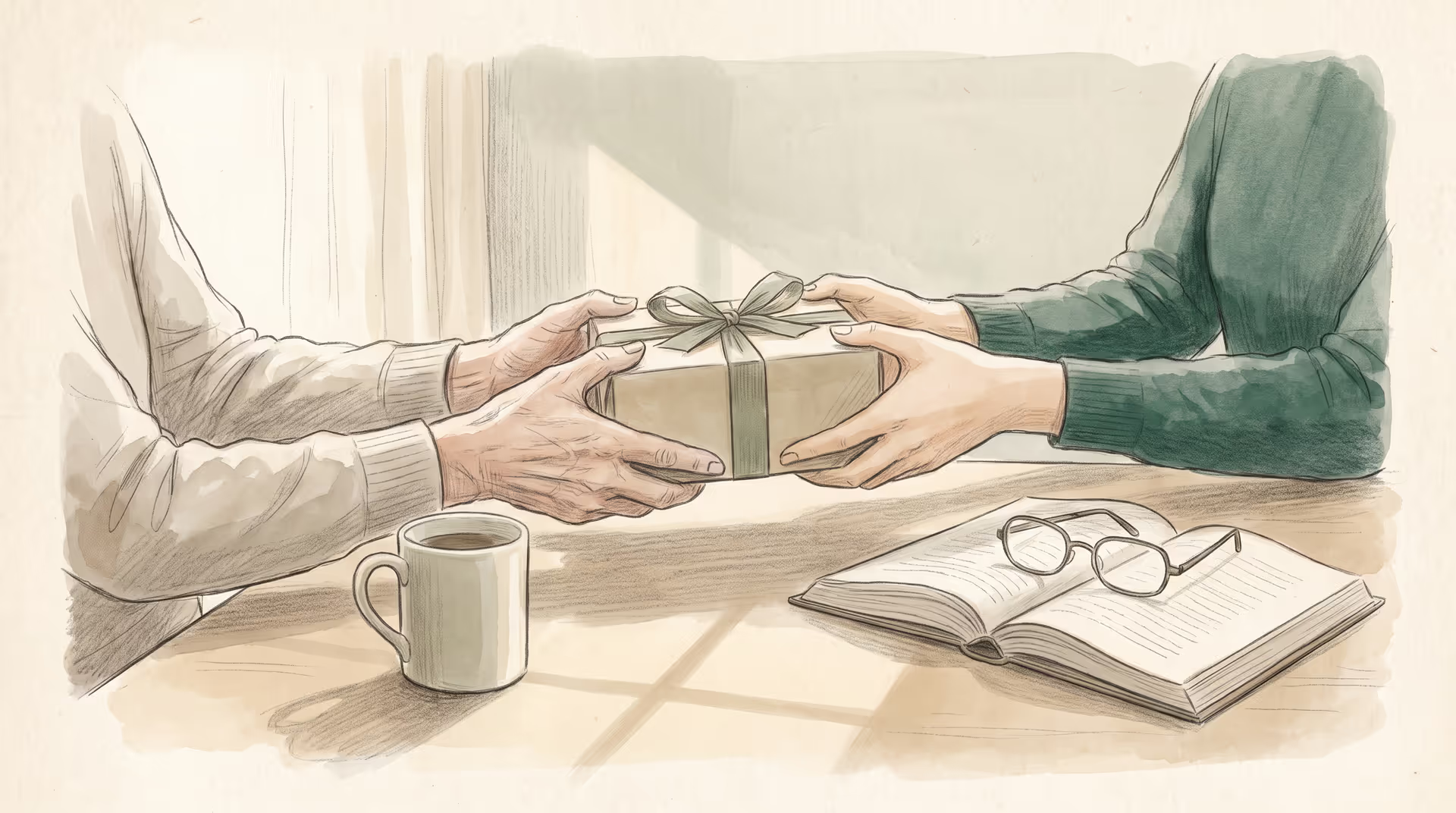
The holidays can be wonderful and also confusing when someone you love has Alzheimer’s or another dementia. The right gift can bring comfort, calm, or a spark of joy. The wrong gift can be unused or cause frustration. This guide gives simple, practical ideas you can use no matter the stage of the disease. It also covers caregiver gifts and safety tips to keep the season peaceful.
Why the stage of dementia matters
Dementia affects thinking, memory, mood, and daily skills. A gift that fits one stage may not work in another. Think about what your loved one can still do and what brings them comfort now. Keep things simple, familiar, and safe.
Gifts for early-stage dementia
In early stages, people often want to stay independent and active. Gifts that support memory, mobility, and social life work well.
- Memory aids: Post-it notes, an erasable whiteboard, or labeled baskets and trays to help find things.
- Photo memory calendar: Use family photos on a wall calendar. Mark birthdays and special days.
- Digital photo frame: Upload familiar faces and update it remotely if you can.
- Ride-share or activity gift cards: Help them stay active with rides to appointments, a movie, or a favorite restaurant.
- GPS tracker or safe-alert device: Small bracelets or watches can ease worries about wandering.
- Large-print books or magazines: If they still enjoy reading, make it easier with larger text.
- Simple tech set-up: A preloaded music playlist or a tablet with favorite apps, set up for them to use.
Gifts for middle-stage dementia
Middle stage often brings more memory gaps and trouble with complex tasks. Choose gifts that comfort, encourage interaction, and reduce stress.
- Personalized music player or playlists: Music from their younger years can soothe and spark memories.
- Comfortable, easy clothes: Slip-on shoes, Velcro closures, non-slip socks, and soft robes.
- Framed photos or a labeled photo collage: Put names and relationships on the pictures.
- Activity and sensory items: Simple activity books, large-piece puzzles, or a desktop Zen garden.
- Adaptive dining tools: No-spill cups, plate guards, and utensils with large handles can help during meals.
- Large digital clock or day clock: Shows time, day, and date clearly to reduce confusion.
- Visitor’s journal: Guests write short notes and dates so your loved one can see who visited.
Gifts for late-stage dementia
In late stages, comfort and connection matter most. Choose items that are soothing and safe.
- Familiar-sounding robotic pets or soft stuffed animals: These can reduce stress and loneliness for some people.
- Weighted or sensory blankets: These provide gentle pressure and calming texture.
- Sensory or fidget quilts: Textures, zippers, and buttons sewn into a lap quilt can keep hands busy.
- Life story or memory book: A simple book with photos and a few captions can be used during visits.
- Music player with headphones or speakers: Gentle, familiar songs can lift mood even when other skills are gone.
- Short, pre-recorded messages from family: Playable messages can comfort during difficult moments.
Gifts for the caregiver
The best gift for a caregiver is often time and help. Caregivers carry a heavy load. Practical gifts can lower stress and give needed relief.
- Coupons for chores: Offer to clean, cook, grocery shop, or mow the lawn.
- Meal delivery or restaurant gift cards: Easy meals save time on busy days.
- Housecleaning, laundry, or yard service gift cards.
- A respite care voucher: If possible, pay for a few hours of professional care so the caregiver can rest.
- Gift cards for pampering: A massage, haircut, or local spa visit can boost well-being.
- Tech support: Help set up devices that make care easier, like a tablet for video calls or a smart speaker for reminders.
How to give gifts so they are helpful
Presentation matters as much as the gift. A few tips will increase the chance the gift is used and enjoyed.
- Keep it simple. Fewer buttons, bigger labels, and clear instructions work best.
- Set up tech ahead of time. Preload playlists, pair devices, and place the device where it will be used.
- Label items with the person’s name and room number if they are in a memory care community. Things get misplaced.
- Avoid small parts and choking hazards. Check for allergies before giving scented items.
- Match the gift to their current routine. A gift that fits into daily life is more likely to be used.
- Consider shared gifts. Some items, like a framed photo or a life story book, are best used together during visits.
Safety and dignity
Safety is essential. Avoid gifts that require fine motor skills if those are gone. Keep cords for chargers and speakers out of reach. Make sure clothing and footwear reduce fall risk. If you give food, check diets and choking risk. Above all, choose gifts that preserve dignity and respect the person’s needs.
The best gift
At the center of all this is connection. Time, a steady presence, and simple shared activities often mean more than any object. A short visit, a recorded message, a playlist you sit and listen to together, or an offer to take over a task can be the most meaningful present of all.
If you’re unsure, ask the caregiving team for ideas. They see daily needs and can suggest what will help most. When you match the gift to the person’s stage, habits, and safety needs, the holidays can feel calmer and brighter for everyone.
