
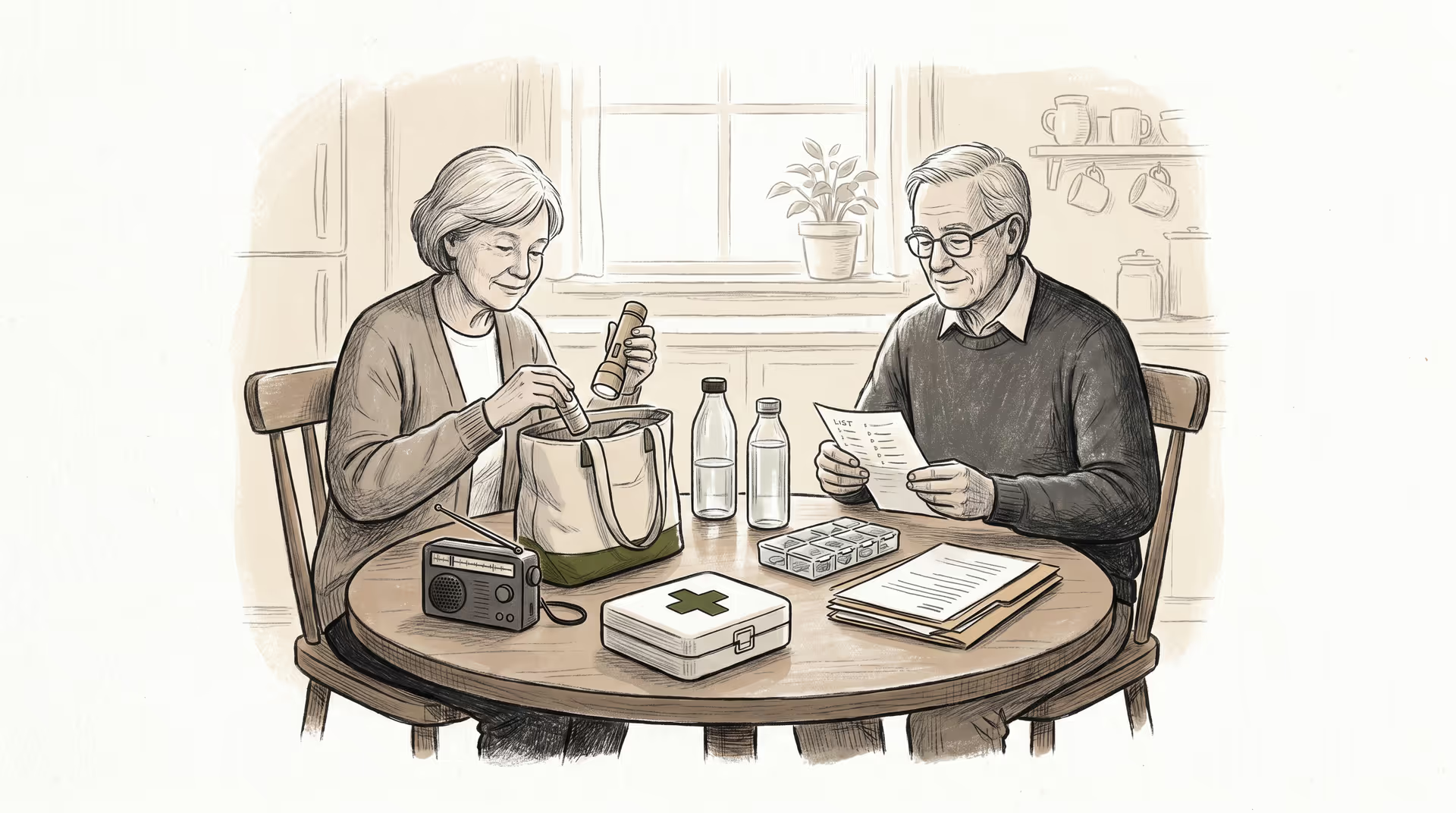
When a wildfire, hurricane, ice storm, or extended power outage arrives, the first hours matter most. For older adults, especially those who take daily medications, rely on medical equipment, or have limited mobility, those hours can be the difference between a manageable inconvenience and a genuine crisis. The good news is that preparedness is mostly about doing a few unglamorous things before anything happens: assembling supplies, writing down information, and lining up people who will check on you.
This guide walks through a practical, no-panic plan for seniors and the families who love them. It is built around the same five fundamentals that Ready.gov, the National Institute on Aging, and the American Red Cross emphasize (assess, supply, plan medical needs, protect documents, and stay connected), plus a copy-ready emergency kit checklist you can print and work through this weekend.
Start by Assessing Your Specific Risks
Generic advice helps less than a plan tuned to your actual life. Begin with two questions: What disasters are most likely where I live? And what would I personally need to manage one?
Someone in coastal Florida prepares for hurricanes and evacuation, while a Minnesotan plans for prolonged cold and power loss. In California, the threats are wildfire and earthquakes. Layer your personal circumstances on top: Do you use oxygen, a CPAP, an electric wheelchair, or a stairlift that depends on power? Do you live alone? Could you walk down several flights of stairs if the elevator failed?
Write the answers down. This short self-assessment becomes the backbone of every other decision: what to pack, who to call, and how quickly you'd need to leave. The federal Ready.gov older adults guide offers a structured way to work through this step.
Build Your Emergency Kit
Ready.gov recommends keeping enough supplies to be self-sufficient for at least three days, with two weeks considered ideal for those who shelter in place. Store everything in a sturdy, easy-to-carry container near an exit, and keep a smaller "go bag" ready if you may need to evacuate quickly.
This senior-specific checklist goes beyond the standard kit; print it and check off each item:
| Category | Items to pack | Notes |
|---|---|---|
| Water & food | 1 gallon of water per person per day (3-day minimum); non-perishable, easy-to-open food | Include soft foods if chewing is difficult |
| Medications | At least a 7 to 30 day supply; a written medication list | Rotate every few months so nothing expires |
| Medical supplies | Spare glasses, hearing-aid batteries, extra catheters/ostomy/diabetic supplies | Label everything clearly |
| Mobility & assistive | Spare cane, lightweight manual wheelchair, backup oxygen if prescribed | Tag equipment with your name and needs |
| Power | Flashlight, extra batteries, portable phone charger/power bank | A small battery backup for medical devices |
| Communication | Battery or hand-crank radio (NOAA Weather Radio), written contact list | Don't rely on a charged phone alone |
| Documents | Copies of ID, insurance, Medicare card, medication list (in a waterproof bag) | See the documents section below |
| Comfort & hygiene | Blanket, sturdy shoes, wipes, hand sanitizer, any incontinence supplies | A few days of comfort matters |
| Pets | Food, water, leash, carrier, vaccination records for pets or service animals | Most shelters require proof of vaccination |
For a printable federal version, the Ready.gov basic disaster supplies kit and the National Institute on Aging's emergency kit essentials are both good starting points.
Plan for Medications, Devices, and Power
This is where preparedness for older adults differs most from general advice. A few targeted steps:
- Keep a current medication list with names, dosages, the prescribing doctor, and the pharmacy. Carry one copy in your kit and store another in your phone.
- Ask your pharmacist about an emergency supply. Many will fill an extra refill ahead of a known storm, and some states relax refill rules during declared emergencies.
- Plan for refrigerated medications like insulin; a small cooler and ice packs can buy you crucial hours.
- Register power-dependent equipment. If you use oxygen, dialysis, or other electrically powered medical devices, contact your utility company in advance. Many keep a "medical baseline" or priority-restoration list, and your local emergency management office may track residents who need power. The Ready.gov guidance on power outages covers backup-power options and food/medication safety.
Protect Your Important Documents
In an evacuation you may not be able to return home for days or weeks. Keep copies (paper in a waterproof, fireproof container and a digital backup: a password-protected cloud folder or an encrypted USB drive) of:
- Photo ID, passport, and birth certificate
- Medicare/Medicaid and health-insurance cards
- A current medication and allergy list
- Insurance policies, deeds, and titles
- Bank and benefit account information
- Advance directives, power of attorney, and your physician's contact information
If you receive Social Security or other benefits, consider switching to electronic payments so a disaster can't interrupt the check in your mailbox.
Build a Personal Support Network
No kit replaces people. The American Red Cross recommends that older adults line up a personal support network of at least three trusted family members, friends, or neighbors who agree, in advance, to check on you in an emergency. Give each of them a copy of your plan, a spare key if appropriate, and a clear list of how they can help, whether that's a ride to a shelter, help carrying your kit, or simply a phone call to confirm you're safe.
If your relatives live far away, designate an out-of-town contact everyone calls to relay messages; long-distance lines often work when local ones are jammed. (Our guide to long-distance caregiving has more on coordinating care from afar, and our piece on social connection in older adults explains why staying connected matters every day, not just in a crisis.)
Make an Evacuation and Communication Plan
Decide now how you would leave and where you would go. Identify two ways out of your home and your neighborhood, arrange transportation if you don't drive, and pick a meeting place. Keep your gas tank at least half full during high-risk seasons. Sign up for your community's emergency alert system, and keep a battery or hand-crank radio so you can get information even when the power and cell networks are down.
If you live in a senior living community, ask the staff to walk you through their evacuation and shelter-in-place procedures, where residents gather, and how they notify families. A community with a clear, rehearsed plan is one of the quiet advantages of congregate care.
The Mirador Take
Emergency preparedness is a more urgent version of the planning that makes aging in place (or moving to senior living) work well: knowing your needs, organizing your information, and building a circle of people you can count on. The home-safety habits in our guide to home modifications for aging in place and the readiness mindset in first aid for seniors overlap almost entirely with disaster prep. Do the work once, calmly, and you'll be ready whether the emergency is a storm or simply a hard day.
Frequently Asked Questions
How much medication should I keep on hand for an emergency? Aim for at least a 7-day supply in your kit, and a 30-day supply if you can manage it. Keep a written list of every medication and dose, and ask your pharmacist whether you can get an early refill before an expected storm.
What should a senior's emergency kit include that a standard kit doesn't? Beyond water, food, and a flashlight, add spare glasses and hearing-aid batteries, extra mobility aids, backup power for medical devices, copies of your Medicare and insurance cards, and supplies for any pets or service animals.
Who should be in my personal support network? At least three people who live nearby and have agreed in advance to check on you: neighbors, friends, or family. Give each a copy of your plan, and designate one out-of-town contact everyone can call to share updates.
What if I rely on powered medical equipment? Contact your utility company about priority-restoration or medical-baseline programs, register with your local emergency management office, and have a backup power plan (a charged battery bank or a plan to relocate) for any device you can't go without.
Where can I find official, free preparedness resources? Ready.gov's older adults page, the National Institute on Aging's disaster preparedness guide, and the American Red Cross older adults guide are all free and trustworthy. The SAMHSA Disaster Distress Helpline offers 24/7 emotional support after a disaster.
