
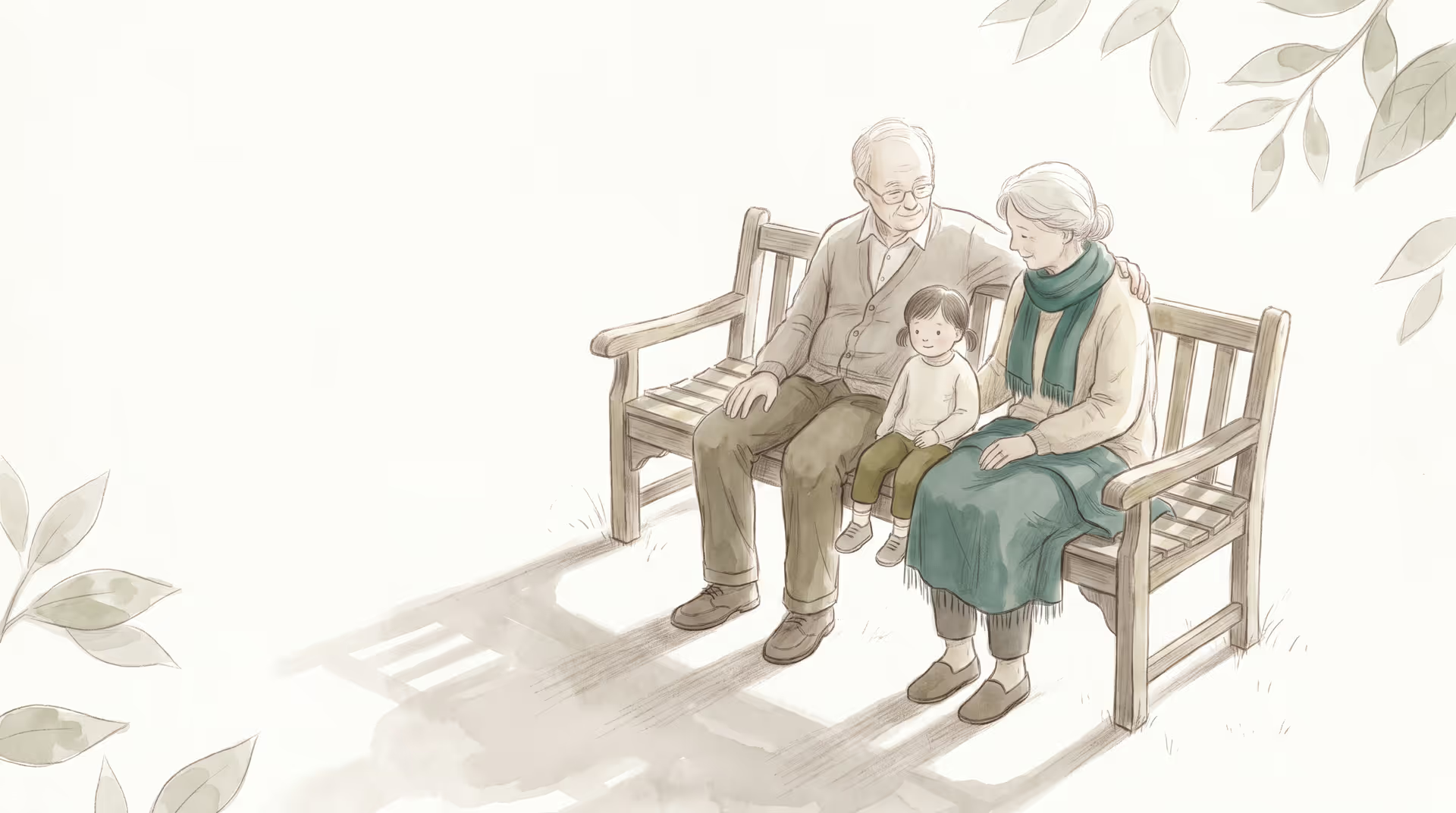
Grandparents Day is a chance to honor the people who helped raise us. It is also a good moment to connect, thank, and make memories. If you are arranging in‑home care for a parent, the day can be simple and meaningful. This guide helps you plan a celebration that fits your loved one’s needs and care routine.
When is Grandparents Day?
Grandparents Day falls on different dates around the world. In the United States it is observed on the Sunday after Labor Day. Other countries pick other days. For example, some celebrate in July, October, or even in March. The Vatican now also marks a World Day for Grandparents and the Elderly on the fourth Sunday in July, a recent observance started by Pope Francis in 2021.
Because the date varies, many families choose a convenient day close to the official observance. The goal is connection, not the exact calendar date.
A short history
The idea of a day to honor grandparents has roots in several places. Different countries introduced their own versions over time. In the U.S., efforts to start a national day grew in the 1960s and 1970s and led to a presidential proclamation in the 1970s recognizing the day. Other countries and organizations later adopted their own dates and traditions.
Generations United and similar groups now promote Grandparents Day activities and ideas. They encourage families and communities to use the day to build ties across generations.
Why celebrate, even when care is involved
A small celebration can have big benefits.
- It names the role grandparents play in a family.
- It strengthens family memory by sharing stories and photos.
- It shows appreciation for help they give, whether emotional or practical.
- For older adults, visits and attention can improve mood and reduce isolation.
- For grandchildren, time with grandparents builds identity and family ties.
If your parent receives in‑home care, a short, planned visit can often do more good than a long, tiring event.
Ideas that fit in‑home care
Use activities that match your parent’s energy, mobility, and care plan. Share the plan with the caregiver so everyone is comfortable.
- Look through photos and tell stories. Bring printed photos or use a tablet. Family stories are powerful and low effort.
- Read together. Pick a short chapter, a poem, or a favorite newspaper column. Caregivers can help with positioning and hearing needs.
- Make or bring a simple craft. A hand‑drawn card or a decorated frame with a family photo is easy to do and meaningful to keep.
- Cook or bake a small recipe together. If cooking isn’t possible, bring their favorite prepared treat. Check diet or swallowing precautions with the care team first.
- Take a short supervised walk. Fresh air and a brief stroll can lift spirits. Work with the caregiver to plan a safe route and needed equipment.
- Host a virtual family visit. If family lives far away, schedule a video call so grandchildren can sing, show art, or say hello.
- Give a practical, thoughtful gift. A digital photo frame preloaded with family pictures, a cozy blanket, a labeled robe, or a simple tablet set up for video calls can be useful and appreciated.
- Involve the caregiver. Ask the aide to join for a few minutes. They can help with mobility, hearing devices, or camera setup.
Generations United suggests many simple activities like reading, walks, shared meals, and crafts. These ideas work well at home and can be adapted to any energy level.
Tech and gifts that make daily life easier
If you want a gift that helps every day, consider useful tech and thoughtful items. Here are safe, practical options:
- Digital photo frame that family can update remotely.
- A smart speaker (set up for simple voice commands) to play music, set reminders, or make hands‑free calls.
- Monogrammed robe, warm throw, or personalized mug for daily comfort.
- Simple fitness tracker or fall-detection device—check with medical providers before choosing.
- A robotic vacuum or other home gadgets to reduce chores, if appropriate.
If you choose tech, spend time setting it up and writing simple instructions. A short training session for your parent and the caregiver helps the device get used.
Celebrating when dementia or low energy is part of care
If your parent has dementia, fatigue, or limited mobility, keep the plans gentle and predictable.
- Use familiar music, songs, or hymns. Music can open memories and calm anxiety.
- Show old photos slowly. Name people and places. One or two pictures are fine.
- Offer hand massage with lotion or a sensory box with comforting items (a soft scarf, a familiar scent).
- Keep visits short and frequent. Two 15‑minute visits can be better than one long one.
- Let caregivers guide timing. They know when your parent is most alert and comfortable.
The aim is comfort and connection, not performance. Small moments count.
Make it a starting point, not a single day
Grandparents Day can be a trigger for ongoing connection. After the celebration:
- Set up a regular call schedule with grandchildren.
- Upload new photos to a digital frame each month.
- Plan one small shared activity every few weeks—reading, a phone story, or a short outing.
- Keep caregivers in the loop. A quick note after visits helps them support ongoing routines.
A single day of thanks can grow into regular moments that help your parent feel loved and remembered.
Final thoughts
You don’t need a big party to honor your parent. A short visit, a photo album, or a favorite song can be enough. Coordinate with the in‑home care team, keep things simple, and choose what matches your loved one’s energy and health needs. That care and thoughtfulness will make Grandparents Day truly meaningful.
