
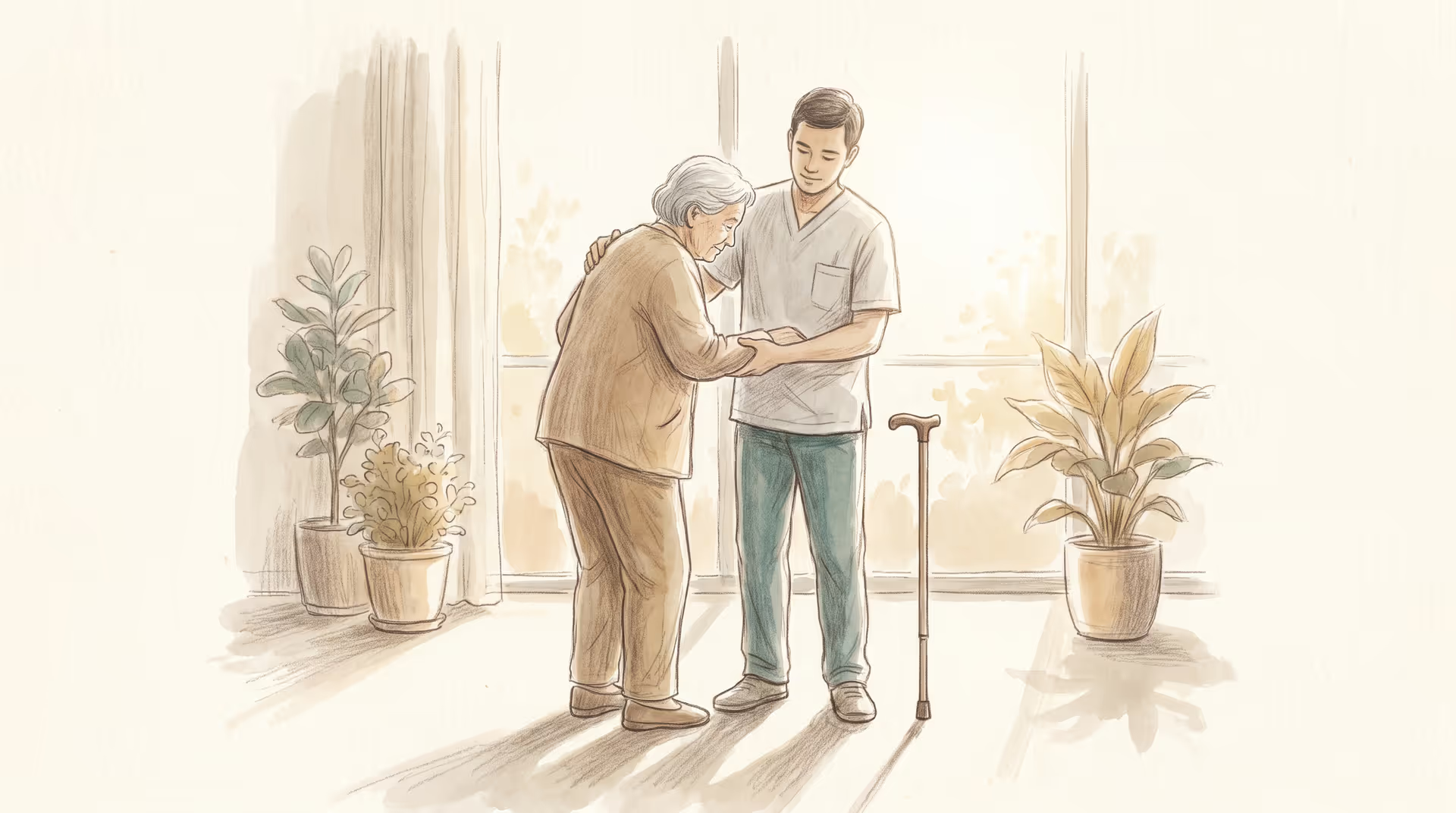
Aging brings change. For many families, staying at home and staying independent are top priorities. Physical therapy can help your parent move better, reduce pain, and lower the risk of falls. This article explains what physical therapists do, why therapy matters for healthy aging, and how to bring PT into your parent’s home care plan.
What physical therapy can do for older adults
Physical therapists are trained in movement and exercise. They do more than treat injuries. For older adults, PT can:
- Improve strength and balance. Stronger muscles and better balance make daily tasks easier.
- Increase flexibility and range of motion. This helps with bending, reaching, and walking.
- Reduce chronic pain without relying only on medicines. Therapists use hands-on care, stretching, and exercises.
- Help recover after surgery or a hospital stay. Therapy supports a safer return home.
- Lower the risk of falls. Targeted balance and strength programs make a real difference.
- Support heart and brain health. Regular physical activity helps cardiovascular fitness and can protect thinking skills.
These benefits come from tailored exercise, testing, and education. Physical therapists adjust plans for health conditions like arthritis, diabetes, or heart disease.
How PT helps prevent falls
Falls are one of the biggest concerns for older adults. Physical therapists screen for fall risk and work to reduce it. They use simple tests to check mobility, such as usual walking speed, the timed up-and-go (TUG), and the 30-second chair stand. These tests show where your parent may need help.
Therapists also give home-based programs that focus on strength and balance. One well-studied option is the Otago Exercise Program. It is a home-strength and balance plan that therapists can teach and adapt. Research shows programs like Otago can significantly lower fall risk. Because therapists are trained to work with people who have other health issues, they can safely adapt exercises to each person’s abilities.
How PT can manage pain and keep your parent independent
Many older adults live with long-term pain from conditions such as arthritis or back problems. Physical therapy offers non-drug ways to ease pain. That includes manual therapy, movement, and specific exercises that improve joint function.
Therapists also focus on function. They help people get stronger for everyday tasks—getting in and out of chairs, climbing stairs, or walking to the mailbox. Keeping those skills makes it easier to stay at home and reduces the need for extra help.
Geriatric clinical specialists are physical therapists with extra training in older adult care. They know the common issues seniors face and can offer more targeted plans. They can also advise on equipment, home layout, and safety changes.
What to expect from in‑home physical therapy
If you arrange home PT for your parent, a therapist will usually:
- Do a full movement assessment. They’ll watch walking, balance, posture, and functional tasks.
- Check strength, flexibility, and pain. They may use simple tests like gait speed or chair stands.
- Make a personalized plan. This includes exercises, goals, and a schedule.
- Teach exercises and show how to do them safely at home.
- Suggest home changes and equipment to reduce risks.
- Track progress and adjust the plan over time.
In-home therapy is especially useful for people who have trouble traveling or who recently left the hospital. Therapists can see real-life challenges in the home and tailor the program to those needs.
When to consider physical therapy for your parent
Think about calling a physical therapist if your parent:
- Has had a fall or near-fall.
- Seems slower when walking or needs help getting up from a chair.
- Avoids activities because of fear of falling.
- Has chronic pain that limits daily life.
- Is recovering from surgery, illness, or a hospital stay.
- Has balance or coordination problems you notice.
Early referral can prevent bigger problems. PT is not only for after an injury. It can be a prevention tool that helps maintain independence.
How to choose the right physical therapist
Here are practical questions to ask when you look for a therapist:
- Do you make home visits?
- Do you have experience with older adults or a geriatric certification?
- Will you use common tests like gait speed, timed up-and-go, or 30-second chair stand?
- Do you teach home-based programs like the Otago Exercise Program?
- How do you set goals and measure progress?
- How will you communicate with family and other care providers?
A good therapist will listen, explain things simply, and train both your parent and the caregiver. They should make a plan that fits daily life and not just a list of exercises.
How family caregivers can help between visits
You can make therapy more effective by supporting your parent at home:
- Help them stick to the exercise plan. Short, regular practice is better than long, rare sessions.
- Remove trip hazards and improve lighting. Small home changes make a big difference.
- Attend a PT session when you can. Seeing the exercises helps you support them safely.
- Encourage small wins. Celebrate milestones, even if they seem minor.
- Keep the therapist updated about new health issues or medications.
Your role as a caregiver matters. A little support goes a long way toward better outcomes.
Final thoughts
Physical therapy is a practical step to help your parent move safer and live better at home. It can reduce pain, lower fall risk, and restore confidence. Talk with your parent’s doctor and then a licensed physical therapist who works with older adults. Even a short course of home-based PT can make daily life easier and help your parent keep their independence longer.
