
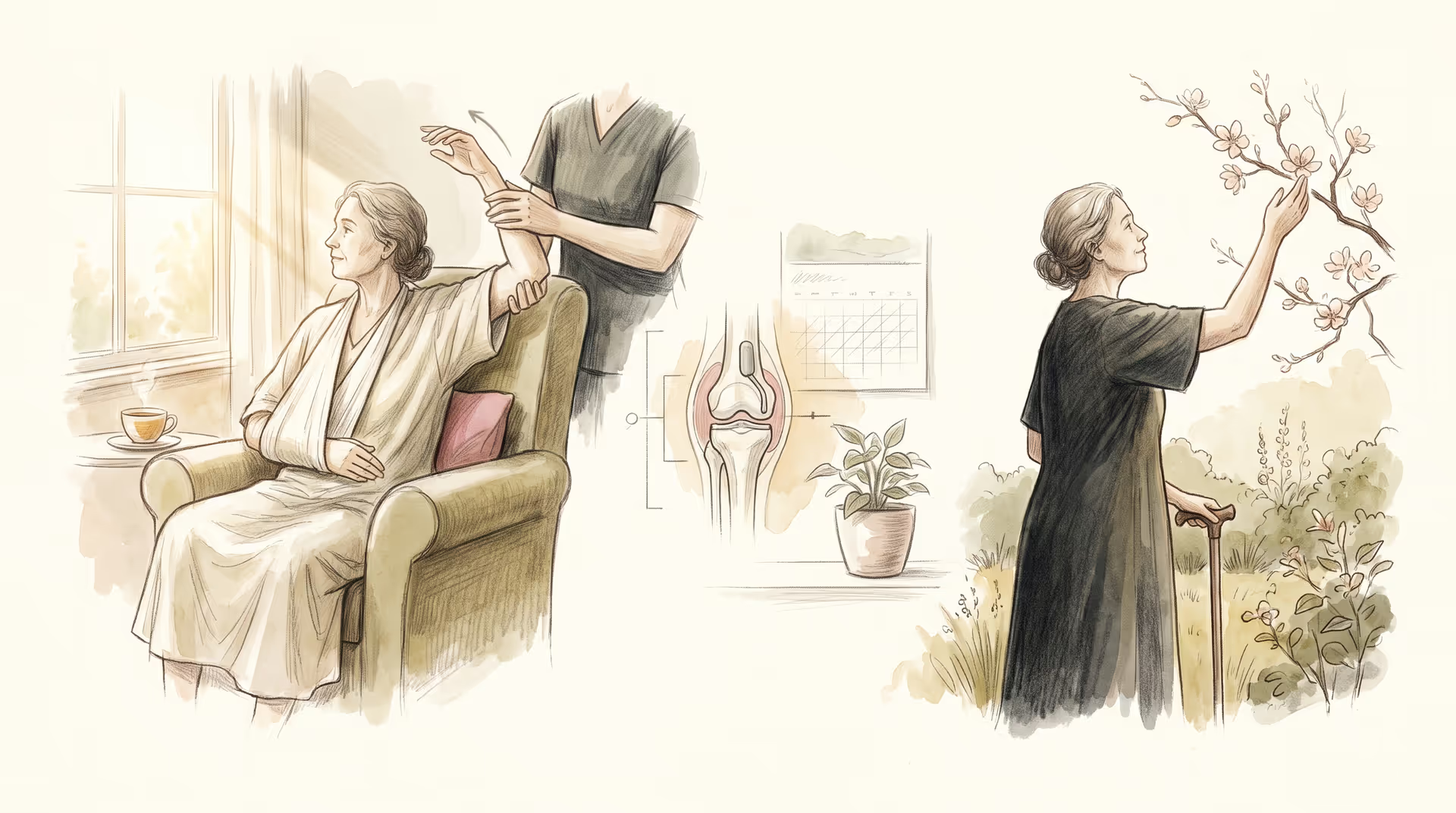
If your parent is having a shoulder replacement, you probably have questions about recovery. This guide explains the typical timeline, daily limits, pain control, therapy, and what you can do at home to help. The information here is based on current guidance from major hospitals and rehab centers.
Quick recovery timeline
- Right after surgery: Most people go to a recovery room. Some patients go home the same day. Others stay in the hospital one night or a little longer.
- First few days: The arm is in a sling. Care teams start gentle hand, wrist, and elbow movements right away. Many patients get a nerve block that reduces pain for 24–72 hours.
- Weeks 1–6: The shoulder is usually kept protected. Many surgeons recommend wearing a sling for about 4–6 weeks to allow soft tissues to heal. Gentle shoulder motion often starts in this period, usually first as passive movements done by a therapist or with help.
- Weeks 6–12: Patients typically increase active motion and begin gradual strengthening with physical therapy. Light daily tasks become easier.
- 3–6 months and beyond: Strength and function keep improving. Many people return to most normal activities by 3–6 months. Full recovery and maximum gains can take up to a year for some patients.
Individual recovery varies with age, overall health, and how extensive the surgery was.
Pain control and comfort
- Expect moderate pain after surgery. It is worst in the first few days and slowly eases.
- Pain care commonly includes a regional nerve block during surgery, prescription pain medicine for a short time, and scheduled acetaminophen. Using acetaminophen regularly can reduce the need for stronger pain pills. Icing the shoulder for 10–20 minutes several times a day helps with swelling and comfort.
- Follow the surgeon’s instructions about which over-the-counter medicines are safe. Some people also use cold therapy machines for swelling and pain control.
Physical therapy and exercises
- Therapy is a key part of recovery. Hospitals typically start very gentle motion within days for the hand, wrist, and elbow. Passive shoulder movements (where someone else moves the arm) usually begin early, then progress to active motion and strengthening.
- Your parent’s surgeon or therapist will give a specific plan. Stick to that plan. Doing the exercises as instructed helps prevent stiffness and speeds recovery.
- Not everyone needs formal outpatient therapy right away. Some patients are given an at-home program and follow up with a therapist as needed.
Daily activities and limits
- Sling use: The sling protects the repair. Your parent may wear it day and night for several weeks. It is normal to need help with dressing, bathing, and grooming at first.
- Lifting and chores: Avoid lifting with the affected arm for about 6 weeks. Many centers advise against heavy lifting and high-impact activities long term. Some surgeons set permanent weight limits. Ask the surgeon for specifics.
- Driving: Don’t drive until the surgeon says it’s safe. This depends on which arm had surgery, whether narcotic pain medicines are being used, and the patient’s reaction time.
- Sleep: Your parent should avoid sleeping on the operated shoulder. A small pillow under the elbow can keep the arm in a safe position and feel more comfortable.
Wound care and follow-up
- The incision will have a dressing and possibly stitches, staples, or skin glue. Your surgeon will tell you when to remove the dressing and when staples or stitches will be taken out. Some centers allow showering 24–48 hours after surgery; baths and swimming are usually delayed until the doctor says it’s okay.
- Keep the incision clean and dry as directed. Watch for increasing redness, warmth, drainage, or fever — these can be signs of infection.
- Follow-up visits are important. The surgeon checks healing, removes sutures if needed, and adjusts activity or therapy plans.
Signs of problems — when to call
Contact the surgeon or seek urgent care if your parent has:
- Increased pain that does not get better with medicine.
- New or worsening redness, swelling, pus, or fever.
- Numbness, increasing weakness, or changes in arm color or temperature.
- Shortness of breath or chest pain (possible blood clot).
- Sudden calf or leg swelling, pain, or redness (possible deep vein thrombosis).
Always call 911 for severe breathing trouble or sudden chest pain.
How to prepare the home and help as a caregiver
As an adult child arranging in-home care, you can make recovery safer and less stressful.
- Prepare the house: Clear walkways, remove throw rugs, and set up a chair or recliner with good arm support. Place commonly used items within easy reach at waist level.
- Bathroom safety: A shower seat, nonslip mat, and a hand-held shower head make bathing easier. Consider a long-handled sponge for washing.
- Meals and errands: Stock the freezer with ready meals. Arrange grocery delivery and help with meal prep for the first few weeks.
- Transportation: Plan rides to follow-up visits and therapy. Driving is often not allowed early on, especially if the dominant arm was operated on.
- Help with daily tasks: Be ready to assist with dressing (especially socks and shoes), getting in and out of bed, and household chores. Encourage the scheduled exercises, but don’t push. Respect the surgeon’s activity limits.
- Medication and wound checks: Help manage medications and watch the incision daily. Note any signs that need prompt reporting to the care team.
Final tips
Recovery from shoulder replacement takes time and patience. Progress may be slow at first, but sticking to the rehab plan, protecting the joint, and getting help at home can make a big difference. Keep clear notes of the surgeon’s activity rules, medication instructions, and follow-up schedule. If you’re arranging in-home care, look for caregivers who understand post-op limits and can support physical therapy goals.
If you have specific questions about your parent’s case, call their surgeon or care team. They give the best guidance for that person’s recovery needs.
