
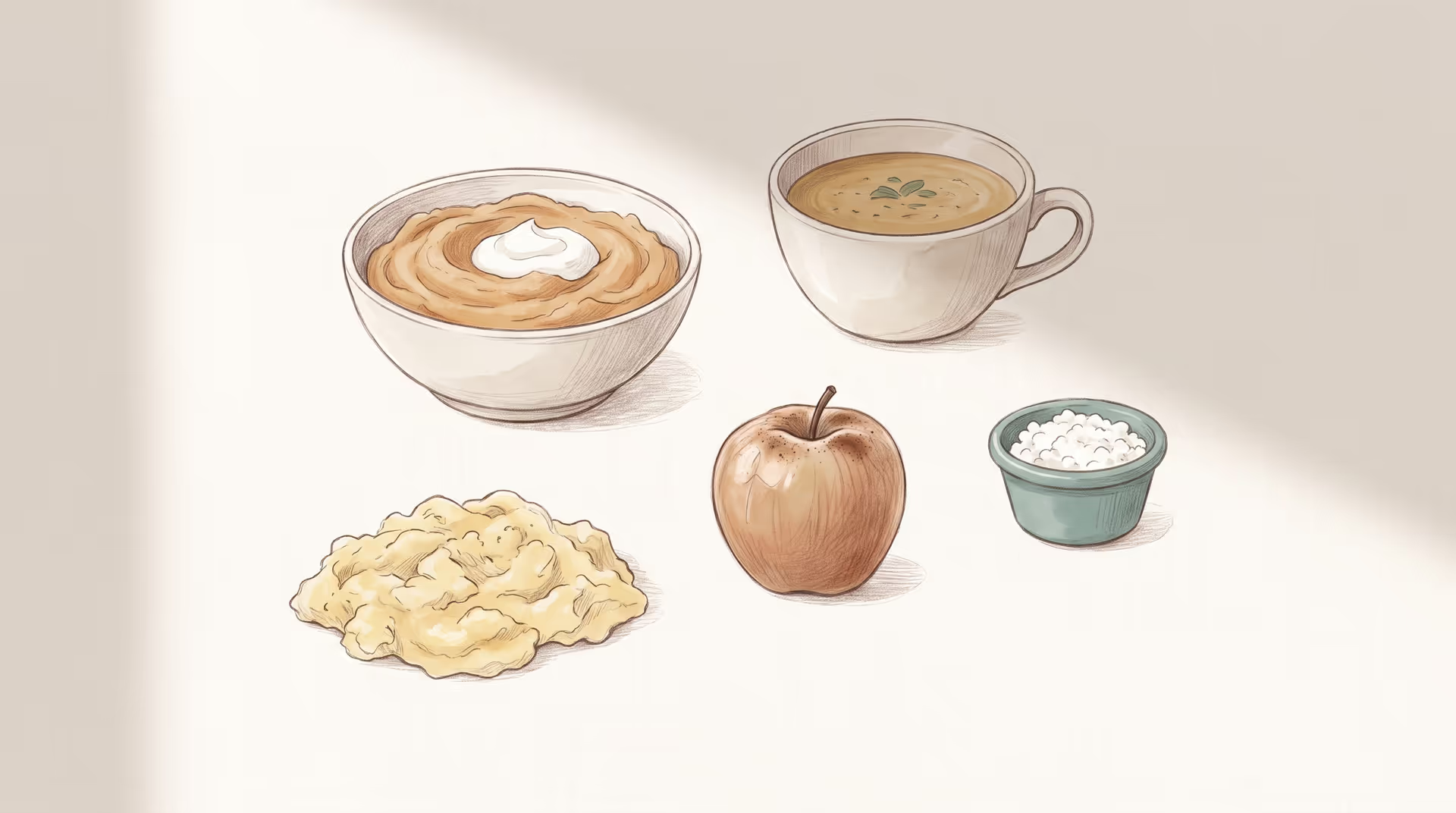
If your parent has trouble chewing or swallowing, a mechanical soft diet can make meals safer and more comfortable. This guide lists the kinds of foods to choose and the foods to avoid. It also offers simple tips for preparing and serving meals at home.
What is a mechanical soft diet?
A mechanical soft diet includes foods that are soft, moist, and easy to chew or mash. Some foods are pureed or ground. Others are cut into very small pieces. The goal is to lower the risk of choking or food going into the airway.
This diet is not the same for everyone. A speech-language pathologist (SLP) or doctor may give specific limits for textures and liquids.
Who might need this diet?
- People with trouble chewing because of missing teeth or sore gums.
- People recovering from mouth, throat, or neck surgery.
- People with swallowing problems (dysphagia) from stroke, Parkinson’s, or other conditions.
- Anyone at risk for aspiration pneumonia or weight loss because eating is hard.
Foods to choose
Below are easy choices grouped by category. When in doubt, make foods softer by cooking longer, mashing, pureeing, or cutting into very small pieces.
Dairy
- Smooth or fruit yogurt (no nuts or granola).
- Cottage cheese.
- Soft sliced cheese or melted cheese.
Protein
- Ground or finely diced cooked meat and poultry (smaller than 1/4 inch).
- Poached, baked, or broiled fish that flakes easily.
- Soft-cooked eggs (scrambled, poached).
- Tuna salad or egg salad without raw crunchy vegetables.
- Tofu.
- Well-cooked, mashed beans and legumes.
Vegetables
- Cooked vegetables that mash easily with a fork (potatoes, squash).
- Finely minced or diced cooked vegetables (about 1/8 to 1/4 inch).
- Soft canned vegetables drained and mashed if needed.
Fruits
- Applesauce or fruit purees.
- Canned fruits drained (unless thin liquids are restricted).
- Soft fresh fruit without skin: bananas, peeled peaches, melon.
- Cooked or mashed fruit.
Breads, cereals & starches
- Cream of Wheat, oatmeal, or other cooked hot cereals.
- Soft pancakes or French toast moistened with syrup.
- Soft pasta or well-cooked noodles with sauce.
- Soft, moist white rice and soft bread or rolls (moisten with sauce).
Soups
- Cream soups or blended soups without large chunks.
- Broths if thin liquids are allowed.
Desserts & snacks
- Pudding, custard, or gelatin.
- Ice cream, sherbet, or sorbet if thin liquids are allowed.
- Soft cakes or cookies without nuts or dried fruit.
Condiments & add-ins
- Gravies, sauces, mayonnaise, and salad dressings to keep foods moist.
- Butter or margarine and soft spreads (avoid chunky preserves with seeds).
Foods to avoid
- Hard, crunchy foods: nuts, seeds, popcorn, chips, raw carrots, raw celery.
- Tough meats or whole pieces that need a lot of chewing: steak, pork chops, sausages.
- Sticky foods that can cling in the mouth or throat: peanut butter, chewy candies, caramel.
- Foods with skins, seeds, or husks that may cause coughing (certain fruits and vegetables).
- Dry or coarse breads and crackers, dense whole-grain breads with seeds.
- Desserts or candies with nuts, coconut, or dried fruit.
Texture rules and portion sizes
- Cut solid foods into small pieces. Many centers recommend pieces no larger than 1/4 inch for diced meat and vegetables. Some recommendations allow up to 1/2 inch for very soft items, but always follow your clinician’s directions.
- Pureed foods should have a smooth, uniform texture with no lumps.
- Liquids: follow the thickness your SLP or doctor prescribes. If none is given, many people on a mechanical soft diet can have thin liquids. If thickening is needed, use the product suggested by your care team.
How to prepare and serve
- Use a blender, food processor, meat grinder, or chopper to make foods smooth or finely chopped.
- Add gravies, sauces, broth, milk, or cooking liquid to moisten foods before blending.
- Moisten bread with sauce or syrup and mash it lightly to avoid dry crumbs.
- Avoid forming a hard crust when reheating. Cover foods and reheat gently.
- Test temperatures. Hot food should be warm, not scalding.
- Serve small portions. Offer frequent, smaller meals if eating large meals is tiring.
Ways to keep calories and protein up
Eating less due to chewing or swallowing problems can cause weight loss. Here are safe ways to add calories and protein:
- Add commercial nutrition drinks like Ensure® or BOOST®. If liquids must be thickened, check with the SLP about thickening these drinks.
- Stir powdered milk into hot cereal, mashed potatoes, or pureed soups.
- Use gravies, cream sauces, and full-fat dairy when allowed.
- Offer soft desserts like puddings or custard as snacks or after meals.
Safety first
- If your parent coughs, chokes, or seems short of breath while eating, stop and call the doctor.
- Do not change liquid thickness or texture recommendations without talking to the SLP or doctor. Thickened liquids are sometimes needed to reduce the risk of food entering the airway.
- Always follow the specific guidance given by the clinical team. Each person’s needs are different.
How in-home caregivers can help
Caregivers can:
- Prepare meals to the right texture and portion size.
- Offer help with feeding as needed, while encouraging independence when safe.
- Keep a written list of allowed and not allowed foods at meal time.
- Bring supplies like blenders, measuring spoons, and thickener products if needed.
- Monitor weight and report changes to family and clinicians.
If you’re arranging care, ask the caregiver team about meal prep experience and whether they will work with your parent’s SLP or dietitian. A clear plan makes mealtimes safer and more pleasant.
If you have questions about textures, liquid thickness, or a specific food, contact your parent’s speech-language pathologist or dietitian. Following their advice keeps meals both safe and enjoyable.
