
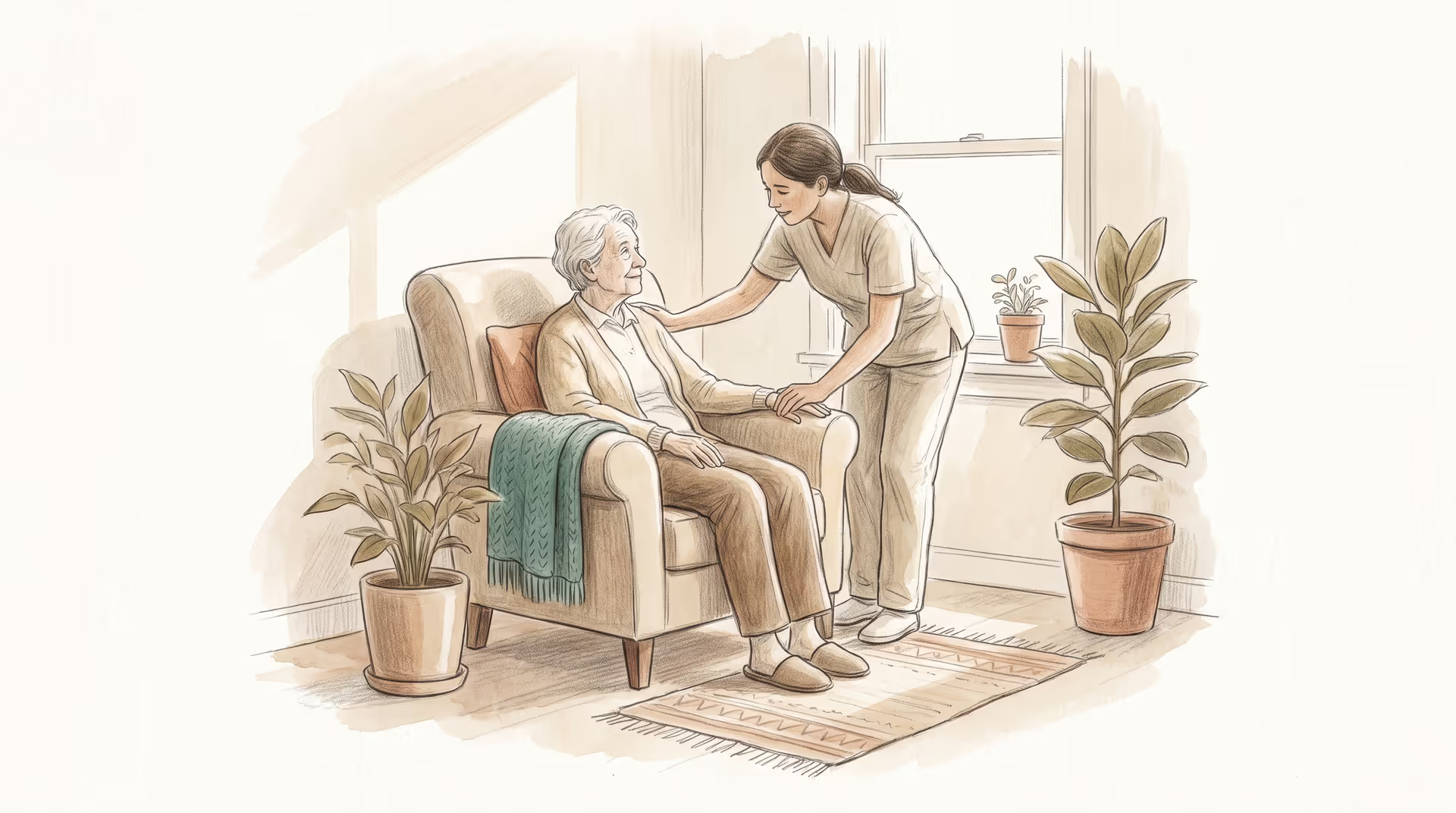
Short-term home care gives families flexible help when they need it most. It is non-medical care that fills gaps. It can last a few days, a few weeks, or a few months. This kind of care supports recovery, keeps someone safe at home, and gives family caregivers a break.
What short-term home care looks like
Short-term home care is scheduled support for a limited time. Care can be a few hours a week or daily visits. Some families use it around the clock for a short recovery period. Other families bring in a caregiver for mornings, evenings, or overnight shifts. Agencies design the schedule to fit your needs.
This care is different from home health nursing. Short-term home care focuses on daily tasks and safety. Skilled nursing visits are clinical and ordered by a doctor. Non-medical caregivers help with everyday living and supervision.
Who benefits from a limited engagement
Short-term care helps many situations, including:
- After a hospital stay or surgery while someone regains strength.
- Recovery from an illness or injury.
- When a family caregiver needs time off or is temporarily unavailable.
- During a major life change, such as a move or the loss of a spouse.
- When a new family member joins the home and routines need adjusting.
Families often use short-term care as a bridge. It can prevent problems that lead to a return to the hospital. Some agencies include monitoring that looks for warning signs during recovery. That extra attention can prompt quick action if a new problem appears.
Common services you can expect
Short-term home care normally includes companion and personal care tasks. Typical services are:
- Help with bathing, dressing, grooming, toileting, and moving safely.
- Meal planning and preparation.
- Light housekeeping, laundry, and running errands.
- Medication reminders.
- Transportation to appointments or errands.
- Companionship and safety checks.
Agencies tailor the care plan to each person. You can mix and match services for the time you need them.
Scheduling, hours, and minimums
Most agencies offer flexible scheduling, but keep a few rules in mind. Many set a minimum shift length. That often means two to four hours per visit. Short drop-in visits under an hour are usually not available because of staffing and travel logistics.
You can start short-term care quickly in many places. Some agencies can begin within days after an initial consult. That makes it useful after a hospital discharge or when urgent help is needed.
Part-time care can grow or shrink as needs change. Families often start with a few visits per week and increase coverage if the situation requires it.
Benefits for the person and for family caregivers
Short-term home care helps the older adult stay safe and comfortable at home. It supports recovery routines like bathing safely, taking medicines on time, and getting enough to eat and drink. Caregivers also offer a steady presence. That reduces fall risk and eases family worry.
For family caregivers, short-term care provides relief and room to breathe. Respite shifts can be a few hours, a full day, or overnight. Time away lowers stress and helps prevent burnout. It also gives caregivers time to handle work, appointments, or personal needs.
A temporary caregiver can also give fresh eyes on your loved one’s health. Professional caregivers may notice changes you missed. That early detection can lead to quicker help.
Safety, quality, and what to expect from agencies
Reputable agencies screen and train caregivers. Expect background checks, skills training, and ongoing supervision. Agencies you contact should explain how they match a caregiver to your loved one. They should also describe how they handle missed shifts and emergency backup.
If recovery is part of the plan, ask whether the agency has programs to watch for signs of worsening health. Some agencies include targeted monitoring for people recently discharged from the hospital. That kind of program aims to reduce readmissions by reporting concerns to a clinician early.
Always ask about licensing, insurance, and what “non-medical” care does and does not cover. Medication reminders are common. But actual medication administration or medical procedures usually require licensed nursing staff.
How to get started and what to ask
Start with a short call or visit. A good first step is a free consultation so the agency can assess needs. During that conversation, ask:
- What services do you offer for short-term care?
- How quickly can care begin?
- What are your minimum shift lengths and scheduling options?
- How do you screen, train, and supervise caregivers?
- Can you provide references or client stories?
- Do you have programs to help prevent hospital readmission or monitor recovery?
- What happens if the caregiver can’t make a shift?
- How is billing handled and can the plan be adjusted?
Bring notes about daily routines, medications, mobility issues, and any recent medical events. That helps the agency create a clear, short-term plan.
Making short-term care work for your family
Short-term, limited engagements are flexible. They meet immediate needs without forcing a long-term commitment. Use them to support recovery, keep someone safe at home, and protect your family’s well-being. They can also be the first step toward more regular care if needs grow.
If you’re thinking about short-term care, reach out for a consultation. A brief assessment will show whether limited engagement care can help now—and how to shape it to fit your family’s life.
