
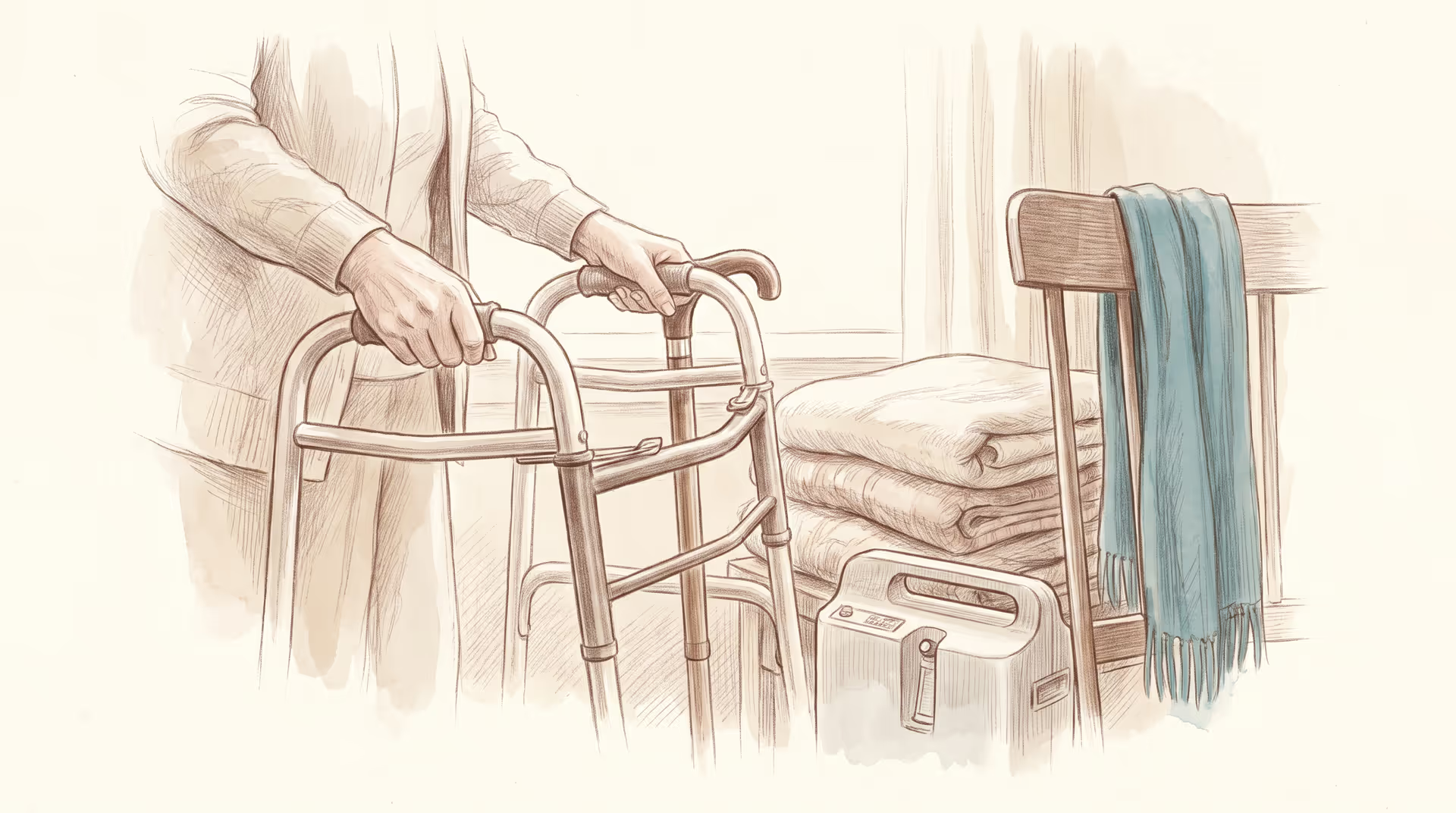
Intro Durable medical equipment (DME) can make a big difference for an aging parent who wants to stay safe at home. This guide explains what DME is, how Medicare and other payers handle it, and practical steps you can take to get the right equipment quickly and affordably.
What is durable medical equipment (DME)?
DME is medical equipment that:
- Is durable and made to be used repeatedly.
- Is used for a medical reason.
- Is generally not useful to someone who isn’t sick or injured.
- Is intended for use in the home. Medicare and many other insurers use this definition when deciding if an item is covered. Common examples include canes, walkers, wheelchairs, hospital beds, CPAP machines, oxygen equipment, commode chairs, and some lifts.
Who pays for DME?
- If your parent has Original Medicare (Part B), medically necessary DME can be covered. The doctor must order it for use in the home.
- Medicare Advantage plans also cover DME, but rules and approved suppliers can differ. Always check the plan’s network and coverage rules.
- Private insurance and Medicaid programs follow their own rules. Medi‑Cal (California’s Medicaid) and other state programs may have provider manuals with additional rules.
What counts as “medically necessary”?
A doctor or other authorized provider must document that the equipment:
- Is medically necessary to diagnose or treat a condition.
- Is part of the treatment plan.
- Helps the person function safely at home. Keep a written order or note from the provider. That paperwork is often required for coverage and ordering.
Typical items Medicare covers
Medicare lists many DME items. Examples include:
- Canes, crutches, walkers.
- Manual and power wheelchairs and scooters.
- Hospital beds and mattress systems.
- Patient lifts and transfer devices.
- Oxygen equipment and accessories.
- CPAP machines and supplies.
- Glucose monitors and related supplies.
- Commode chairs and shower chairs. This is not a complete list. Check Medicare.gov or your parent’s plan for specifics.
Rent vs. buy — and capped rentals
Some DME is rented, some is bought, and some items let you choose. Medicare has special rules for “capped rental” items like oxygen, nebulizers, and some wheelchairs:
- These items are usually rented under a monthly fee schedule.
- Medicare limits rental payments so the supplier can’t bill forever.
- Starting around the 10th rental month, suppliers must give the beneficiary the option to buy the item.
- After 13 continuous rental months (if the beneficiary bought it), title transfers to the beneficiary.
- After 15 rental months, Medicare stops paying rental fees except for a possible maintenance fee. Ask the supplier how long a rental will last and when you’ll be offered the option to buy.
Choosing a supplier
To avoid surprises:
- Use a supplier enrolled in Medicare or in your parent’s Medicare Advantage network.
- Ask if the supplier “accepts assignment.” If they do, Medicare pays the supplier directly and the supplier can only bill the deductible and your 20% coinsurance. If not, you may pay more up front and wait for reimbursement.
- Confirm the supplier will accept assignment for all rental months if you’re renting.
- Ask about delivery, setup, training on use, repairs, and maintenance.
- Get written quotes and a clear explanation of any out-of-pocket costs.
Questions to ask a supplier
- Are you enrolled in Medicare and do you accept assignment?
- Is the item billed as rental or purchase?
- If rental, when will I be given the option to purchase?
- What will delivery, setup, and training cost?
- Who repairs the item and how quickly?
- What documents do you need from my doctor?
Costs and billing — what to expect
- With Original Medicare Part B: after meeting the Part B deductible, you typically pay 20% of the Medicare-approved amount if the supplier accepts assignment.
- If the supplier does not accept assignment, you might pay more. Medicare may reimburse you later after you file claims.
- Medicare Advantage plan costs depend on the plan’s rules. Check the plan’s coverage and copays.
- Keep all receipts and supplier paperwork. You may need them if Medicare or the plan requests proof or if you need to appeal a denial.
Practical steps to get DME quickly
- Get a clear order from the doctor that documents medical necessity.
- Ask the doctor for any specific item details (size, features, weight capacity).
- Find a supplier that accepts your parent’s insurance and assignment.
- Request written estimates that spell out rental vs. purchase and all fees.
- Schedule delivery and in-home setup and training.
- Keep copies of orders, claims, receipts, and communications.
- If coverage is denied, ask the supplier and the insurer for the reason and follow the insurer’s appeal process.
Tips for caregivers
- Involve an occupational or physical therapist. They can recommend the right equipment and often write helpful notes supporting medical necessity.
- Designate one person to handle calls, paperwork, and follow-up. DME processes move faster when one person keeps everything organized.
- Use checklists and templates for common orders and for the questions to ask suppliers.
- If your parent has a Medicare Advantage plan, confirm network rules before ordering anything.
- For repairs and replacements, act quickly. Delays can raise safety risks.
Where to learn more
- Medicare.gov has a DME coverage page with covered items and rules.
- The Center for Medicare Advocacy and medical professional sites explain documentation, rental rules, and appeals.
- Contact your parent’s plan or state Medicaid office for program-specific rules.
Getting the right equipment can keep your parent safer and more independent at home. Start with a clear doctor’s order, choose a trusted supplier that accepts assignment, and keep careful records. Those steps make the process smoother and help limit surprise costs.
