
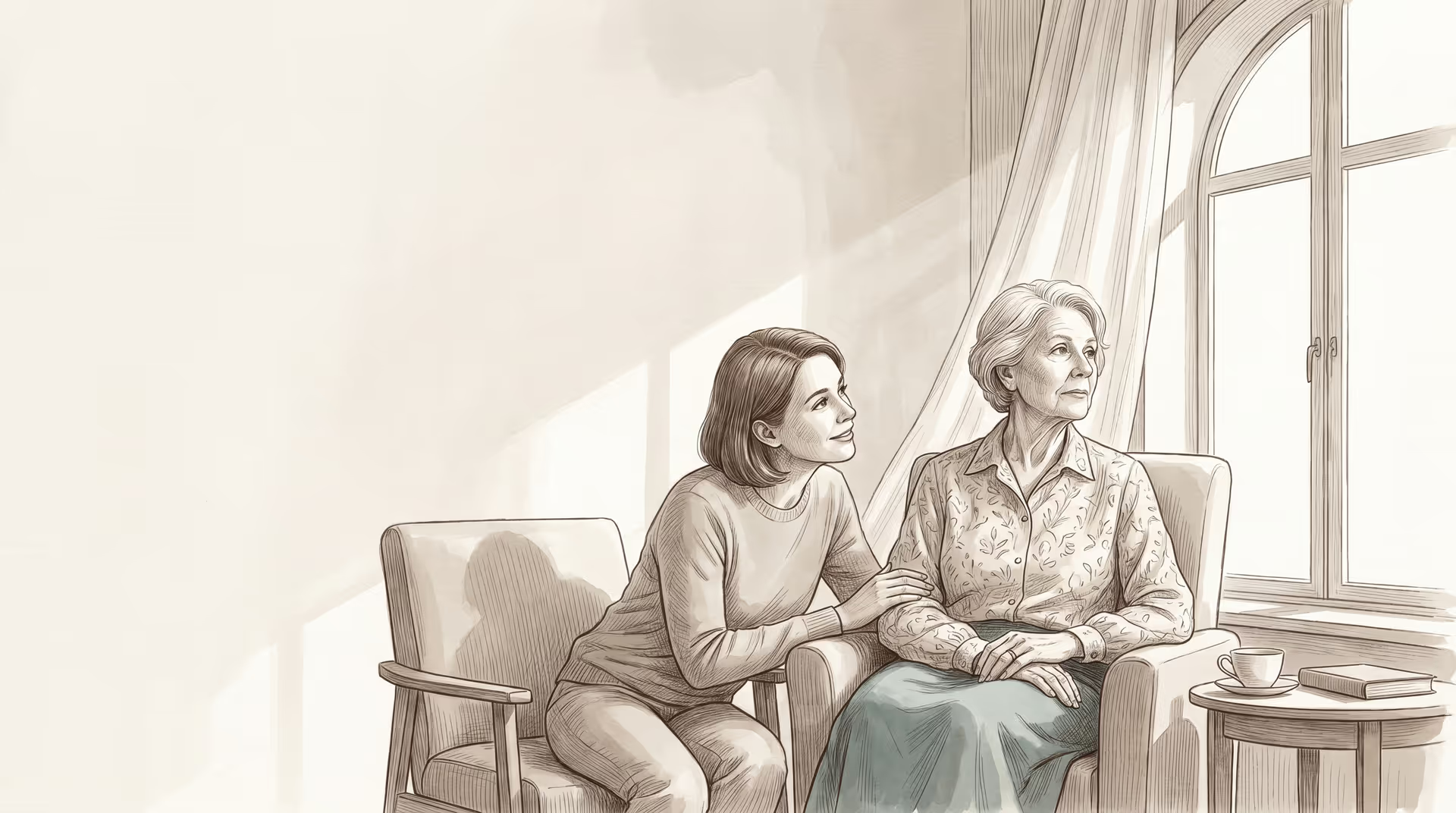
Depression is one of the most common (and most overlooked) health conditions in later life. It is a real medical condition, and not a normal part of aging. Yet it often hides in plain sight, mistaken for "just getting older," a side effect of illness, or simple grief. The encouraging truth families need to hear first: depression in older adults is highly treatable, and most people who get the right help feel meaningfully better.
If you or someone you love is having thoughts of suicide or self-harm, you don't have to wait. Call or text the 988 Suicide & Crisis Lifeline (just dial 988) for free, confidential support any time, day or night.
Why depression in older adults goes unrecognized
In younger adults, depression usually shows up as visible sadness. In older adults, it frequently doesn't. Many seniors describe feeling "numb," "empty," or simply "tired" rather than sad, and some will firmly deny feeling depressed at all, even while withdrawing from the life they once loved.
Several factors make it easy to miss:
- Overlap with physical illness. Fatigue, poor appetite, weight change, and disrupted sleep are textbook depression symptoms, and also common with chronic disease, medications, and aging itself. Doctors and families attribute the signs to the body instead of the mind.
- A generation that doesn't "complain." Many of today's older adults grew up being told to stay strong and keep private struggles private. They may report aches and pains to a doctor far more readily than low mood.
- It's confused with grief. Losing a spouse, friends, independence, or a longtime home brings real sorrow. Grief and depression can look alike, but grief tends to come in waves around memories, while depression is a persistent, all-day heaviness that crowds out pleasure in nearly everything.
The result is a quiet treatment gap. Older adults are among the least likely to receive care for depression, even though it responds well when it's caught.
A warning-signs checklist for families
Use this as a gentle screen, not a diagnosis. The more boxes you'd check (especially if the changes have lasted two weeks or longer and are a shift from how your loved one used to be), the more it's worth a conversation with their doctor.
Mood and outlook
- Persistent sadness, emptiness, or "flatness" most of the day
- Increased irritability, frustration, or restlessness
- Loss of interest or pleasure in hobbies, friends, or activities once enjoyed
- Feelings of worthlessness, guilt, or being a "burden"
- Frequent crying, or conversely an inability to feel anything
Body and daily function
- Trouble sleeping, or sleeping much more than usual
- Noticeable appetite or weight change
- Low energy, fatigue, or moving and speaking more slowly
- New or worsening aches, pains, or digestive complaints with no clear medical cause
- Trouble concentrating, remembering, or making decisions
Behavior and connection
- Pulling away from family, friends, or favorite routines
- Neglecting personal care, medications, or the home
- Increased use of alcohol or sedatives
- Talking about death, "not being here," or feeling life isn't worth living
That last item is never something to wait on. Any mention of suicide or self-harm warrants an immediate call to 988.
What raises the risk
Depression rarely has a single cause. It tends to build where several pressures stack up:
| Risk factor | Why it matters in later life |
|---|---|
| Social isolation & loneliness | Fewer daily connections remove the buffer that protects mood and meaning |
| Loss & grief | Death of a spouse or friends, retirement, and giving up a home pile up |
| Chronic illness & pain | Heart disease, stroke, diabetes, cancer, and chronic pain all raise risk |
| Functional decline | Trouble with everyday tasks erodes independence and self-worth |
| Certain medications | Some drugs can affect mood; a doctor can review the full list |
| Prior depression | A personal or family history makes a later episode more likely |
| Sensory loss & dementia | Hearing/vision loss and cognitive change deepen isolation |
Recognizing these patterns is part of a fuller picture of late-life health. Mood is one of the dimensions of wellness for seniors, and it's tightly linked to social connection and loneliness in older adults, one of the strongest and most modifiable risk factors of all.
How families can help
You don't need to be a therapist to make a real difference. What helps most is steady, non-judgmental presence.
- Open the door gently. Lead with what you see, not a label: "You haven't seemed like yourself lately, and I miss our walks. How are you really doing?" Then listen without rushing to fix.
- Take it seriously, don't minimize. Avoid "snap out of it" or "you have so much to be grateful for." Depression isn't a choice, and those phrases add shame.
- Help connect to care. Offer to schedule the doctor's appointment, drive them, and sit in if they want. A primary care visit is a fine first step.
- Rebuild small routines. A standing phone call, a shared meal, a short daily walk, or a return to worship or a club chips away at isolation and gives the day shape.
- Watch the warning signs. Keep an eye on the checklist above over time, and act quickly on anything pointing toward self-harm.
If you're also noticing slipping memory, missed bills, or an unsafe home alongside low mood, our guide to the signs your aging parent needs help can help you sort out what you're seeing and what to do next.
Where to find treatment and support
Depression in older adults usually responds to treatment, often a combination of approaches:
- Talk therapy. Counseling, including cognitive behavioral therapy, helps people work through grief, change negative thought patterns, and rebuild connection.
- Medication. Antidepressants can be very effective. Doctors typically start older adults at a lower dose and increase slowly, so it's worth giving it time and staying in touch with the prescriber.
- Lifestyle and connection. Regular movement, good sleep, nutritious meals, and meaningful social contact all support recovery and protect against relapse.
Helpful first stops include a primary care doctor (who can screen and refer), the trusted overviews from the National Institute on Aging, the CDC, and the National Institute of Mental Health, and MedlinePlus for plain-language medical information. To find local aging services, counseling, and support near you, the federal Eldercare Locator connects families to resources by ZIP code. And for any crisis, the 988 Suicide & Crisis Lifeline is always available.
Frequently asked questions
Is depression a normal part of getting older? No. While later life brings real losses and challenges, lasting depression is a medical condition, not an inevitable feature of aging. Most older adults are not depressed, and those who are can get better with treatment.
How is depression different from grief? Grief usually comes in waves tied to memories and gradually eases, and moments of joy still break through. Depression is a persistent, all-day heaviness that drains pleasure from nearly everything for two weeks or more. The two can overlap, so when grief doesn't lift, it's worth a professional opinion.
Can depression be mistaken for dementia? Yes. Depression can cause trouble concentrating, memory complaints, and slowed thinking that resemble early dementia, sometimes called "pseudodementia." Because it's treatable, it's important to have a doctor evaluate any new cognitive changes rather than assume the worst.
What's the first step if I think my parent is depressed? Start with a caring conversation, then a visit to their primary care doctor, who can screen for depression, rule out medical causes, and refer to treatment. If there's any talk of suicide or self-harm, call or text 988 right away.
