
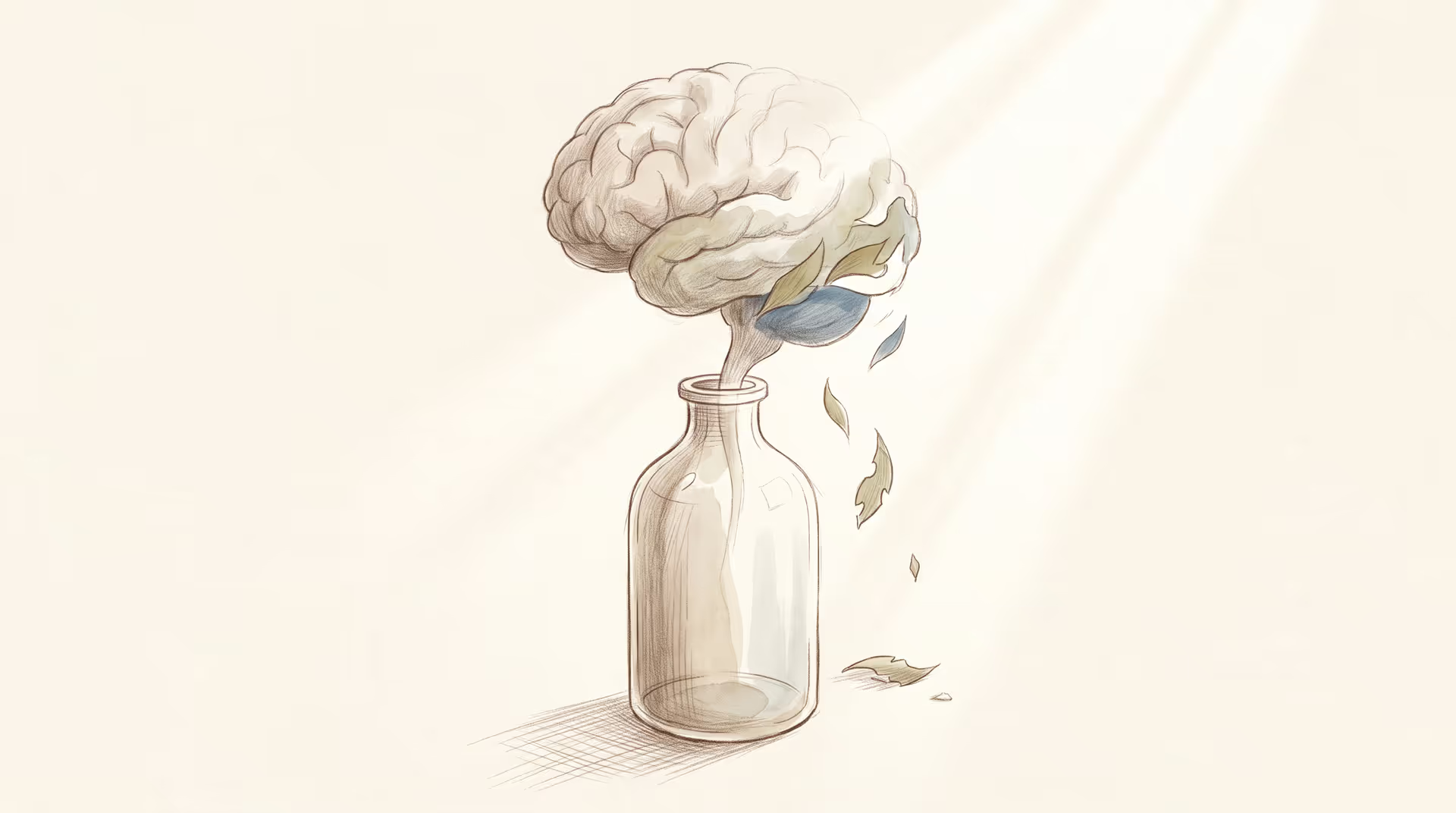
Many families wonder if drinking can cause dementia. The short answer is: yes. Long-term, heavy drinking can damage the brain and lead to serious thinking and memory problems. Those changes are often called alcohol-related brain injury (ARBI) or alcohol-related dementia. This article explains how alcohol harms the brain, the key conditions to know, and practical steps you can take if you worry about a parent.
What “alcohol-related dementia” means
Doctors now prefer the term alcohol-related brain injury (ARBI). It covers brain damage from years of unsafe drinking. ARBI can affect memory, reasoning, language, mood, and movement. In some cases the damage is severe enough that people meet criteria for dementia.
ARBI includes several related conditions. Two names you may hear are Wernicke’s encephalopathy and Korsakoff syndrome. Together they are often called Wernicke–Korsakoff syndrome. These are linked to a severe lack of thiamine (vitamin B1), which is common in people who misuse alcohol and have poor nutrition.
How alcohol harms the brain
Alcohol can damage the brain in several ways:
- Direct toxic effects on brain cells from long-term heavy drinking.
- Repeated cycles of intoxication and withdrawal that stress the brain.
- Reduced blood flow or other vascular damage to the brain.
- Poor nutrition and vitamin deficiencies, especially thiamine.
- Head injuries that happen while a person is drunk.
A major review of the research shows that chronic alcohol misuse accelerates brain aging and raises the risk of cognitive decline. That review also notes that alcohol misuse may increase the risk of dementia overall, though it does not always cause Alzheimer’s disease specifically.
Not everyone who drinks heavily will develop ARBI. Factors such as diet, genetic differences, other health problems, and how long and how much a person drinks play a role.
Wernicke and Korsakoff: the thiamine link
Thiamine (vitamin B1) helps brain cells make energy. Alcohol can block thiamine absorption and people who drink heavily sometimes eat poorly. Low thiamine can cause:
- Wernicke’s encephalopathy — an acute, medical emergency. Symptoms include confusion, eye movement problems, and trouble with balance or walking. It needs immediate hospital treatment and high-dose thiamine.
- Korsakoff syndrome — a chronic memory disorder that often follows Wernicke’s. People with Korsakoff have major trouble making new memories. They may also confabulate, meaning they fill memory gaps with made-up stories that they believe.
The Alzheimer’s Association and other sources describe Korsakoff syndrome as a severe and often long-lasting memory problem caused by thiamine deficiency, most commonly linked to alcohol misuse.
Signs to watch for
Alcohol-related brain damage can look a lot like other forms of dementia. Early signs can include:
- Forgetting recent events or repeating questions.
- Trouble learning new things.
- Problems planning, organizing, or solving simple problems.
- Changes in mood, personality, or behavior.
- Poor coordination, unsteady walking, or clumsiness.
- Making up stories to explain memory gaps (confabulation).
- Hallucinations in some cases.
Wernicke’s encephalopathy has more acute signs: sudden confusion, eye movement problems, and trouble walking. That is an emergency. If you see those signs, get immediate medical help.
How alcohol-related brain injury differs from Alzheimer’s
There are key differences between ARBI and Alzheimer’s disease:
- ARBI is often linked to long-term heavy drinking and to thiamine deficiency.
- Some brain damage from alcohol can partially improve after stopping alcohol and getting treatment. It is not always progressive the way Alzheimer’s usually is.
- Alzheimer’s disease shows specific protein changes in the brain (plaques and tangles). Those are not the main feature of alcohol-related damage.
- Continuing to drink after brain damage can cause more harm and push someone into more severe stages.
A major clinical source (Cleveland Clinic) notes that stopping alcohol is the best treatment and that damage will not necessarily keep getting worse if the person becomes sober.
Diagnosis and treatment
Diagnosis begins with a medical exam and a clear history of alcohol use. Doctors may order blood tests, nutritional checks (including thiamine), brain scans, and cognitive testing. Korsakoff syndrome is usually a clinical diagnosis based on symptoms and history.
Treatment steps include:
- Stopping alcohol use. This is the most important step.
- High-dose thiamine (especially for Wernicke’s encephalopathy).
- Nutrition and vitamin supplements.
- Treating withdrawal safely under medical supervision when needed.
- Alcohol use disorder treatment and counseling.
- Cognitive rehabilitation, structure, and support for daily tasks.
Recovery varies. Some thinking skills improve in months to years after stopping drinking. Memory problems may remain in some people. Dementia Australia and other groups note that recovery can take up to two years and that early treatment gives the best chance of improvement.
What you can do now (practical steps for adult children)
If you suspect a parent’s thinking problems are linked to alcohol:
- Make a calm, private plan to talk. Focus on what you’ve observed. Use specific examples.
- See a doctor together. Share the parent’s drinking history and any weight loss, falls, or poor appetite.
- Ask about thiamine testing and replacement. If the doctor suspects Wernicke’s, urgent treatment is needed.
- Get help for alcohol use disorder. Medical detox, counseling, and support groups can reduce harm.
- Consider an assessment for home-care support. People with ARBI may need help with meals, meds, and safety.
- Plan for legal and financial protection if decision-making is impaired (powers of attorney).
- Take care of yourself. Caregiving can be hard. Seek support groups and respite options.
Preventing further damage and supporting recovery
The best prevention is avoiding long-term heavy drinking. If a loved one already drinks risky amounts, ask for help. Even after damage occurs, stopping alcohol and treating nutritional needs can slow or stop further harm. Medical care, structured routines, and consistent support make recovery more likely.
If you’re worried, don’t wait. A doctor can help sort out the cause of memory problems and start the right treatment. You don’t have to handle this alone — reach out to medical teams and community supports for guidance and care.
