
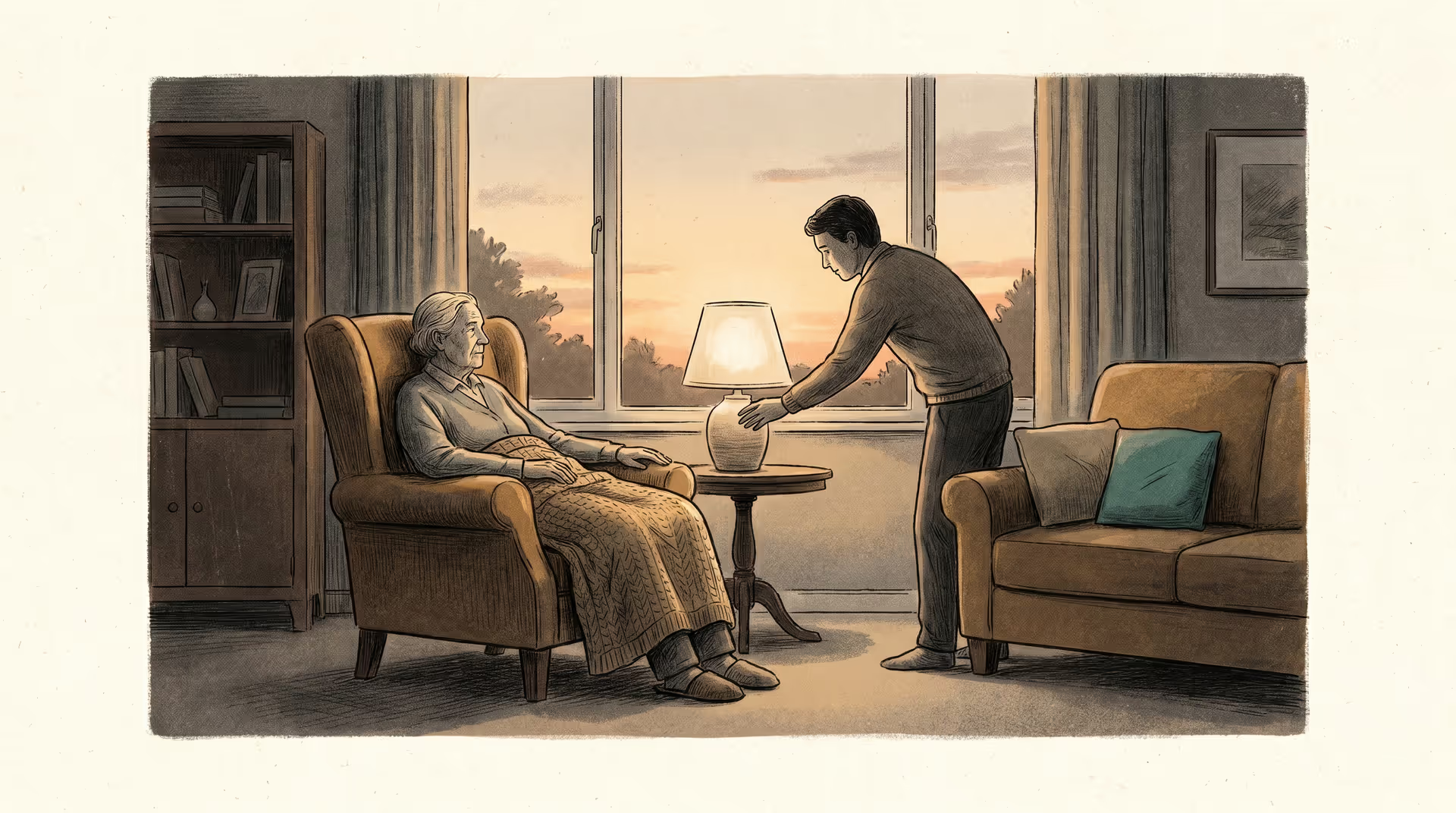
If you care for someone with dementia, you may have noticed a pattern: the calm of the morning gives way to restlessness, confusion, or agitation as the afternoon fades into evening. Maybe your father starts pacing near the door at 4 p.m., insisting he needs to "go home" even though he's already there. Maybe your mother grows anxious, tearful, or suspicious right as you're trying to make dinner. This late-day shift has a name (sundowning), and if you're living it, you are not imagining things, and you are not doing something wrong.
Sundowning is one of the most exhausting parts of dementia caregiving precisely because it arrives at the hour you have the least energy left. The good news: it is predictable, and you can plan for predictable problems. This guide explains what sundowning is, why it happens, and the practical, evidence-informed steps that genuinely help, plus a quick triggers-to-solutions table you can keep on the fridge.
What sundowning is
Sundowning is a cluster of behaviors that tend to appear or worsen in the late afternoon and evening in people living with Alzheimer's disease and other dementias. Common signs include:
- Increased confusion or disorientation as daylight fades
- Restlessness and pacing, or a strong urge to "go home" or leave
- Agitation, anxiety, or irritability that seems to come out of nowhere
- Suspicion or paranoia, and sometimes hallucinations
- Difficulty settling down to sleep, with the night becoming its own challenge
These behaviors can happen to anyone with dementia, but they're most common in the middle and later stages. The intensity often rises and falls day to day, which is exactly why tracking patterns is so useful.
Why it happens
There's no single cause, which is part of what makes sundowning frustrating. Instead, a combination of factors tends to work together:
- A disrupted internal clock. Dementia can damage the brain's circadian "pacemaker," scrambling the natural rhythm of alertness and rest. As natural light drops, the brain's cues for winding down get muddled.
- End-of-day depletion. After a full day of working hard to make sense of the world, a person with dementia may simply run low on the mental reserves needed to stay oriented: what some caregivers call "running out of bandwidth."
- Fading light and shadows. Dim lighting creates shadows and visual confusion that can frighten or disorient.
- Unmet physical needs. Hunger, fatigue, pain, a full bladder, constipation, or an undetected infection (a urinary tract infection is a classic culprit) can all amplify distress.
- The day's leftover stimulation. Too much noise, too many people, a rushed dinner hour, or even the caregiver's own fatigue can tip an already-tired brain into overload.
The triggers-to-solutions table
When sundowning flares, the instinct is to react in the moment. It's far more effective to remove the triggers before they build. Here's a quick-reference guide pairing common triggers with practical responses:
| Common trigger | What tends to help |
|---|---|
| Fading daylight, shadows | Turn on lights before dusk; close curtains to hide shadows and reflections |
| Daytime napping / poor sleep | Encourage morning activity and sunlight; limit late-afternoon naps |
| Hunger or thirst | Serve the largest meal at midday; offer a light, calm dinner and a small evening snack |
| Caffeine, sugar, alcohol | Keep these to the morning, if at all; avoid them after lunch |
| Overstimulation (noise, crowds, TV news) | Lower the volume, dim the bustle, and schedule visitors earlier in the day |
| Pain, infection, or a full bladder | Check for physical discomfort first; build in a bathroom routine before evening |
| A rushed, chaotic dinner hour | Prep dinner earlier; keep the late afternoon slow and predictable |
| Boredom or restlessness | Offer a simple, familiar activity: folding towels, a short walk, quiet music |
| Feeling lost or wanting to "go home" | Stay calm, reassure, avoid arguing; redirect gently to a comforting activity |
Building a calmer end-of-day routine
The single most protective thing you can do is make the day predictable. A stable rhythm of waking, meals, activity, and rest helps anchor a brain that has lost its own sense of time. Our guide to building daily routines for dementia walks through how to structure the day; for sundowning specifically, keep these priorities in mind:
- Front-load the day. Schedule appointments, outings, baths, and demanding tasks for the morning, when reserves are highest. Keep late afternoon calm and uneventful.
- Get morning light and gentle movement. Daytime exposure to bright light and a little physical activity help reset the body clock and improve nighttime sleep. A short walk after breakfast does double duty.
- Guard the evening environment. Turn on lamps before the sun sets, reduce noise, and keep the space familiar and uncluttered. Soft music or a favorite show (skip the agitating news) can ease the transition.
- Watch caffeine, sugar, and alcohol, especially in the afternoon and evening.
- Don't argue with the confusion. If your loved one insists it's time to leave or that something isn't right, arguing rarely works and often escalates fear. Validate the feeling, offer reassurance, and gently redirect.
When the evening still goes sideways
Even with the best routine, some evenings unravel. If your loved one is awake and upset, stay calm; your tone and body language matter more than your words. Speak slowly, keep the lights on, and gently ask if something is wrong, hurting, or needed. Sometimes a snack, a bathroom trip, or simply your reassuring presence resolves it. Avoid physically restraining someone who wants to pace; instead, make the space safe so movement isn't dangerous.
If wandering toward the door is a recurring worry, address safety directly: secure exits, consider door alarms, and remove tripping hazards. Sundowning is one of the behaviors that can make staying home unsustainable, and it's a common reason families begin exploring memory care: communities specifically designed with secure layouts, structured days, and staff trained in exactly these moments.
Protecting yourself, too
Sundowning lands hardest on the caregiver, because it strikes when you're depleted and need the day to wind down. Chronic late-day stress is a fast track to exhaustion, so treat your own rest as part of the care plan. If evenings are consistently overwhelming, line up help: a respite shift, an adult day program, or a family member who can take the late-afternoon hours. Our guide to recognizing and recovering from caregiver burnout can help you spot the warning signs before they pile up.
When to call the doctor
Routine adjustments help most sundowning, but some situations warrant a clinician's input. Reach out to the doctor if:
- Sundowning appears suddenly or worsens sharply; this can signal pain, dehydration, a medication side effect, or an infection like a UTI
- Behaviors become unsafe for your loved one or for you
- Sleep problems are severe and routine changes aren't helping
- You're considering any medication for agitation; use these only under medical guidance, after a clinician has ruled out physical causes
A doctor can check for treatable triggers, review medications (and their timing), and help you weigh options. Government and nonprofit resources offer trustworthy, jargon-free guidance, including the National Institute on Aging's tips for coping with agitation, aggression, and sundowning, the Alzheimer's Association's page on sleep issues and sundowning, and the federal alzheimers.gov guide to managing personality and behavior changes.
Frequently asked questions
What stage of dementia does sundowning happen? It can occur at any point but is most common in the middle and later stages of dementia, particularly with Alzheimer's disease. As the disease progresses, sundowning often eases or resolves.
Does sundowning mean the dementia is getting worse? Not necessarily on its own. But a sudden onset or a sharp increase in late-day agitation is worth a call to the doctor, because it can point to a treatable cause like pain, an infection, or a medication issue rather than disease progression alone.
Is sundowning the same as wandering? They're related but distinct. Wandering, including the urge to "go home" and pacing toward exits, is one behavior that frequently shows up during sundowning, but sundowning also covers confusion, anxiety, and agitation that don't involve moving around.
How long does an episode last? It varies widely. Some episodes ease within an hour once the person is reassured and settled; others stretch into nighttime sleep disruption. Tracking your loved one's patterns helps you anticipate and shorten them.
Sundowning can feel relentless, but it is one of the more workable challenges in dementia care because it's so predictable. Track the patterns, protect the late-day hours, lean on a steady routine, and don't try to carry the evenings alone. Small, consistent changes (a lamp turned on early, a calmer dinner, a morning walk in the sun) add up to gentler nights for both of you.
