
Why Emergency Call Systems Matter in Assisted Living
When you're choosing an assisted living community for a loved one, safety is often at the top of your mind, and for good reason. Emergency call systems serve as the silent guardians that connect residents to help when seconds count, providing a critical lifeline during medical emergencies, falls, or moments when assistance is simply needed. These systems represent one of the most fundamental safety features in any assisted living facility, yet many families overlook them during tours or fail to ask the detailed questions that reveal how well a community truly protects its residents. Understanding what makes an effective emergency call system can help you make a more informed decision about where your loved one will live.
For families navigating the senior care journey, understanding how a facility handles emergencies provides invaluable peace of mind during an already stressful transition. A well-designed emergency call system can mean the difference between a minor incident that's quickly resolved and a serious health crisis that escalates due to delayed response. The technology itself matters, but equally important are the protocols, staffing levels, and training that determine how effectively staff respond when an alert is triggered. As you tour facilities and evaluate your options, knowing what questions to ask about emergency systems helps you cut through marketing language and evaluate whether a community can truly keep your loved one safe around the clock.
The stakes are particularly high for seniors living with chronic health conditions, mobility challenges, or cognitive impairments like dementia. These residents may be at elevated risk for falls, medical emergencies, or situations where they cannot easily call for help using traditional methods. Modern emergency call systems have evolved to address these specific vulnerabilities, offering features like automatic fall detection and location tracking that can summon help even when a resident is unable to press a button. For families with loved ones in these higher-risk categories, understanding the nuances of emergency response technology becomes even more critical to ensuring their safety and your peace of mind.
Types of Emergency Call Systems
Assisted living facilities employ a variety of technologies to ensure residents can summon help whenever they need it, and the specific systems in use can tell you a lot about a facility's commitment to resident safety. Understanding the different types of emergency call systems helps you ask informed questions during facility tours and evaluate whether a community's technology meets your loved one's specific needs. Each type of system has distinct advantages and limitations, and the best facilities often combine multiple technologies to create comprehensive coverage that leaves no gaps in protection. As you learn about these options, consider your loved one's mobility level, cognitive status, and daily routines to determine which features matter most.
Pull Cord Systems
Pull cord systems represent the most traditional and widely recognized form of emergency call technology in assisted living communities, having been a standard feature for decades. These systems consist of cords installed in strategic locations, typically bathrooms and bedrooms, that residents can pull to alert staff that assistance is needed. When activated, the pull cord triggers an alert at a central monitoring station and often activates a light outside the resident's door to help staff quickly locate where help is needed. The simplicity and reliability of pull cord systems have made them a cornerstone of assisted living safety infrastructure.
However, pull cord systems do have significant limitations that families should understand when evaluating a facility's emergency response capabilities. The most obvious drawback is that residents must be able to physically reach the cord to activate it, which may not be possible if they've fallen or are experiencing a medical emergency that impairs their mobility. Pull cords are also stationary by design, meaning they only provide protection in the specific rooms where they're installed rather than throughout the facility. For these reasons, pull cords work best as one component of a comprehensive emergency response system rather than as a facility's sole means of summoning help.
Wearable Pendants and Wristbands
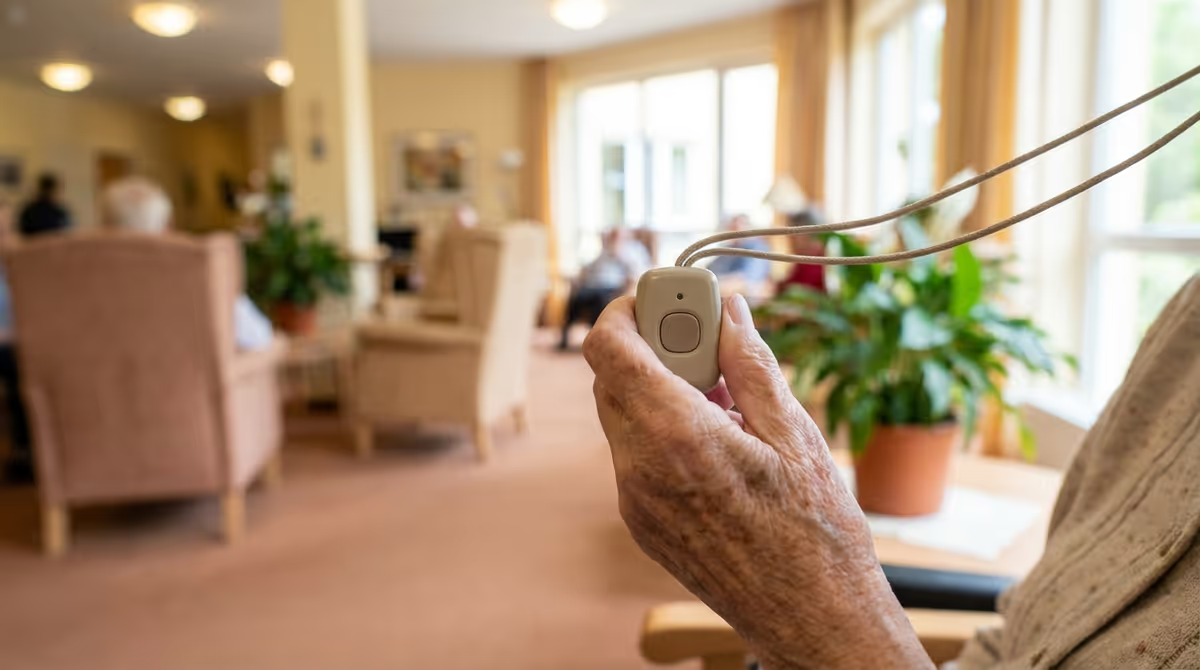
Wearable emergency call devices have become increasingly common in assisted living communities because they address many of the limitations inherent in stationary pull cord systems. These devices, worn around the neck as pendants or on the wrist like watches, allow residents to call for help from anywhere within the facility's coverage area simply by pressing a button. This mobility makes wearable devices particularly valuable for active residents who spend significant time in common areas, dining rooms, outdoor spaces, and other locations away from their private rooms. The ability to summon help regardless of location provides both residents and families with greater peace of mind throughout the day.
When evaluating a facility's wearable device program, there are several important features to inquire about that can significantly impact effectiveness. Waterproof devices are essential because bathrooms are among the most common locations for falls, and residents need to be able to wear their call devices in the shower where many accidents occur. Battery life and charging protocols matter as well, since a device with a dead battery provides no protection at all. Some facilities require residents to dock their devices for charging overnight, which creates a vulnerability during hours when staffing is typically reduced and help may be harder to summon through other means. The best programs ensure devices remain functional around the clock through long battery life, easy charging methods, or backup systems during charging periods.
Motion Sensors and Smart Technology
Modern assisted living facilities increasingly supplement traditional call systems with passive monitoring technologies that can detect emergencies without requiring any action from the resident. Motion sensors installed in resident rooms can identify unusual patterns that may indicate a problem, such as a resident who hasn't gotten out of bed at their usual time or who has been in the bathroom for an unusually long period. These systems use artificial intelligence and pattern recognition to learn each resident's normal routines and flag deviations that might warrant a staff check-in. This passive approach to monitoring provides an additional safety layer that's particularly valuable for residents who might not be able to activate a traditional call device during an emergency.
Smart technology also enables more sophisticated fall detection capabilities that go beyond simple motion sensing to identify the specific movements associated with a fall. These systems use accelerometers and algorithms similar to those found in consumer smartwatches to detect sudden impacts or changes in orientation that suggest a person has fallen. When a potential fall is detected, the system can automatically alert staff even if the resident is unconscious or otherwise unable to call for help themselves. For families with loved ones at high fall risk due to mobility issues, medication side effects, or conditions like Parkinson's disease, automatic fall detection can provide crucial peace of mind.
Two-Way Voice Communication
Some emergency call systems include built-in speakers and microphones that enable immediate two-way communication between residents and staff when an alert is triggered. This feature allows caregivers to speak directly with the resident to assess the situation before arriving, which can help them prepare the appropriate response and bring any needed equipment or additional personnel. For residents experiencing a non-emergency situation, voice communication can provide immediate reassurance that help is on the way and allow staff to offer calming guidance. The psychological benefit of hearing a familiar voice during a stressful moment shouldn't be underestimated, particularly for residents with anxiety or cognitive impairments.
Two-way voice systems also help facilities use their staff resources more efficiently by enabling quick triage of emergency calls. When a staff member can speak with a resident immediately after an alert, they can often determine whether the situation requires an urgent response or simply routine assistance at the resident's convenience. This information helps ensure that true emergencies receive immediate attention while less urgent requests are handled appropriately without pulling staff away from other residents who may need them. For families, knowing that a facility uses voice-enabled emergency systems can provide confidence that their loved one will receive both immediate reassurance and appropriately prioritized care.
Questions to Ask When Touring a Facility
Preparing thoughtful questions before your facility tour helps you evaluate each community's genuine commitment to resident safety rather than simply accepting marketing claims at face value. The way administrators and staff respond to detailed questions about emergency systems can reveal a lot about the facility's culture and priorities. Facilities that take safety seriously will welcome these questions and provide specific, confident answers rather than vague reassurances. Don't hesitate to ask follow-up questions or request demonstrations of the emergency call system in action during your tour.
About the System Itself
Understanding the technical specifications and maintenance protocols for a facility's emergency call system helps you evaluate its reliability and effectiveness. Start by asking what type or types of emergency call technology the facility uses, and whether they rely on a single system or combine multiple technologies for comprehensive coverage. Inquire about the age of the current system and when it was last upgraded, since older systems may be less reliable or lack modern features that improve safety. Ask specifically whether call devices are waterproof and can be worn in the shower, and whether the system provides coverage throughout the entire facility including outdoor areas, or only in certain zones.
- What type of emergency call system do you use, and how old is the current installation?
- Are wearable call devices waterproof and designed to be worn in the shower?
- How often is the system tested, and what does your maintenance protocol include?
- Is there a backup power source that keeps the system functional during power outages?
- Does coverage extend to outdoor courtyards, gardens, and walking paths?
About Response Protocols
The technology behind an emergency call system matters far less than the human protocols that determine how quickly and effectively staff respond when an alert is triggered. Ask facility administrators to walk you through exactly what happens from the moment a resident presses their call button until help arrives, including who receives the alert, how responders are dispatched, and what information they have about the situation. Understanding these protocols helps you evaluate whether the facility has thoughtful systems in place or simply relies on technology without adequate human backup. Pay attention to whether staff can answer these questions confidently and consistently, as hesitation or conflicting answers may indicate unclear protocols.
- What is your average response time from alert to staff arrival, and how do you measure this?
- Who receives the initial alert, and who is dispatched to respond—nurses, caregivers, or other staff?
- How are emergency incidents documented, reviewed, and used to improve response protocols?
- What happens when a resident accidentally triggers the system—is there any penalty or discouragement?
- How does your emergency response change during overnight hours when staffing is typically reduced?
About Staff Training
Even the most sophisticated emergency call system is only as effective as the staff members who respond to alerts and provide care during emergencies. Ask detailed questions about how staff are trained on emergency response protocols, including both initial training for new hires and ongoing refresher training for experienced employees. Inquire about certifications in CPR, first aid, and other emergency response skills, and ask how the facility ensures these certifications remain current. Understanding staffing levels during different shifts is also crucial, since nighttime and weekend hours often see reduced staffing that can impact emergency response times.
- What emergency response training do staff members receive, and how often is it refreshed?
- How frequently does the facility conduct emergency response drills, and do all shifts participate?
- Are all staff members who might respond to emergencies certified in CPR and first aid?
- What is the staff-to-resident ratio during day shifts, evening shifts, and overnight hours?
- How do you ensure adequate coverage during shift changes, staff breaks, and unexpected absences?
Key Features That Protect Your Loved One
When evaluating emergency call systems across different facilities, certain features stand out as indicators that a community takes resident safety seriously and has invested in comprehensive protection. These features go beyond basic compliance with regulations to provide genuinely enhanced safety for residents. Understanding what distinguishes adequate emergency systems from excellent ones helps you make meaningful comparisons between facilities. As you tour communities, look for these key features and ask specific questions about how they're implemented.
Comprehensive Coverage
The most effective emergency call systems provide protection throughout the entire facility rather than limiting coverage to resident rooms and bathrooms. Ask whether the system works in all common areas including dining rooms, activity spaces, therapy rooms, and hallways where residents spend significant portions of their day. Outdoor coverage is equally important, since many residents enjoy spending time in courtyards, gardens, and walking paths where emergencies can just as easily occur. Inquire specifically about any dead zones or areas with limited coverage, and ask how the facility addresses these gaps to ensure residents are protected everywhere they go.
Comprehensive coverage also means ensuring that the system works reliably in challenging environments like elevators, stairwells, and areas with thick walls or other structural features that can interfere with wireless signals. Some facilities have discovered gaps in their coverage only after an emergency revealed that alerts weren't transmitting properly from certain locations. Ask whether the facility has conducted systematic testing to verify coverage throughout the entire property, and whether they repeat this testing periodically to ensure continued reliability. A facility that has proactively identified and addressed coverage gaps demonstrates a serious commitment to resident safety.
Automatic Fall Detection
Advanced wearable devices can now detect falls automatically using accelerometers and sophisticated algorithms that identify the sudden movements and impacts associated with falling. This feature provides critical protection for residents who might be unable to press a call button after a fall due to injury, disorientation, or loss of consciousness. Automatic fall detection is particularly valuable for residents at elevated fall risk, including those with mobility impairments, balance issues, or conditions that can cause sudden dizziness or fainting. For families concerned about falls, this feature can provide significant peace of mind knowing that their loved one will receive help even if they can't summon it themselves.
When evaluating automatic fall detection systems, ask about accuracy rates and how the facility handles both false positives and missed detections. No fall detection system is perfect, and some will occasionally alert when a resident simply sits down quickly or drops their device, while others might miss certain types of falls. Understanding how the facility balances sensitivity with false alarm rates helps you evaluate the practical effectiveness of their system. Ask also how staff respond to automatic fall alerts, since the response protocol may differ from alerts triggered manually by residents.
Location Tracking
Emergency call systems that include location tracking enable faster response times by directing staff immediately to the resident's exact position rather than requiring them to search the facility. This feature is especially valuable in larger communities with multiple buildings, floors, or wings where locating a resident quickly can be challenging. Location tracking can also provide valuable safety information for residents with dementia who might wander or become disoriented, allowing staff to find them quickly if they leave designated areas. For families with loved ones who have cognitive impairments, location tracking offers an additional layer of security and peace of mind.
The precision of location tracking varies significantly between systems, with some providing room-level accuracy while others can pinpoint a resident's position within a few feet. Ask facilities about the granularity of their location tracking and how this information is displayed to responding staff. Understanding whether staff can see real-time location updates or only the position when the alert was triggered helps you evaluate how effectively the system supports rapid response. Some advanced systems also provide location history that can help staff understand a resident's movements leading up to an emergency, which may provide valuable context for medical responders.
Battery Life and Reliability
Wearable emergency call devices are only useful when they're functional, making battery life and reliability critical features to evaluate. Ask facilities about the typical battery life of their wearable devices and how residents are reminded or assisted with charging. Some systems alert staff automatically when a device battery is running low, ensuring that no resident goes unprotected due to a dead battery. Understanding the facility's protocols for monitoring device status and ensuring all residents have functional equipment reveals how seriously they take the reliability of their emergency response infrastructure.
Inquire also about how the facility handles device malfunctions, lost devices, and backup systems for residents whose primary devices are being repaired or replaced. A resident without a functional call device is effectively unprotected, so facilities should have clear protocols for minimizing any gaps in coverage. Ask whether spare devices are kept on hand for immediate replacement and how quickly a malfunctioning device can be swapped out. The best facilities treat device reliability as a critical safety priority and have robust systems for ensuring every resident is always protected.
Integration with Medical Records
Some advanced emergency call systems integrate with electronic health records to provide responders with relevant medical information when they arrive to assist a resident. This integration can include details about the resident's medical conditions, current medications, allergies, and specific care instructions that might be relevant during an emergency. Having this information immediately available helps staff provide more informed care and can be crucial when communicating with emergency medical services if outside help is needed. For residents with complex medical histories, this integration can significantly improve the quality of emergency response.
Ask facilities whether their emergency systems include any integration with resident health records and how this information is accessed by responding staff. Understanding what information is available and how it's displayed helps you evaluate whether the facility can provide truly informed emergency response. Some systems also track emergency call history for each resident, allowing care teams to identify patterns that might indicate changing health needs or environmental factors contributing to incidents. This data-driven approach to safety can lead to proactive interventions that prevent emergencies before they occur.
Red Flags to Watch For
Not all assisted living facilities prioritize emergency preparedness equally, and some warning signs can indicate that a community may not adequately protect your loved one during emergencies. Learning to recognize these red flags helps you avoid facilities that talk a good game about safety but don't back it up with genuine investment in systems, protocols, and staffing. Trust your instincts during tours, and don't dismiss concerns simply because a facility has a nice appearance or friendly marketing materials. The following warning signs should prompt additional scrutiny or consideration of other options.
Outdated or Poorly Maintained Equipment
Physical evidence of neglected emergency systems should raise immediate concerns about a facility's commitment to resident safety. Look for pull cords that appear frayed, stained, or difficult to reach, and note whether wearable devices look worn, outdated, or inconsistent in model or condition across residents. Ask staff members to show you how the emergency system works and observe whether they seem confident and familiar with the technology or hesitant and uncertain. Equipment that looks neglected often indicates broader issues with maintenance, budgeting, and safety priorities that could affect your loved one's care.
During your tour, ask when the emergency call system was last upgraded or replaced, and what prompted the change. Facilities that have recently invested in new technology demonstrate ongoing commitment to safety, while those running decades-old systems may be prioritizing cost savings over resident protection. Inquire about the maintenance schedule for emergency equipment and whether the facility employs dedicated staff or contractors for system upkeep. A facility that can't clearly articulate its maintenance protocols may not be giving emergency systems the attention they require.
Vague Answers About Response Times
Professional assisted living facilities track their emergency response times and can tell you with confidence what their average response time is and how it compares to industry benchmarks. When administrators respond to response time questions with vague answers like "we respond as quickly as possible" or "our staff is always nearby," it may indicate that the facility doesn't actually measure this critical metric. Facilities that take safety seriously understand that response time data helps them identify problems, evaluate staff performance, and demonstrate their commitment to families. The absence of this data suggests either inadequate systems for tracking performance or unwillingness to share unflattering numbers.
Push beyond initial vague responses by asking specifically how response time is measured, what the facility's target is, and what happens when that target isn't met. Inquire whether response time data is reviewed regularly by management and whether it factors into staff evaluations or facility quality improvement efforts. A facility that becomes defensive or evasive when asked these detailed questions may have something to hide. Conversely, a facility that confidently shares its metrics and explains how it uses them to drive improvement demonstrates the kind of transparency and accountability that families should expect.
Limited Coverage Areas
Emergency systems that only protect residents in certain parts of the facility leave dangerous gaps that could put your loved one at risk during significant portions of their day. Ask specifically about coverage in dining areas, activity rooms, therapy spaces, outdoor areas, and any other locations where residents spend time outside their private rooms. If staff acknowledge that the system doesn't work in certain areas or provide coverage only through call buttons mounted on walls rather than wearable devices, consider how much time residents typically spend in these unprotected zones. A facility that accepts significant coverage gaps may be prioritizing cost over comprehensive resident protection.
Pay particular attention to outdoor areas, which residents often enjoy for fresh air, exercise, and social activities but which may fall outside emergency system coverage. Ask whether wearable devices continue to function in courtyards, gardens, and walking paths, and what protocols exist for checking on residents who spend time outdoors. Some facilities address outdoor coverage gaps through increased staff supervision, but this approach depends on consistently adequate staffing levels that may not be maintained during all shifts. Understanding exactly where your loved one will and won't be protected helps you make an informed decision about whether a facility's coverage meets your expectations.
Inadequate Overnight Staffing
Emergency call systems depend entirely on human responders, making staffing levels a critical factor in how effectively a facility can protect residents. Nighttime hours present particular challenges because staffing is typically reduced while many emergencies, including falls during bathroom trips, occur during these hours. Ask specific questions about overnight staffing ratios, including how many staff members are on duty, what their qualifications are, and how they're distributed throughout the facility. Understanding whether night staff can realistically respond quickly to emergencies while managing their other responsibilities helps you evaluate the facility's practical capacity to keep residents safe around the clock.
Inquire also about staff break protocols during overnight hours and how the facility ensures continuous coverage when staff members need to eat, rest, or handle personal needs. Some facilities leave residents functionally unprotected during certain overnight periods when all available staff are on break simultaneously. Ask whether there are always staff members available to respond immediately to emergency alerts, even at 3 AM on a holiday weekend when staffing challenges are most acute. A facility's answers to these detailed questions reveal whether their safety systems function reliably in practice or only under ideal conditions.
No Regular Testing Protocol
Quality facilities test their emergency call systems regularly to ensure all components are functioning properly and that staff remain proficient in response protocols. Ask specifically how often emergency systems are tested, what the testing process involves, and how results are documented and reviewed. Testing should include verification that all pull cords, wearable devices, and monitoring equipment are working correctly, as well as periodic drills that evaluate staff response times and adherence to protocols. A facility that cannot describe a systematic testing program may be assuming their systems work without actually verifying their reliability.
Ask to see documentation from recent system tests or emergency response drills if the facility is willing to share this information. Review dates, findings, and any corrective actions taken in response to identified issues. A facility with robust documentation demonstrates that testing is taken seriously and that results drive genuine improvement efforts. Conversely, a facility that claims to test regularly but cannot produce documentation may be overstating their actual testing practices. Regular testing and documentation are hallmarks of facilities that treat emergency preparedness as an ongoing priority rather than a box to check during initial setup.
Understanding Response Times and Protocols
Knowing what happens after your loved one activates their emergency call device helps you evaluate whether a facility's emergency response procedures genuinely protect residents or exist mainly on paper. The sequence of events from alert to resolution involves multiple steps, each of which presents opportunities for delays or failures that could impact outcomes. Understanding these protocols in detail helps you ask informed questions and evaluate facilities based on how their systems actually function rather than how they're marketed. The best facilities are transparent about their response procedures and welcome detailed questions from families.
The First 60 Seconds
When a resident triggers an emergency alert, whether by pressing a button, pulling a cord, or through automatic detection, the first minute is critical for ensuring rapid response. The alert should immediately appear on a central monitoring system and simultaneously notify nearby staff through pagers, mobile devices, or overhead announcements depending on the facility's technology. Quality systems include escalation protocols that alert additional staff or supervisors if the initial alert isn't acknowledged within a specified timeframe, ensuring that no emergency goes unnoticed even if the first responder is unavailable. Understanding exactly how alerts are routed and escalated reveals whether a facility has built redundancy into their response systems.
Ask facilities to walk you through the exact sequence of events that occurs when an alert is triggered, including what information appears on monitoring screens and staff devices. Some systems display the resident's name, location, and type of alert, while others provide only basic notification that requires staff to investigate further. More detailed initial information enables faster, more informed response, particularly for residents with specific medical needs that responders should know about. The sophistication of alert information and routing can significantly impact how quickly and effectively staff can respond to emergencies.
Assessment and Action
When staff arrive in response to an emergency alert, their first priority is assessing the situation to determine what type and level of assistance is needed. For medical emergencies, this assessment might lead to immediate first aid, calling 911, or both, while non-emergency situations might simply require helping a resident who needs assistance with a routine task. Staff training and experience significantly impact the quality of this initial assessment and the appropriateness of subsequent actions. Understanding how facilities train staff to assess emergencies and make response decisions helps you evaluate their capacity to handle the full range of situations that might arise.
Ask about protocols for different types of emergencies, including falls, medical events, behavioral issues, and non-emergency assistance requests. Well-prepared facilities have specific protocols for common scenarios that guide staff response and ensure consistency across different shifts and responders. Inquire whether staff have access to resident care information during emergency response, and how they communicate with family members, physicians, or emergency medical services when escalation is needed. The presence of clear, detailed protocols indicates that a facility has thought carefully about emergency response rather than leaving outcomes to individual staff judgment.
Documentation and Follow-Up
Professional assisted living facilities document every emergency call, creating records that include response time, nature of the emergency, actions taken, and outcomes. This documentation serves multiple purposes: it creates a legal record of the incident, provides information for care planning and family communication, and generates data that can be analyzed to identify patterns and improvement opportunities. Ask facilities whether they document all emergency responses and what information is captured, as thorough documentation indicates professional management and accountability. Facilities that can't clearly explain their documentation practices may have inconsistent or inadequate record-keeping.
Beyond individual incident documentation, ask whether the facility analyzes emergency call data to identify trends and drive improvements. For example, a pattern of falls during certain hours might indicate staffing issues, while repeated calls from a specific resident might suggest care plan adjustments are needed. Facilities that use data analytically can proactively address safety issues before they result in serious incidents. This data-driven approach to safety management represents best practice in the industry and indicates a facility that takes continuous improvement seriously.
Family Communication
Understanding how and when you'll be notified about emergencies involving your loved one is an important part of evaluating a facility's communication practices and your role in their care. Ask about the facility's policies for family notification, including what types of incidents trigger notification, how quickly you'll be contacted, and what information will be shared. Some families want to be notified about every emergency call, while others prefer to hear only about significant incidents. Clarifying expectations upfront helps ensure that you receive the level of communication that provides peace of mind without causing unnecessary alarm.
Discuss also how you can reach the facility if you have concerns about your loved one's safety or want to check in after an incident. Understanding the communication channels available to families and the typical response times for inquiries helps you feel confident that you'll be able to get information when you need it. Facilities that are transparent about their communication practices and responsive to family inquiries demonstrate the kind of partnership approach that supports quality care and family peace of mind throughout your loved one's residence.
Continuous Improvement
The best assisted living facilities view emergency response as an area for ongoing improvement rather than a static system that was set up once and forgotten. Ask whether the facility conducts regular reviews of their emergency response performance, including analysis of response time trends, incident outcomes, and staff feedback. Inquire about recent improvements or changes to emergency protocols and what prompted them. A facility that can describe specific improvements they've made based on performance data demonstrates commitment to getting better rather than simply maintaining the status quo.
Ask also about how the facility stays current with industry best practices and emerging technologies in emergency response. The senior living field continues to evolve, with new technologies and approaches offering opportunities to enhance resident safety. Facilities that actively evaluate new options and invest in upgrades when warranted demonstrate forward-thinking leadership that benefits residents. Understanding a facility's approach to innovation and improvement helps you assess whether they'll continue to provide excellent emergency response throughout your loved one's stay, not just at the time of your initial tour.
Choosing an assisted living facility is one of the most important decisions you'll make for your family, with implications that extend far beyond the initial transition period. By understanding emergency call systems thoroughly and asking the right questions during your search, you can ensure your loved one lives in a community where help is always just a button press away and where staff are genuinely prepared to respond effectively when emergencies occur. Take your time during facility tours, don't hesitate to ask detailed follow-up questions, and trust your instincts about whether a community truly prioritizes resident safety over marketing appearances. The investment you make in thoroughly evaluating emergency systems will pay dividends in peace of mind for years to come, knowing that your loved one is protected by people and systems you can trust.
