When a loved one reaches the point where they need more help than can be safely provided at home, one of the most important questions families ask is: "Does assisted living provide 24-hour care?" The short answer is yes, but the full picture is a bit more nuanced. Understanding what that around-the-clock support looks like, how it differs from nursing home care, and what questions to ask when touring a community can make all the difference in finding the right fit for your family.
This guide breaks down everything you need to know about 24-hour care in assisted living: what's included and who provides it, the key differences between assisted living and nursing homes, and the benefits this level of support offers residents and their families.
What does "24-hour care" in assisted living actually mean?
Assisted living communities maintain staff on-site around the clock, seven days a week. However, it's important to understand exactly what this staffing covers. The care provided is best described as 24-hour supervision and personal care support. Continuous clinical medical care is not part of the standard assisted living model. This distinction matters enormously when evaluating whether assisted living is the right option for your loved one.
In an assisted living setting, the staff members on duty overnight are typically Certified Nursing Assistants (CNAs) or medication technicians (med techs). Their role is to help residents with activities of daily living (ADLs), manage medications, respond to emergencies, and conduct rounds to make sure every resident is safe throughout the night. They are trained, caring professionals, but they are not registered nurses providing clinical medical care.
"Assisted living offers 24-hour supervision provided by certified nursing assistants or med techs, while nursing homes offer 24-hour medical care provided by registered nurses or licensed practical nurses."
This means that someone who needs wound care, IV medication management, or skilled nursing interventions on a continuous basis would be better suited to a nursing home or memory care facility. But for the vast majority of seniors who need help with bathing, dressing, medication reminders, and nighttime safety, assisted living's round-the-clock staffing is both appropriate and reassuring.
What services are available around the clock?
While the level of overnight care varies by community, most assisted living facilities provide a consistent set of services and supports at all hours that residents and families can generally expect:
Help with activities of daily living (ADLs)
ADLs are the fundamental self-care tasks that many seniors need assistance with as they age. Caregivers in assisted living communities help residents with:
- Bathing and showering
- Dressing and grooming
- Toileting and continence care
- Transferring from bed to wheelchair or other mobility assistance
- Eating, when needed
These are common needs that don't stop at 5 p.m. Nighttime bathroom trips, early morning routines, and unscheduled needs are all addressed by staff who are there and ready to help.
Medication management
One of the most critical overnight care services is medication management. Many seniors take medications at specific times (including bedtime or early morning doses) and assisted living staff are trained to ensure these schedules are followed safely. This reduces the risk of missed doses, incorrect dosing, or dangerous medication interactions that can occur when a senior is managing their own medications without oversight.
Emergency response
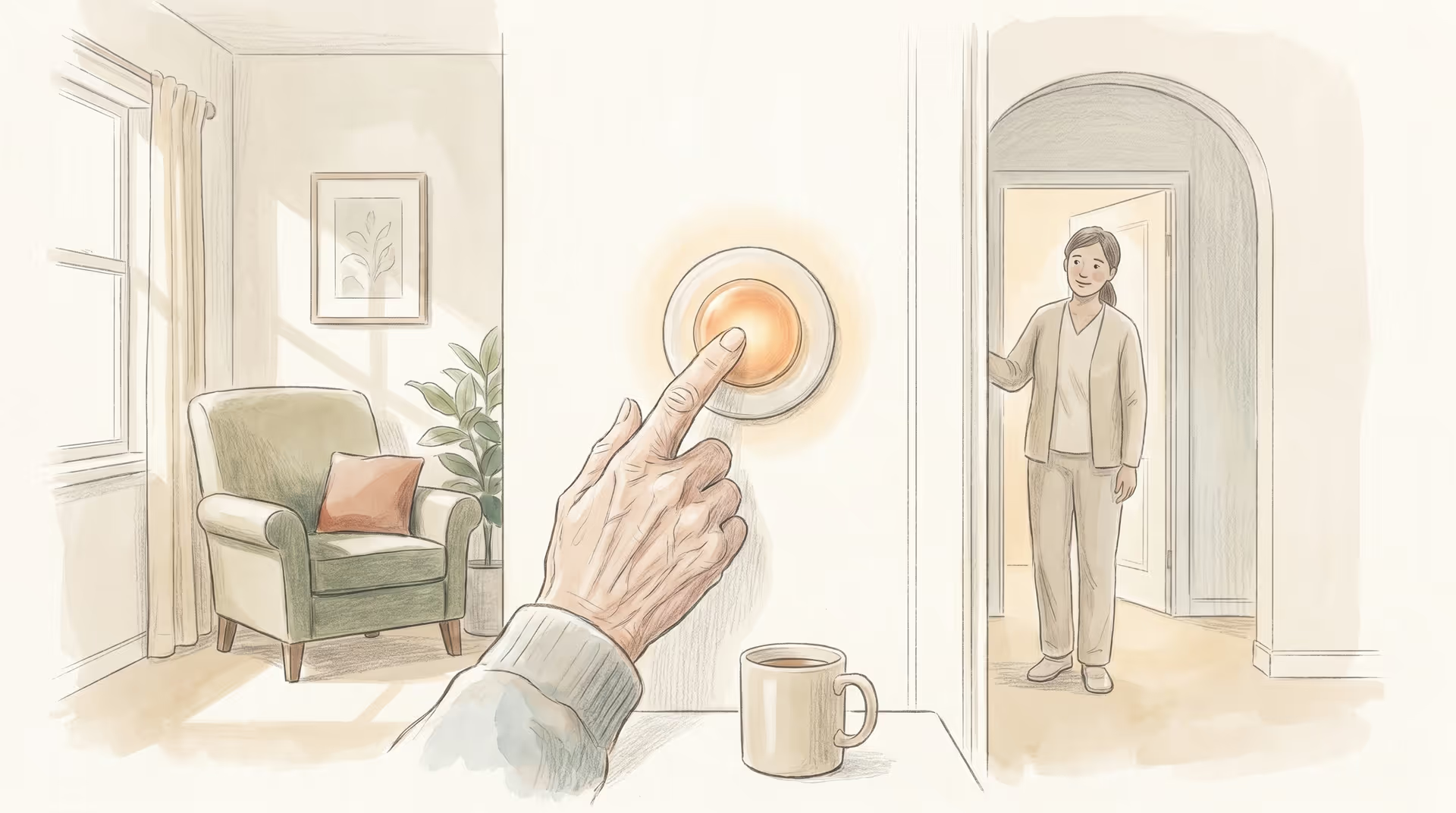
Perhaps the most important function of around-the-clock staffing is the ability to respond immediately when something goes wrong. Whether a resident has a fall, experiences a medical episode, or simply feels unwell in the middle of the night, trained staff are just moments away. Most assisted living communities are also equipped with medical alert systems (including wearable pendants, pull cords in bathrooms, and bedside emergency buttons) so residents can call for help from anywhere in the building.
Safety monitoring and rounds
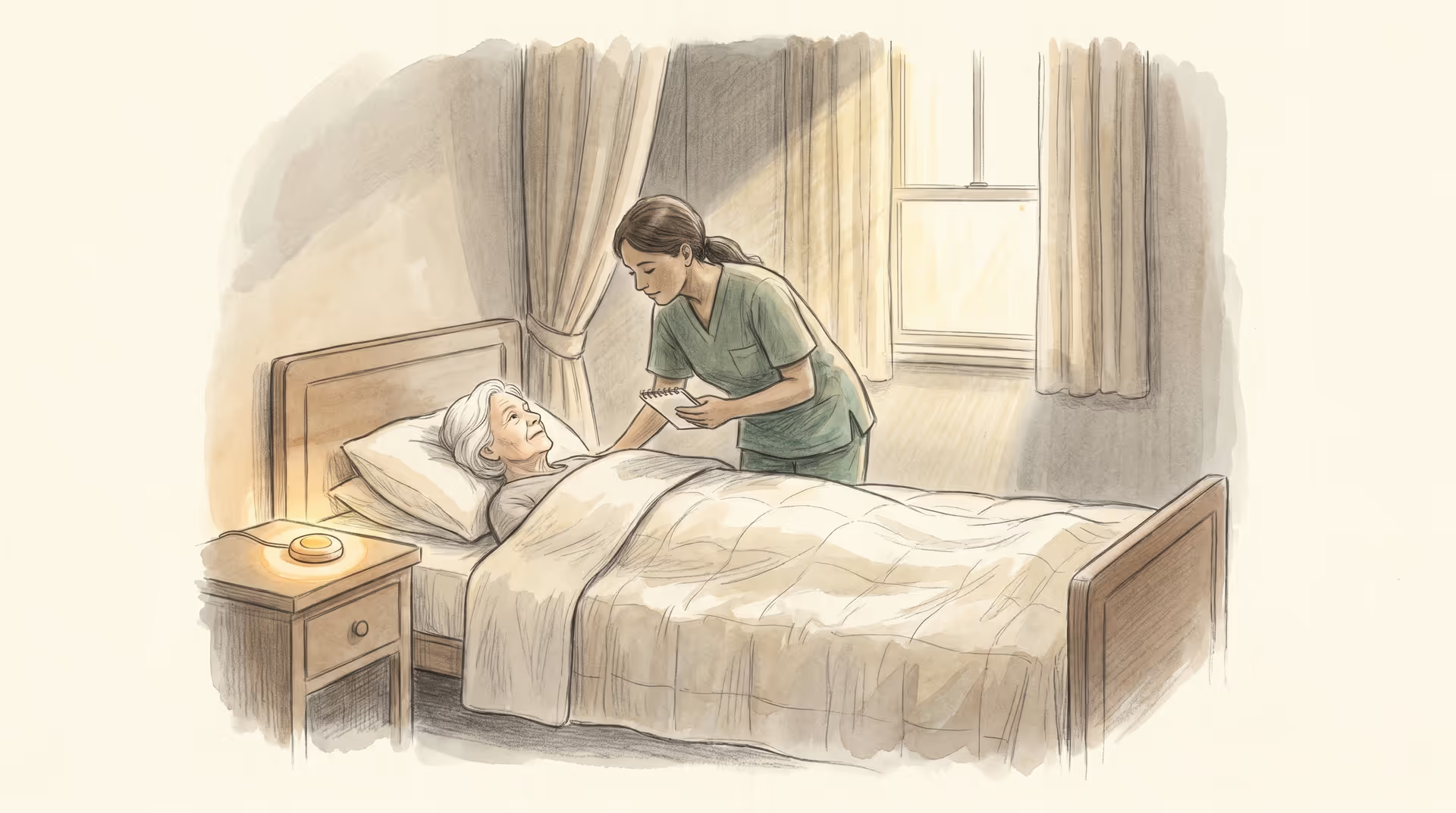
Overnight staff regularly walk the halls and check in on residents to confirm everyone is safe. For residents who are at higher risk (such as those who have recently returned from a hospital stay, those with memory challenges, or those who are new to the community) staff may check in more frequently. Some communities supplement human rounds with technology, including bed sensors that detect if a resident gets up in the night, and wander-guard systems that alert staff if a resident with dementia approaches an exit.
Companionship and emotional support
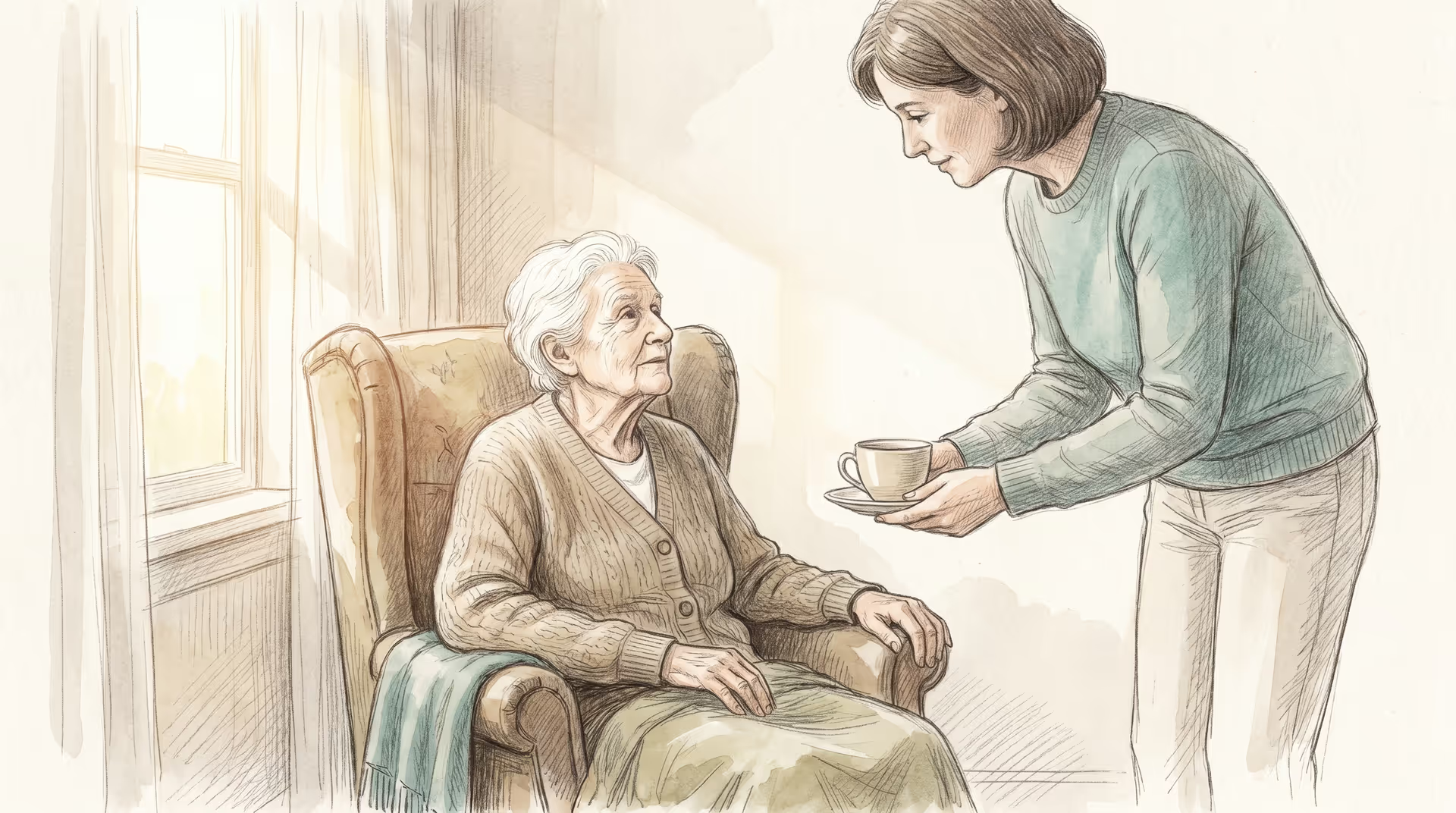
Not every need is physical. Anxiety, confusion, and loneliness can surface at any hour, and having a caring staff member available to sit with a resident, offer reassurance, or simply check in can make a real difference in quality of life. The relationships that develop between residents and caregivers are one of the most meaningful aspects of assisted living, and they don't clock out at night.
How staffing levels may vary
While all licensed assisted living communities maintain 24-hour staffing, the number of staff members on duty, and their qualifications, can vary considerably from one community to another, and even between daytime and overnight hours within the same community.
During the day, when most residents are active and have the greatest need for assistance with ADLs, meals, and activities, staffing levels tend to be highest. In the evenings and overnight, it's common for fewer staff members to be on duty, as residents are generally sleeping and their needs are lighter. This is standard practice in the industry, though the specifics differ from facility to facility.
When evaluating an assisted living community for a loved one, it's worth asking specifically about:
- Staff-to-resident ratios during both daytime and overnight hours
- Whether the ratio includes only direct caregivers or all on-site staff (including dietary, maintenance, and administrative workers)
- Whether licensed medical professionals such as LPNs or RNs are on-site or available by phone
- How the community handles medical emergencies when a licensed nurse is not on the premises
- What technology systems are in place to supplement overnight supervision
Getting clear answers to these questions will help you assess whether a community's staffing model is a good match for your loved one's current needs, and whether it can accommodate potential changes in those needs over time.
Assisted living vs. nursing homes: key differences in 24-hour care
One of the most common points of confusion for families navigating senior care options is the distinction between assisted living and nursing homes (also called skilled nursing facilities). Both provide 24-hour supervision, but the nature of that care is quite different.
Staff qualifications
Federal and state regulations require nursing homes to have licensed practical nurses (LPNs) and registered nurses (RNs) on staff around the clock. These professionals can administer IV medications, perform wound care, manage complex medical conditions, and provide skilled clinical interventions. Assisted living facilities, by contrast, are typically staffed by CNAs and med techs: skilled caregivers, but not licensed nurses in most cases.
Level of medical care
Assisted living is designed for seniors who need help with daily activities but do not require continuous skilled nursing. Nursing homes are appropriate for individuals recovering from surgery, managing serious chronic illnesses, or living with conditions that require daily medical intervention. If your loved one's care needs include complex medical monitoring or skilled therapy services, a nursing home may be the more appropriate setting.
Environment and philosophy
Assisted living communities are typically designed to feel more like home than a medical facility. Residents usually have their own private or semi-private apartments, access to communal dining and social spaces, and a full calendar of activities and events. The philosophy centers on supporting independence and quality of life. Nursing homes often have a more clinical environment oriented around medical treatment.
Cost
Assisted living generally costs less than skilled nursing home care, though prices vary considerably based on location, level of care, and amenities. Families should be aware that Medicaid coverage for assisted living varies by state and is often limited, while Medicare does not typically cover long-term assisted living stays. Long-term care insurance, veterans' benefits, and private funds are among the most common payment methods.
The benefits of 24-hour assisted living for residents and families
For many families, the decision to move a loved one to assisted living with around-the-clock staffing brings a real sense of relief. The benefits extend well beyond the practical; they touch on safety, dignity, connection, and peace of mind for everyone involved.
Safety and faster emergency response
Falls and medical emergencies are among the most serious risks facing older adults, and they don't follow a 9-to-5 schedule. Having trained staff on-site at all hours dramatically reduces the time between an incident occurring and help arriving. For seniors living alone at home, a fall in the middle of the night could go undetected for hours. In assisted living, staff are just moments away.
Peace of mind for families
Family caregivers often describe the exhaustion and anxiety of worrying about a loved one's safety, especially overnight, when they cannot be present. Knowing that a team of trained professionals is watching over their family member around the clock allows family members to sleep, work, and attend to their own lives without constant worry. It also frees family members to simply enjoy time with their loved one, rather than spending every visit focused on caregiving tasks.
Personalized, consistent care
Good assisted living communities develop individualized care plans for each resident and revisit them regularly as needs change. The benefit of having the same staff team present day and night is that caregivers get to know residents deeply: their preferences, routines, quirks, and early warning signs of health changes. This continuity of care means that subtle changes in a resident's condition are more likely to be noticed and acted upon promptly.
Maintained independence and dignity
It may seem counterintuitive, but having access to help enables greater independence. Residents who know that assistance is available whenever they need it are more likely to stay active, engage in community life, and pursue their interests. Residents who might otherwise be afraid to get up in the night or attempt activities that carry some risk can live more confidently knowing that support is always nearby.
Social engagement and community
Isolation and loneliness are serious health risks for older adults. Assisted living communities combat these risks by offering a built-in social environment: shared meals, group activities, outings, and the daily presence of staff and fellow residents. This sense of community doesn't disappear at night; the relationships and connections formed during the day carry through, and residents find comfort in being part of a community where they are known and cared for.
Is 24-hour assisted living right for your loved one?
Not every senior needs the same level of support. Some older adults thrive in independent living with minimal assistance; others require the continuous supervision and care that assisted living provides. Consider it seriously if your loved one:
- Needs regular help with bathing, dressing, toileting, or other ADLs
- Has difficulty managing medications independently
- Has had one or more falls at home
- Is showing signs of cognitive decline, including mild to moderate memory loss
- Lives alone and would be unsafe without regular supervision
- Requires monitoring for a chronic condition such as diabetes, heart disease, or COPD
- Would benefit from social engagement and structured activity
On the other hand, if your loved one is largely independent but would benefit from some support and community, independent living or in-home care may be a better fit. And if your loved one requires intensive medical intervention on a continuous basis, skilled nursing care may be necessary.
A geriatric care manager, your loved one's physician, or a local senior care advisor can be invaluable resources in helping you assess the appropriate level of care. Many assisted living communities also offer free assessments to help determine whether their setting is a good match.
Questions to ask when touring an assisted living community
When you're ready to visit communities, come prepared with specific questions about their 24-hour care model. The answers will tell you a great deal about the quality of care your loved one can expect:
- How many staff members are on duty overnight, and what are their qualifications?
- Is there a licensed nurse on-site at night, or available by phone?
- How does the community handle a resident who falls or has a medical emergency overnight?
- What technology does the community use to monitor residents' safety?
- How are care plans developed, and how often are they updated?
- How does staff communicate between shifts to ensure continuity of care?
- What is the community's staff turnover rate?
- How does the community involve family members in care decisions?
Trust your instincts during these visits. Watch how staff interact with current residents. Notice whether the environment feels warm, clean, and well-run. The details you observe, and the answers you receive, will help you make a confident, informed decision.
The bottom line
Assisted living does provide 24-hour care, in the form of around-the-clock supervision, personal care support, medication management, and emergency response. This level of staffing supports resident safety and wellbeing, and for many seniors and their families, it provides the right balance of support and independence.
What assisted living does not provide is the continuous skilled medical care found in nursing homes. Understanding this distinction is essential to making the right choice for your loved one. If their needs fall in the range between independent living and skilled nursing, assisted living with 24-hour supervision is often the ideal solution: one that honors their dignity, supports their independence, and gives their family genuine peace of mind.
As you navigate this important decision, take your time, ask plenty of questions, and don't hesitate to visit multiple communities before making a choice. The right assisted living community will match your loved one's care needs while supporting their daily routines, safety, and connection to others.
If you have questions about finding the right level of care for your loved one, consider speaking with your family physician, a geriatric care manager, or a local senior care advisor. Many assisted living communities also offer free tours and consultations to help families explore their options.