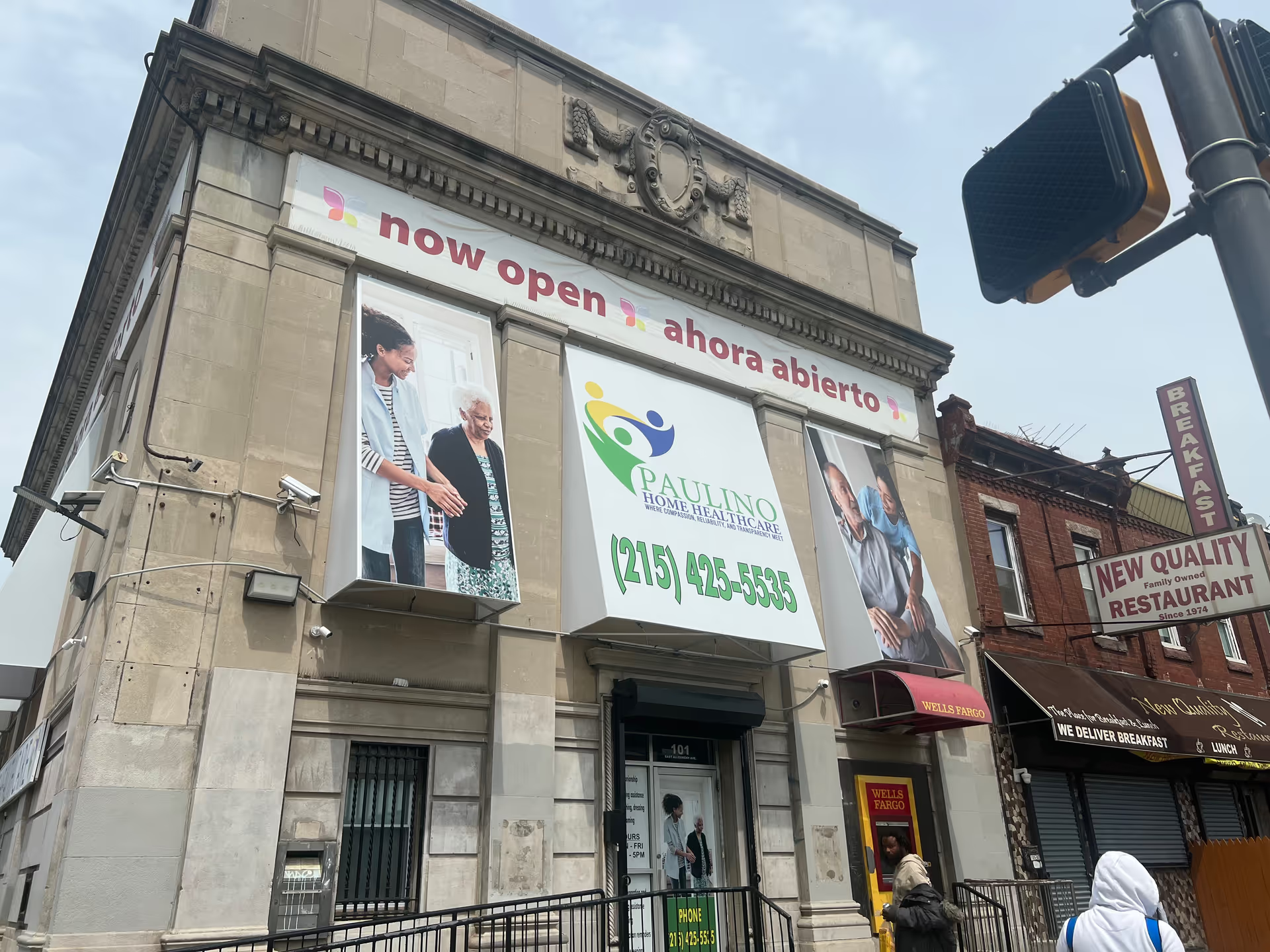
Overall impression: Reviewers present a mixed but instructive picture. Many families praise the quality of direct care staff and the agency’s intake coordinators, while a set of operational weaknesses—most notably around scheduling, office responsiveness, and payroll—appears to create uneven client experiences.
Caregiver quality: A large portion of feedback emphasizes caregivers’ compassion, professionalism, and approachability. Multiple reviewers described long-term relationships with assigned aides and named staff who were viewed as dependable and attentive. Caregivers are also credited with helping families navigate clinical and logistical tasks, offering language support in Spanish, and assisting with referrals or paperwork. These strengths suggest a core competency in caregiver training and client rapport.
Office communication and coordination: Experiences with office staff and case coordinators are polarized. Several reviewers singled out specific coordinators for proactive communication, timely follow-up, and effective problem resolution; these staff members are an evident asset. Conversely, other families reported difficulty reaching management, slow or absent follow-up, and a general lack of responsiveness. This inconsistency in administrative communication appears to be a primary driver of dissatisfaction when problems arise.
Reliability and scheduling: Scheduling reliability is inconsistent across reviews. Some clients describe punctual, reliable coverage and smooth onboarding, while others experienced missed shifts, last‑minute staffing changes, or extended periods alone during the day. In some cases requested aides were not honored. These patterns point to gaps in staffing backup procedures and assignment continuity that can affect client safety and family trust.
Billing and management: Financial and managerial issues surfaced in a subset of reviews. There are specific concerns about payroll and billing accuracy that have led to financial stress for at least one family (including bank overdraft consequences), and mentions of supervisor turnover and management instability that can complicate escalation and resolution of problems. These operational weaknesses may undermine otherwise positive caregiver interactions.
Safety and conduct concerns: While most feedback about caregivers is positive, a small number of reviews describe serious individual incidents—framed here as concerns about caregiver conduct and handling of personal‑care hygiene—that families found unacceptable. There are also references to household‑property incidents; these are described as isolated allegations but merit careful inquiry during the hiring and monitoring process.
What to expect and recommended due diligence: Prospective clients can expect access to compassionate, multilingual caregivers and strong individual coordinators, but should be prepared to verify operational details. Recommended questions include: how the agency handles last‑minute coverage, continuity of caregiver assignments, payroll and billing reconciliation procedures, escalation paths for conduct or safety concerns, and who the consistent points of contact are. Asking for names of likely caregivers and written confirmation of schedules and billing cycles can help mitigate the recurring operational risks noted in reviews.