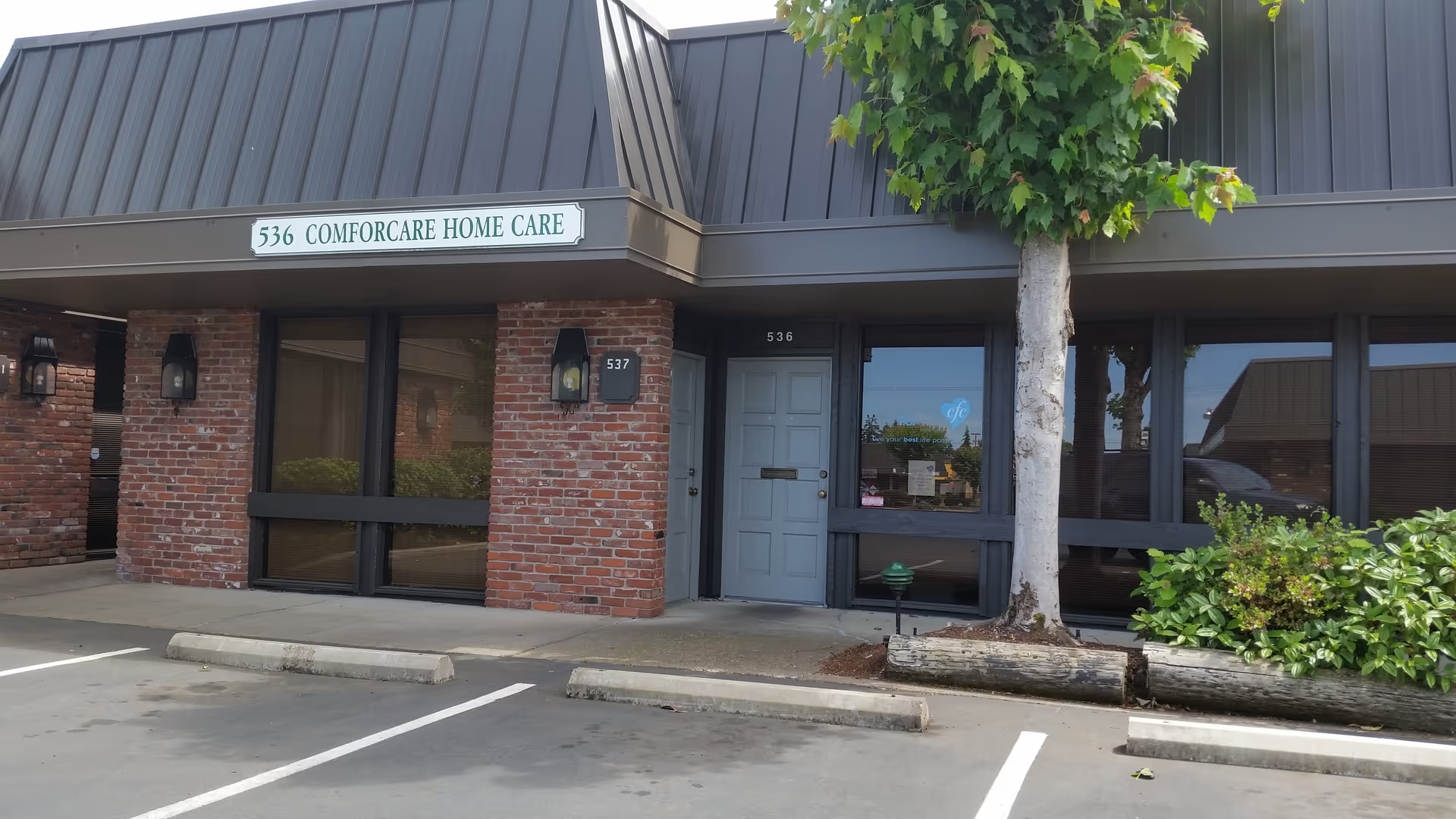
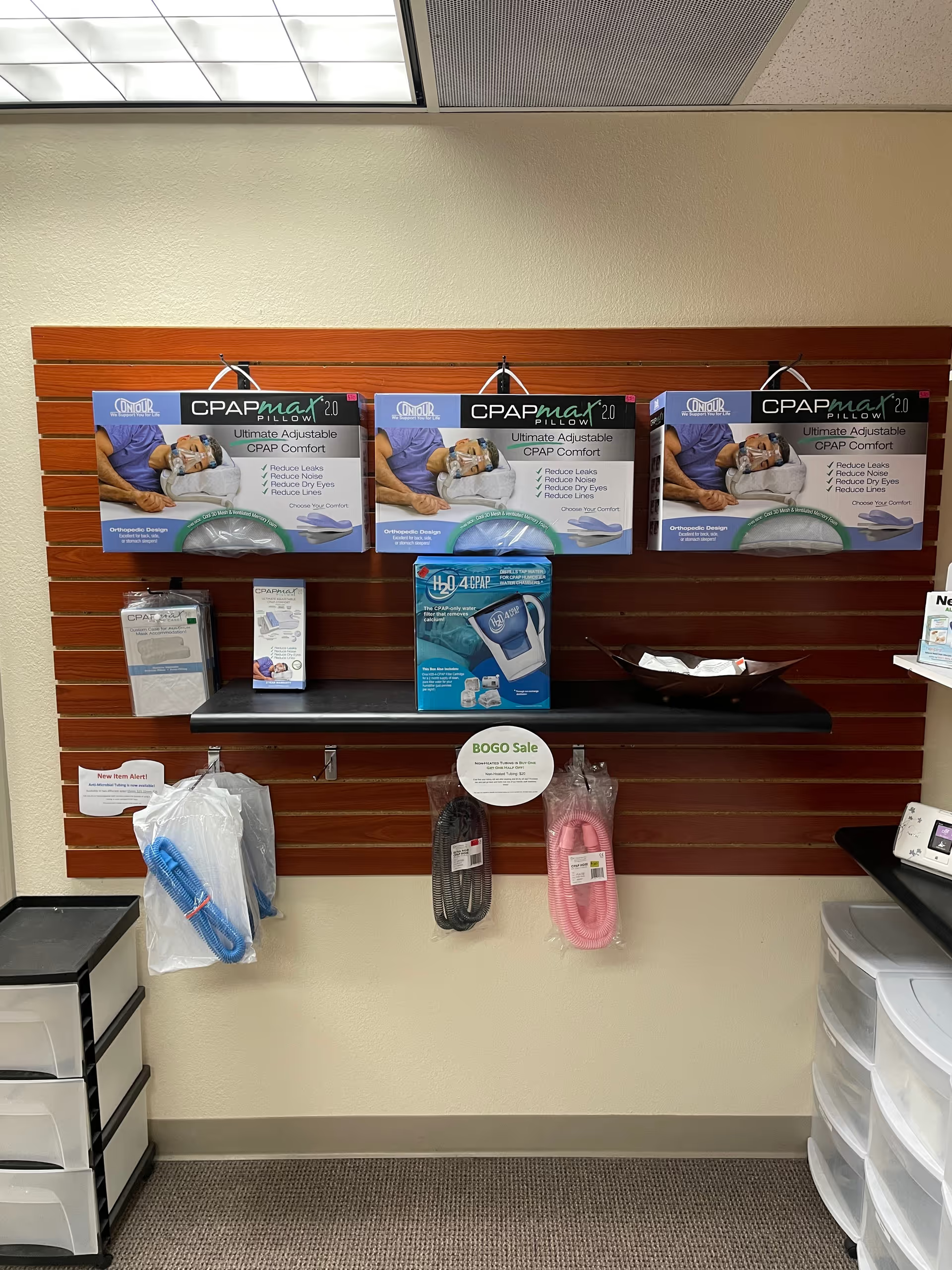
Overall impression: Reviewers present a mixed but informative picture. Many families highlight strong, hands-on caregiving—staff are described as compassionate, friendly and professional, and several accounts emphasize the agency's ability to provide useful, practical solutions in the home setting. At the same time, there are consistent operational themes that warrant attention, particularly around communication, complex wound expertise, and supply coordination.
Caregiver quality: The agency receives repeated praise for the demeanor and bedside manner of its caregivers and nurses. Reviewers note compassionate interactions, clear explanations of treatments, and examples of caregivers problem-solving at the bedside. This suggests a generally high level of person-centered care for routine and supportive needs. However, some feedback describes variability when clinical complexity increases; reviewers expressed concern about the agency’s capacity to manage advanced wound-care needs in certain cases, indicating uneven clinical depth across assignments.
Office communication and reliability: Communication from the office is a clear area of divergence. Several reviewers describe responsive, helpful communication and timely callbacks, while others report unreturned calls, lack of follow-up, and difficulty getting concerns addressed. This inconsistency affects perceived reliability: when the office is responsive, scheduling and supply delivery are seen as strong supports; when it is not, families experience frustration and uncertainty.
Scheduling, supplies, and logistics: Flexible scheduling and in-home supply delivery are repeatedly cited as important strengths—one reviewer described supply delivery as a critical convenience. Conversely, supply-coordination issues and vendor delays are also noted, which can undermine timely care. Families would benefit from clear confirmation processes for appointments and a more consistent supply-chain workflow.
Value and management: Reviewers indicate value in having competent, compassionate staff and practical in-home solutions, particularly for ostomy management. There are fewer explicit comments about billing, but logistical gaps (communication lapses, supply delays) reduce perceived value for some clients. Management practices around incident handling and rebuilding trust after adverse events emerged as a concern in at least one account; that suggests opportunities for clearer complaint resolution protocols and proactive family communication.
Notable patterns and recommendation: The dominant patterns are strong interpersonal caregiving and useful in-home services paired with inconsistent administrative follow-through and limits in advanced wound-care capacity. Prospective clients and families seeking compassionate routine care and ostomy support may find the agency appropriate; those requiring complex wound management should confirm clinical capabilities and escalation pathways in advance. Also ask about the agency’s standard processes for callbacks, appointment confirmations, and supply delivery to reduce the likelihood of the operational gaps described above.