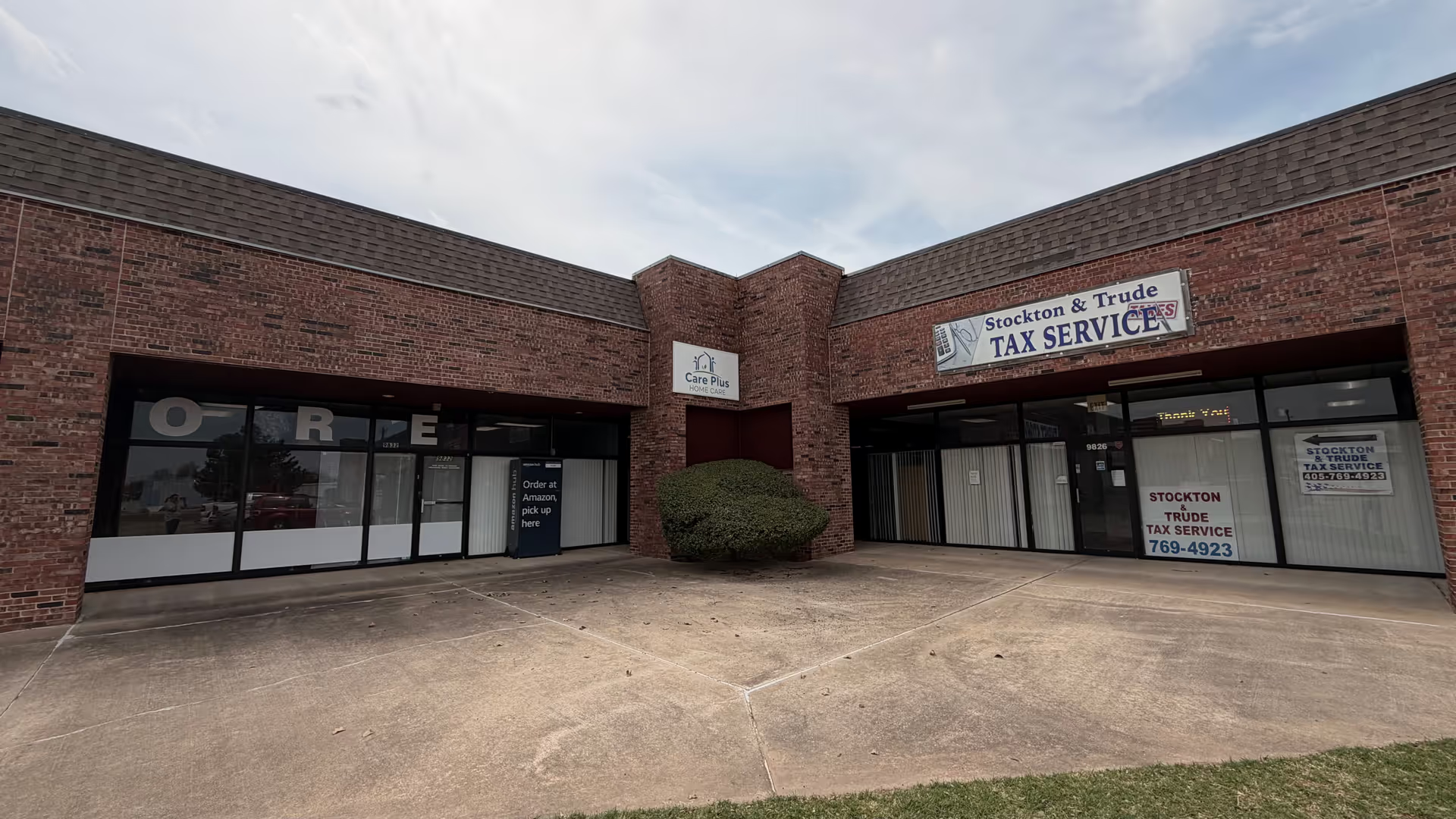
Caregiver quality appears to be a relative strength for this agency. Multiple summaries highlight warm, friendly, and caring aides, with comments about long-tenured staff and competent service during shifts. For families who experience the stable side of the operation, caregivers provide reliable, respectful hands-on assistance and positive interpersonal interactions.
At the same time, there is a consistent pattern of office-level problems that affects overall client experience. Several items describe difficulty reaching the office, nonresponsive staff, incorrect contact information, and unhelpful explanations of program details. One account described a serious coordination lapse that affected a client's housing arrangement; that example underscores how administrative gaps can have significant consequences for families who rely on timely, accurate information.
Reliability and scheduling are uneven. Repeated no-shows, broken promises, and unresolved scheduling issues are cited, and at least one family chose to switch providers as a result. These patterns suggest weaknesses in shift coverage, backup staffing, and operational follow-through rather than isolated caregiver performance. Prospective clients should seek clear commitments about backup coverage and escalation procedures before enrollment.
There is limited direct feedback about billing or perceived value in these summaries. Given the split between positive caregiver comments and documented administrative/management concerns, value assessments may vary: some families benefit from capable, experienced aides, while others are affected by service disruptions and communication breakdowns. Notable patterns are the contrast between generally well-regarded frontline caregivers and recurring office/management shortcomings; families should verify office responsiveness, confirm primary contact paths, and request written contingency plans to mitigate the administrative risks described.