Overall impression: The reviews present a mixed but largely positive view of caregiver quality and office professionalism, with notable variability at the branch level. Many comments emphasize respectful, empathetic caregivers and an office team that communicates effectively and presents a professional approach to home-care coordination. At the same time, one or more operational issues — most notably a closed location and service unavailability at that site — suggest inconsistency in geographic coverage and branch continuity.
Caregiver quality: Reviewers consistently characterize caregivers as polite, understanding, and caring, with individual aides described as going "above and beyond." The language used implies good caregiver-client rapport, attentiveness to client needs, and a team ethos oriented toward advocacy for seniors. These characterizations point to strength in hiring, training, or caregiver selection that produces warm, client-focused interactions.
Office communication and management: Office-level communication receives positive mention; reviewers describe "amazing communication" and a "professional office." Leadership also appears engaged with home-care objectives, with statements about passion for home care and advocacy for seniors. These comments suggest an administrative team that is accessible and proactive in caregiver coordination and family communication.
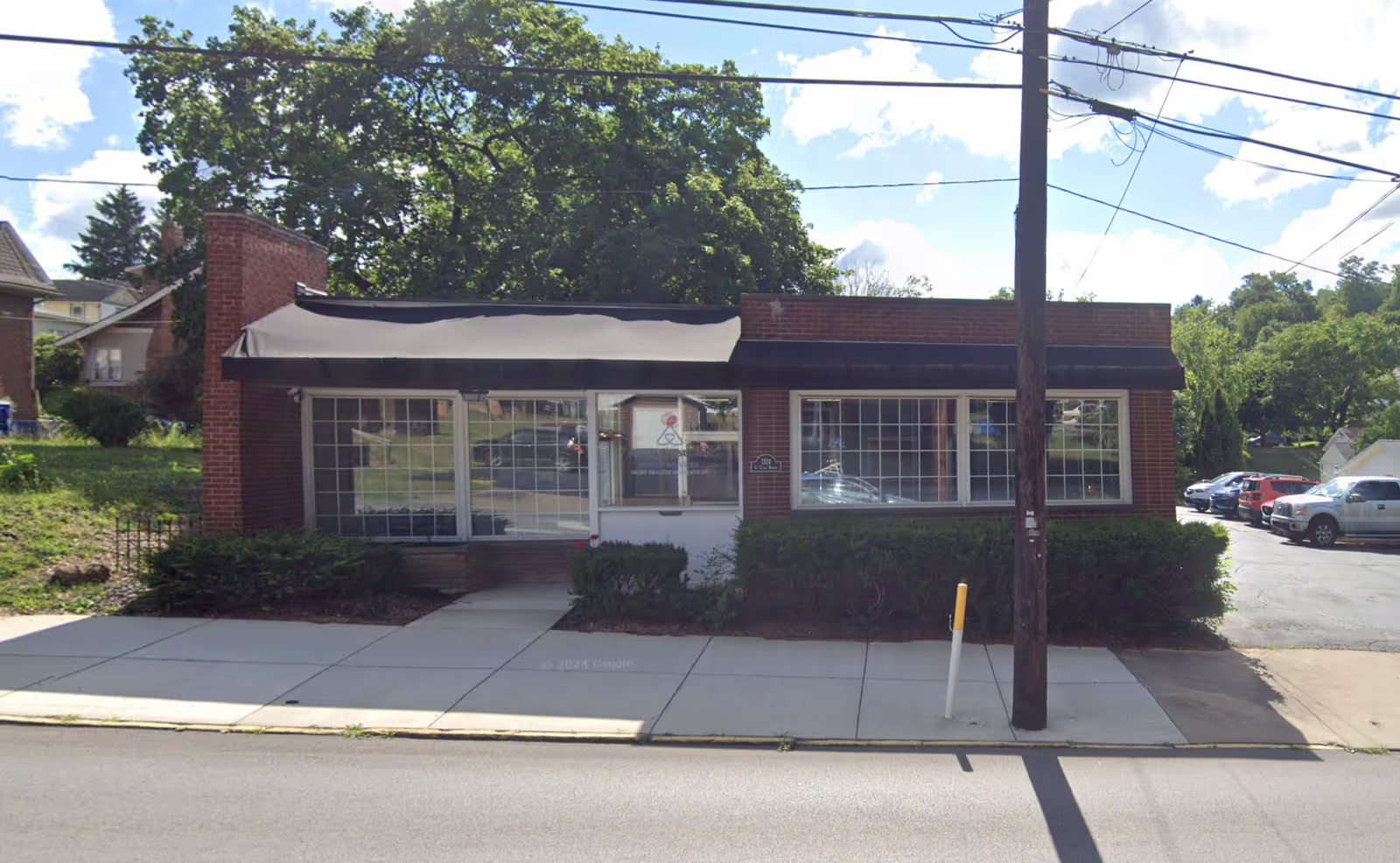
Reliability, scheduling, and service availability: While individual shifts and caregiver performance are praised, there is a clear operational concern about local availability and branch stability. A closed office and a storefront marked for rent indicate a disruption in service coverage for that area. This pattern suggests the agency may have uneven geographic availability or that branch-level continuity can fluctuate; prospective clients should confirm current service coverage and contingency plans for office closures.
Billing, value, and unresolved dissatisfaction: Direct commentary about billing or pricing is limited; several reviewers express overall satisfaction and perceive the service as meeting or exceeding expectations, which suggests a favorable value perception among those clients. However, there is at least one strong, unspecified negative comment without detail. Because that comment lacks context, it should prompt prospective clients to ask about the agency's complaint resolution process and how isolated concerns are tracked and addressed.
Notable patterns and recommendations: The strongest, recurring positives are caregiver warmth, advocacy for seniors, and responsive office communication. The main operational risk is variability between branches and potential service gaps in particular locales. Prospective clients should verify current local availability, ask about backup caregiver coverage and office continuity, and request examples of how management handles service disruptions and client complaints before enrolling.