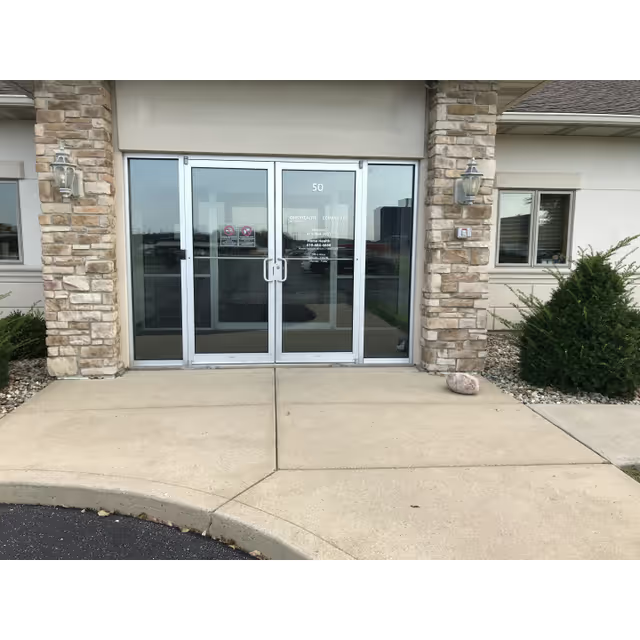
Overall impression: The reviews present a mixed picture. Several accounts highlight compassionate, professional nurses and friendly caregivers who can be responsive on short notice and supportive to clients and families. At the same time, there are recurring operational concerns that affect trust and reliability for prospective clients.
Caregiver quality: Many reviewers praised the clinical competence and bedside manner of nursing staff, describing them as caring and professional. Counterbalancing those positives are multiple statements about inattentiveness during shifts (for example, caregivers being on personal phones or not performing assigned duties) and more serious claims about intimidating or impaired behaviors by individual caregivers. The latter are framed here as allegations that merit direct follow-up with the agency and, if appropriate, with regulators.
Office communication and management: A common operational weakness is poor responsiveness from the office. Reviews cite unanswered calls, lack of updates, and limited follow-through on family inquiries. These communication gaps appear to compound other problems (scheduling, reliability, and perceived transparency) and are a frequent source of frustration for families seeking timely information.
Reliability and scheduling: The agency appears to offer useful scheduling flexibility, including last-minute coverage in some cases, which families found valuable. However, reliability is uneven. Several comments point to missed shifts, inconsistent aide availability, and an overall unpredictability in coverage. This pattern suggests that while the agency can be flexible, it may struggle with consistent staffing or guaranteeing coverage.
Value and trust: Positive experiences emphasize that the agency provided good clinical judgment and compassionate care, which families valued. Negative experiences—particularly those involving no-shows, lapses in attentiveness, or communication failures—undermine perceived value. Trust and transparency concerns (for example, accusations of inaccurate reporting or withholding updates) were noted and may significantly affect family confidence.
Management and operational practices: Reviewers identified lapses in on-site professionalism and premises upkeep, such as disregard for site cleanliness or appearance, which convey broader operational inconsistencies. Combined with office responsiveness issues and staffing irregularities, these items point to areas where management oversight could be strengthened.
Notable patterns and practical advice: The pattern is one of strong, positive clinical interactions for many clients, alongside operational variability that can produce serious concerns in isolated cases. Prospective clients should confirm staffing guarantees, ask about caregiver screening and supervision, request written communication protocols, and clarify contingency plans for missed shifts. If allegations of impaired or unsafe caregiver behavior are a concern, request the agency's policies for incident reporting and escalation so families can evaluate risk mitigation measures.