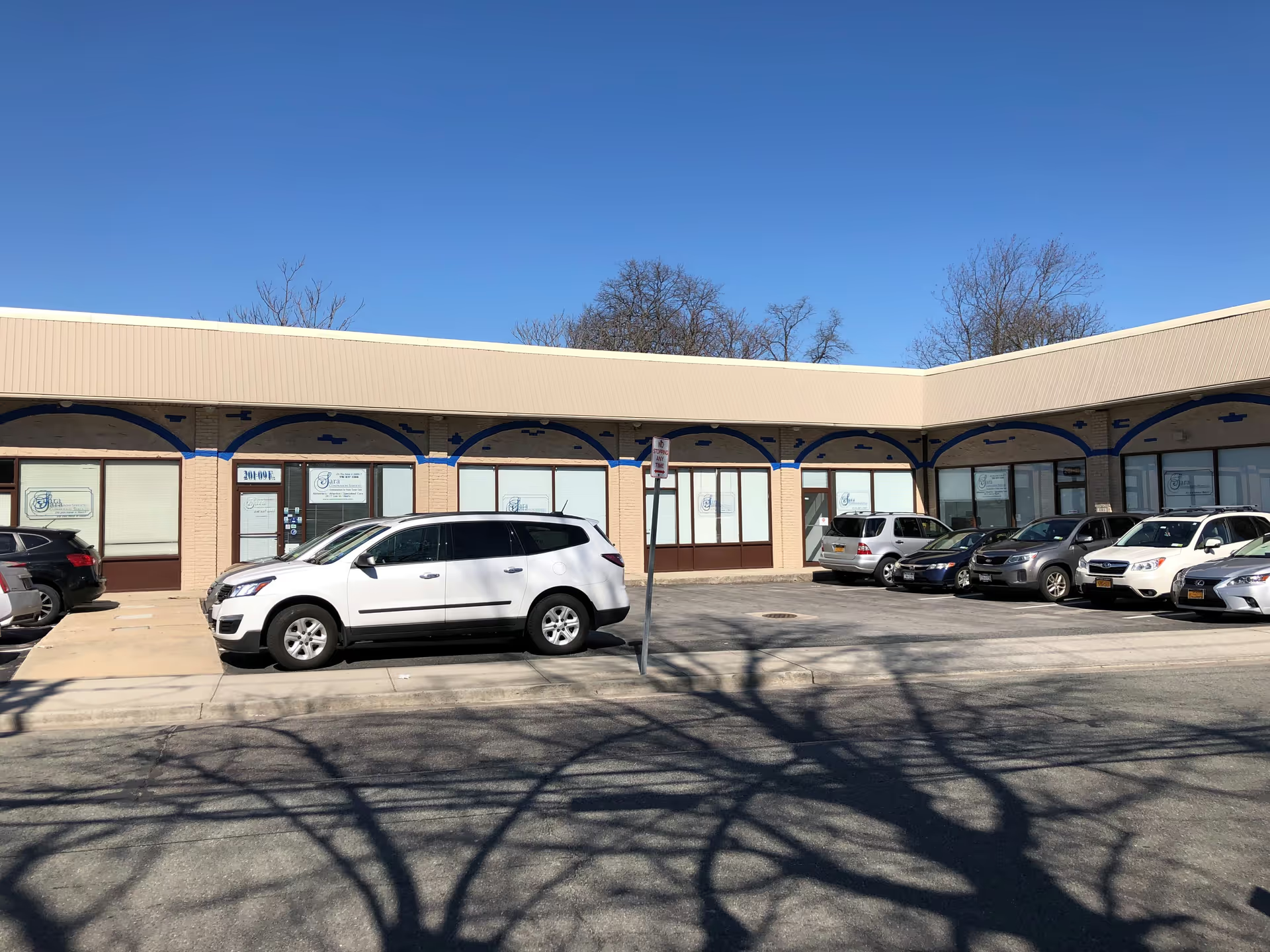
Across the reviews, clinical care and caregiver quality are the agency’s strongest features. Review content consistently highlights warm, respectful caregivers and clinicians who are described as skilled, knowledgeable, and hands‑on. Many patients attribute measurable clinical gains to the therapy they received—reduced pain, improved range of motion, and restored function—often tied to individualized exercise instruction, consistent goal tracking, and modalities such as manual therapy and electrostimulation. The atmosphere in most locations is described as welcoming, comfortable, and professionally run, with frequent praise for cleanliness and up‑to‑date equipment.
Office operations receive mixed feedback. A large portion of reviews praise the reception teams for being organized, friendly, and proactive with appointment reminders and intake; however, there are recurring notes of communication gaps and uneven front‑desk conduct. Specific operational concerns include poor follow‑up on administrative issues, occasional misleading information, and delays in billing or refund processing. These items suggest variability in office communication and administrative workflows that can affect the overall experience even when clinical care is strong.
Reliability and scheduling similarly show a dual pattern. Many patients value flexible scheduling, short waits, and convenient parking that make attendance straightforward. At the same time, constraints on provider availability—including scheduling limited by the same therapist’s availability—and instances of last‑minute cancellations were reported. Insurance authorization and related start‑date delays were also mentioned as contributors to late treatment starts or interrupted care. These patterns point to a need for clearer scheduling policies and better contingency coverage to reduce disruption.
In terms of value and management, outcomes and patient satisfaction indicate that clinical care is generally effective and offers good value when treatment proceeds as planned. Management strengths include cohesive clinical teams, cleanliness, and coordinated care pathways. Areas for improvement that emerge from the review set are administrative consistency and transparency: updating online staff information, standardizing front‑desk training and communication protocols, improving billing/refund turnaround, and strengthening backup coverage when primary therapists are unavailable. Addressing these operational items would better align the strong clinical reputation with a consistently reliable administrative experience.