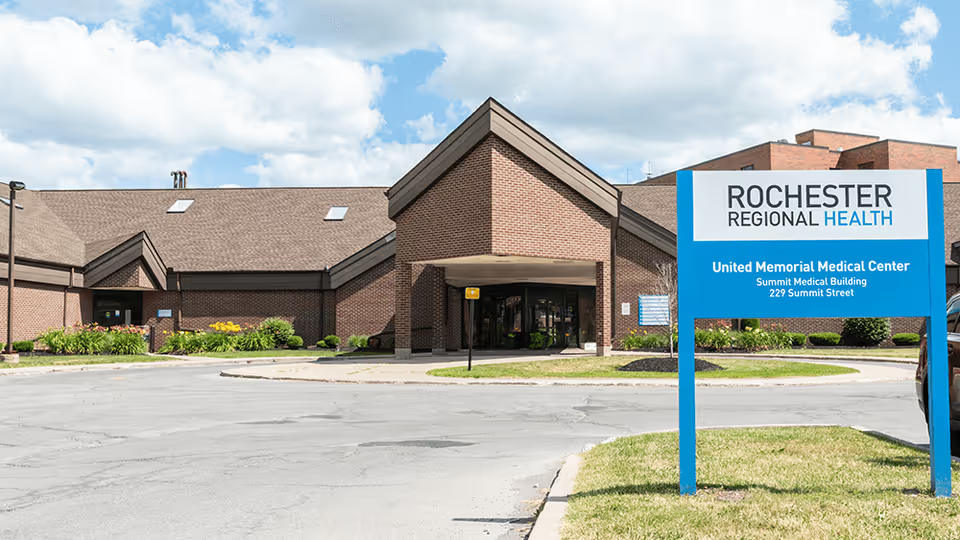
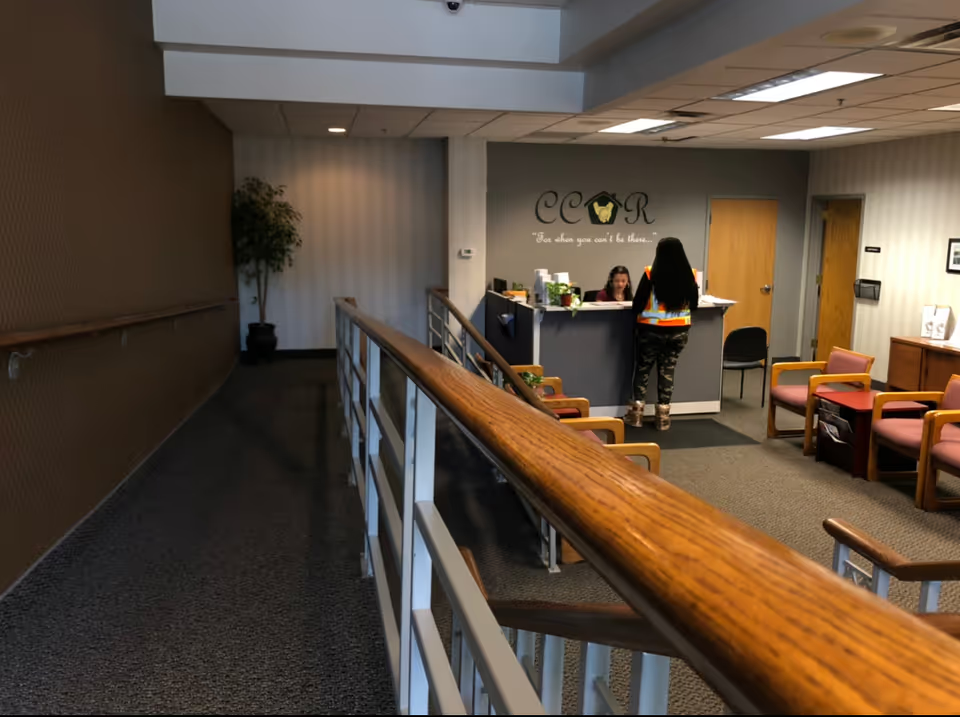
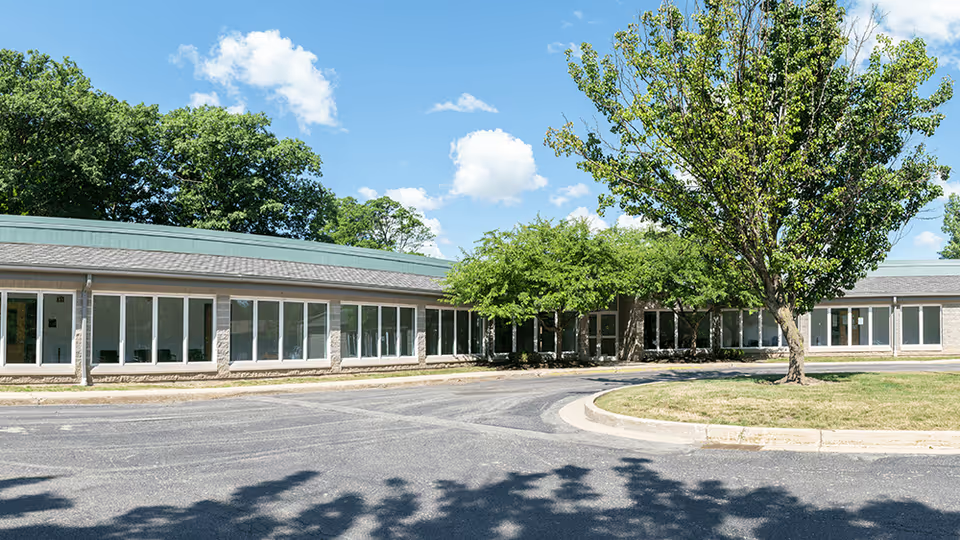
Across the collected summaries, a clear strength is the direct caregiving staff: nurses, CNAs and aides are frequently described as compassionate, attentive, and skilled, and many families express gratitude for the supportive environment. The facility itself is noted as clean and well maintained, with engaging activities and a visible security presence that contributes to a veteran-focused atmosphere. For prospective clients, these elements suggest a generally warm culture of care and active programming for residents.
At the same time, the reviews describe operational weaknesses that appear to affect the consistency of the resident experience. Several comments point to staffing shortages and variability in care quality; when staffing levels are strained, families perceive impacts on safety and day-to-day reliability. That pattern suggests the agency may struggle at times with shift coverage and consistent caregiver assignments, which can lead to uneven outcomes depending on time of day or staffing mix.
Communication and management practices are another recurrent theme. Complaints about involuntary room reassignments and restrictions on family access indicate that policies or decision-making processes around moves and visitation can be handled in ways that create emotional distress for families. Office interactions around billing are described as awkward, which points to a need for clearer, more transparent billing communication and customer-service responsiveness. These issues are operational in nature and could be mitigated through clearer policies, family-notification protocols, and improved billing workflows.
Regarding scheduling flexibility and reliability, the information suggests potential constraints: staffing shortages imply that flexibility for changes or special requests may be limited at times. Families valuing predictable schedules and consistent caregiver assignments should seek clarification from management about typical staffing levels, contingency plans for coverage, and how caregiver continuity is maintained.
In terms of value, impressions are mixed but lean positive when care is delivered by the praised staff and the environment matches expectations. However, variability in care reliability and concerns about administrative communication reduce predictability of the overall experience. For families considering this agency, the notable patterns are: strong front-line caregiving and facility upkeep, coupled with organizational issues around staffing, room-move policies, family access, and billing communication. Asking specific questions about staffing ratios, visitation policies, room reassignment procedures, and billing practices during intake would help set expectations and reduce the likelihood of the negative situations described.