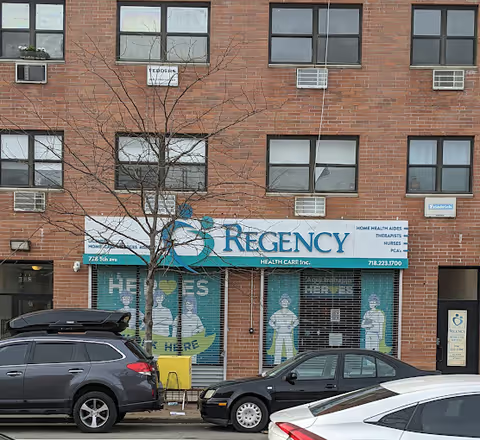
Reviewers convey a mixed but broadly appreciative view of the caregiving itself. Caregivers are described as compassionate and helpful, with families characterizing the service as a meaningful support and, in at least one case, a significant benefit to a veteran. These positive impressions point to strengths in bedside manner, practical assistance, and the emotional value the caregiving team provided to families.
At the agency level, summaries identify clear operational weaknesses. Several reviewers described a lack of visible management or supervisory presence, along with minimal pre-visit coordination. Caregivers were at times sent to clients without receiving up-to-date briefings or office-provided updates, which creates avoidable uncertainty at the start of shifts and can complicate continuity of care.
Reliability and scheduling are somewhat ambiguous in these summaries: caregivers appear to have been dispatched and performed satisfactorily when present, but the absence of consistent communication and pre-shift handoffs raises questions about how reliably the office manages assignments and prepares staff. There is limited information about billing practices and formal scheduling flexibility; however, families' overall willingness to recommend the service suggests perceived value despite administrative shortcomings.
For prospective clients and family decision-makers, the notable pattern is a contrast between strong caregiver-level interactions and weaker office systems. If considering this agency, inquire specifically about supervisory oversight, pre-visit briefing procedures, and protocols for shift updates so you can assess whether the operational practices meet your expectations while retaining the apparent strengths in caregiver compassion and family support.