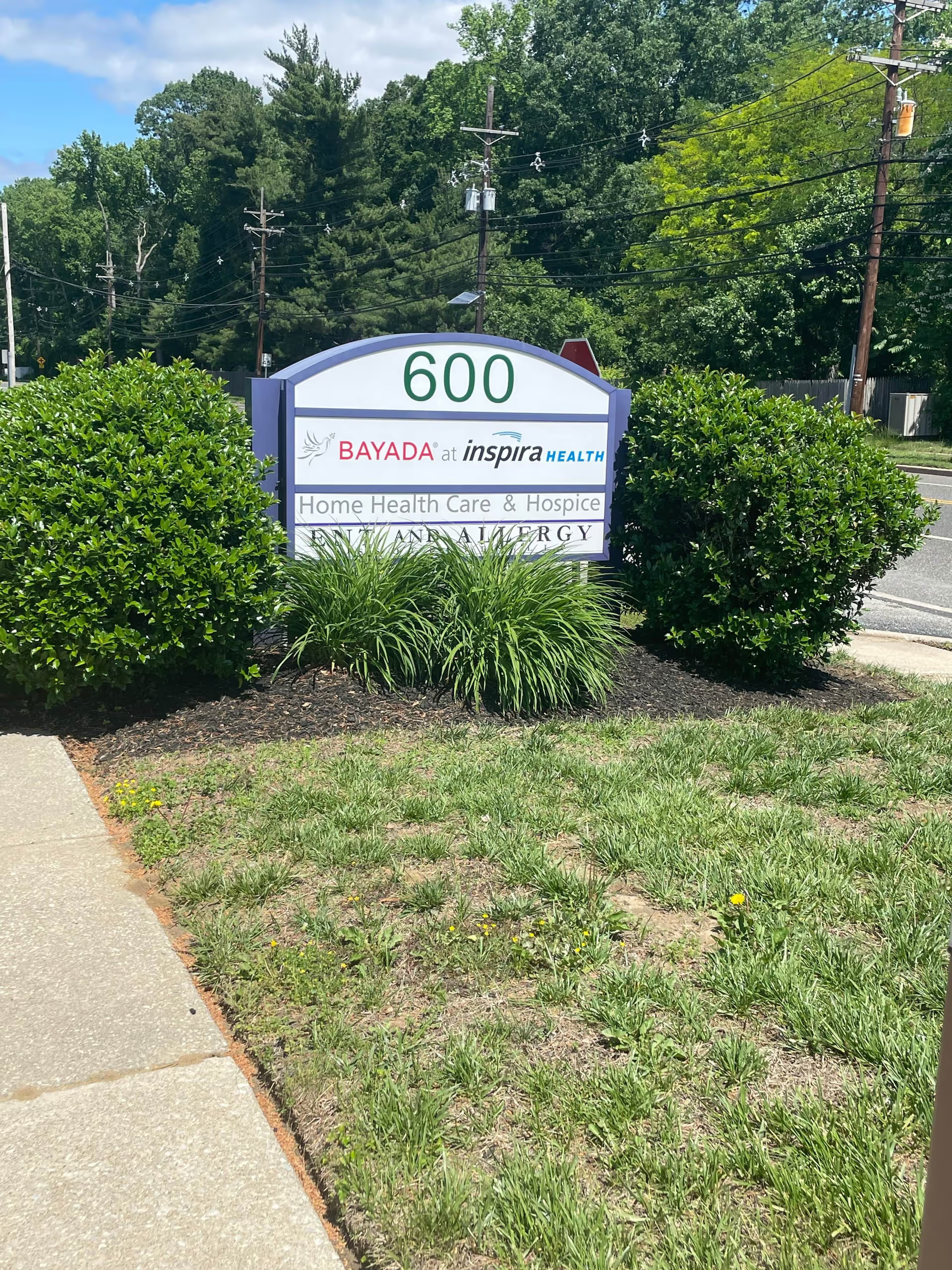
Overall impression: The reviews depict an agency that provides strongly person-centered hospice and palliative care for many families. Strengths repeatedly cited include warm, respectful caregivers who prioritize dignity and comfort, comprehensive emotional and spiritual support through chaplains and grief counselors, and active social-work and liaison involvement to help navigate facility transfers and care planning. Many families described clear explanations of prognosis, helpful reading materials, and guidance that facilitated meaningful time with their loved one.
Caregiver quality and clinical capability: Caregiver compassion and attention to comfort are prominent themes. Reviewers frequently praised aides and nurses for being gentle, present, and respectful during end-of-life care. The agency’s hospice and palliative expertise—and its ability to coordinate with hospital teams and nursing facilities—was noted as a strength. At the same time, a subset of reviews indicated variability in clinical skill and oversight; these accounts suggest gaps in consistent training and supervisory checks that can affect clinical performance and caregiver conduct.
Communication, reliability, and scheduling: Communication and responsiveness are described positively in many accounts—families note accessible liaison staff, prompt on-call responses, and timely nurse visits in urgent situations. The agency also appears to offer flexible scheduling and effective respite stays for families in need. However, several reviewers described delays or difficulties with after-hours answering-service triage and slower-than-expected nurse response times in some instances. There are also mentions of occasional scheduling or shift-coverage delays. These mixed signals point to generally good day-shift responsiveness paired with uneven after-hours and backup coverage processes.
Operational management, supplies, and value: Families commonly expressed gratitude and would recommend the agency, indicating perceived high value for the services received. The organization’s strength in holistic support—chaplaincy, social work, liaison coordination, and aftercare outreach—contributes to that perception. Areas for operational improvement include more reliable provisioning and maintenance of equipment and supplies and clearer follow-up processes for unresolved issues. Addressing training consistency, strengthening after-hours triage, and standardizing supply logistics would help align the occasional negative experiences with the otherwise positive pattern of care.
Notable patterns: The dominant pattern is one of compassionate, attentive hospice and palliative support with strong family-centered communication during normal hours and effective spiritual and bereavement services. A smaller—but meaningful—pattern of concerns centers on inconsistent clinical oversight, answering-service triage, and supply/equipment reliability. Prospective clients should weigh the agency’s strong person-centered strengths against these operational variability indicators and ask specific questions about after-hours triage, equipment provision, and caregiver supervision when evaluating services.