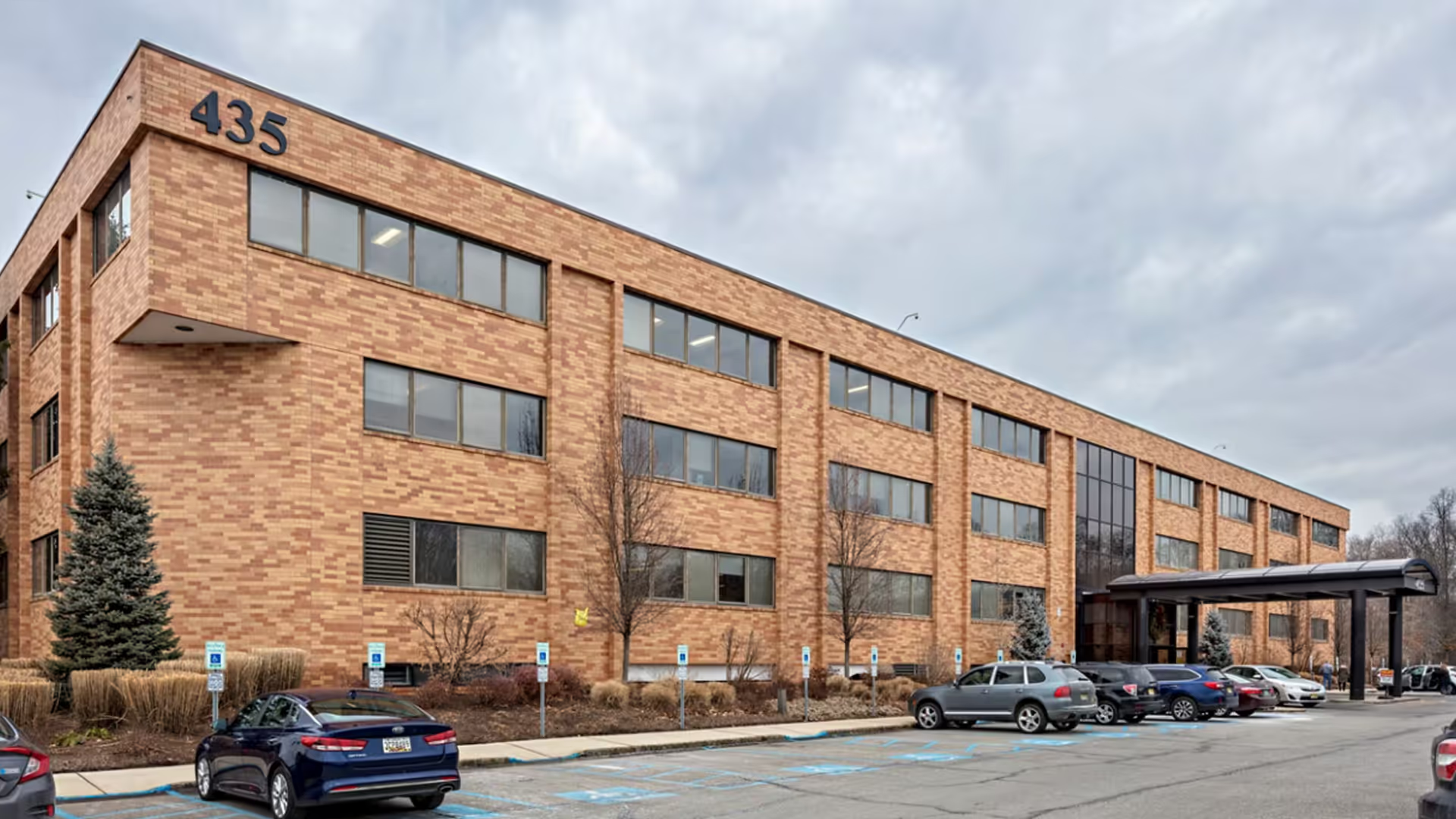
The Visiting Nurse Association of Northern New Jersey demonstrates clear clinical strengths alongside recurring operational weaknesses. Strengths are concentrated in therapy and hospice services: reviewers consistently praise physical and occupational therapists for effective, recovery-focused plans, tangible mobility gains, and supportive education for patients and families. Wound care and certain nursing interactions receive positive mentions for knowledge and timely clinical competence. Hospice and palliative teams are frequently described as compassionate and stabilizing during end-of-life care, with several accounts noting steady caregiver presence and meaningful family support.
Caregiver quality is uneven. Many families highlighted individual caregivers and clinicians who were professional, empathetic, and technically skilled; these staff members often improved patient comfort and functional outcomes. At the same time, other accounts describe caregivers who did not complete expected duties, showed limited competence for specific tasks, or behaved in ways families perceived as uncaring. This variability suggests strong individual performers within an overall workforce that is not uniformly trained or supervised to the same standard.
Operationally, communication and reliability are the most frequent concerns. Reviews point to unreturned calls from the office, scheduling confusion, missed or late visits, and delays delivering equipment or initiating services. Those operational breakdowns have clinical consequences in some cases — delayed therapy starts, interrupted wound or ostomy-related care, and family stress. Several comments also describe management that does not follow up effectively when problems are raised, creating a perception of limited accountability.
Staffing and on-call coverage form a related pattern. There are reports of last-minute cancellations, no holiday coverage, and broader staffing shortages that contribute to inconsistent shift coverage. While on-call availability is listed among the agency's strengths by some families, there are notable instances where on-call responsiveness failed during critical or end-of-life situations; those events amplified family concerns about safety and oversight. In addition, a few families questioned visit length relative to cost, and a small number described a mismatch between the agency’s marketing/assessment and the services actually delivered.
For prospective clients and families: the agency appears well-suited when paired with its stronger clinicians — particularly for home rehabilitation, wound care, and hospice support. To reduce risk, ask the agency for specifics before care begins: confirm expected visit windows and contingency plans for missed shifts, clarify equipment delivery timelines, verify who will be assigned and their competencies for required tasks, and review on-call escalation protocols for urgent or end-of-life needs. Document agreements about visit length and billing to address value concerns. If consistent scheduling and rapid office responsiveness are primary priorities, families should confirm those operational details in writing and consider alternate providers if the agency cannot demonstrate reliable systems in their case.