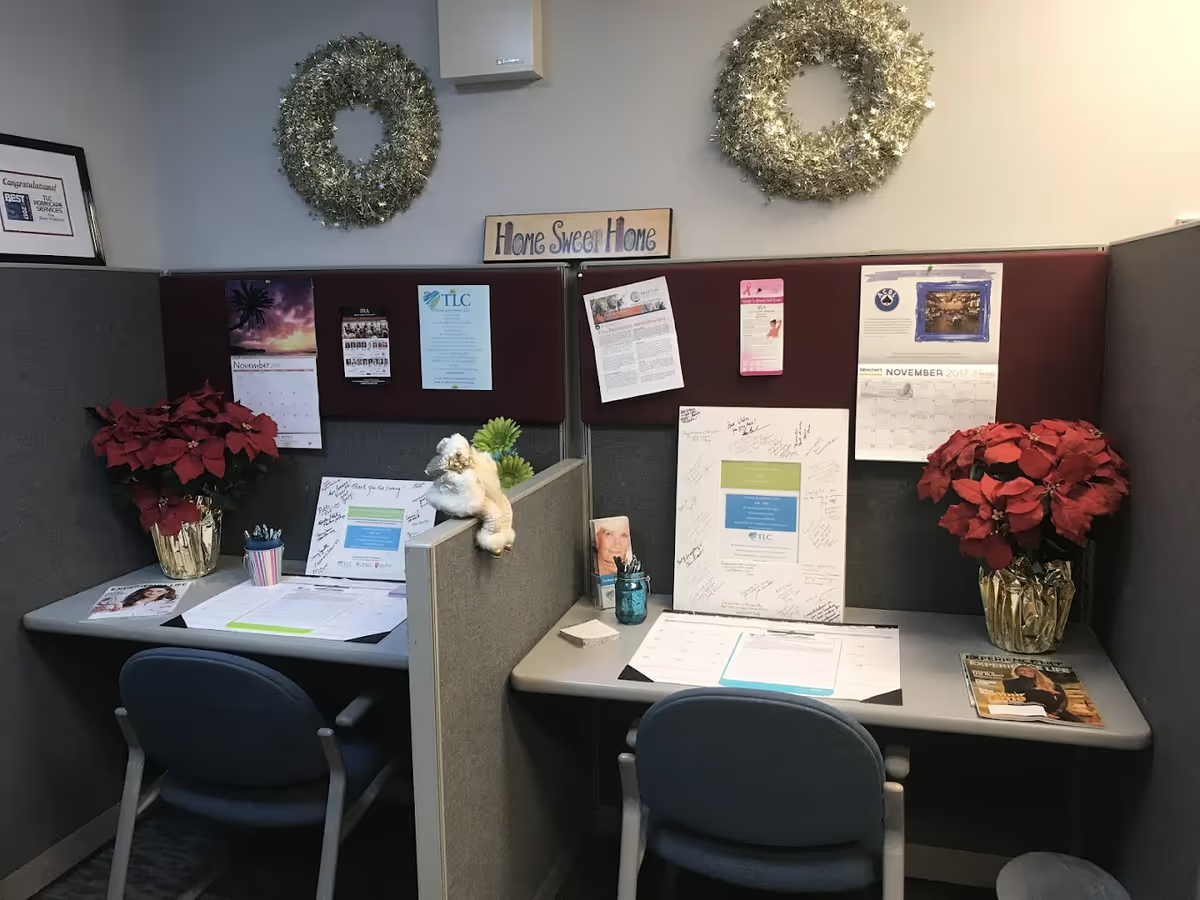
The aggregated reviews for Moorestown Visiting Nurse Association describe a clinically capable agency with many strong individual clinicians alongside recurring operational weaknesses. Caregiver quality is frequently praised: family caregivers and clinicians are described as compassionate, encouraging, and professionally skilled. Physical and occupational therapists are repeatedly highlighted for clear exercise instruction, measurable mobility gains, and patient-centered rehab plans; several reviewers credited therapists with meaningful improvements in strength, balance, and independence. Nursing staff also receive strong endorsements for clinical knowledge, thorough explanations, wound-care technique (in many cases), and for helping families navigate physician communication and post-discharge needs.
Office and administrative performance is more mixed. Some reviewers note responsive coordination and helpful intake assessments, but a notable number describe poor communication from the office — missed callbacks, limited notice of schedule changes, and an answering-service experience that feels impersonal. Intake interactions are occasionally described as unempathetic or condescending by some families, and managerial responsiveness appears uneven: specific clinicians and managers are praised, while other administrative contacts are characterized as slow or difficult to reach.
Reliability and scheduling are prominent areas of concern. While many clinicians arrived on time and provided dependable care, there are repeated accounts of missed visits, several-day no-shows, holiday coverage gaps, and long delays replacing departed staff. Reviewers describe reduced visit durations and therapy cutbacks in some cases, and several families linked an ownership or staffing change to declines in continuity and availability. Conversely, some therapists demonstrated flexibility — offering weekend visits or accommodating schedules — so availability may depend on the assigned clinician and current staffing levels.
Clinical consistency is another mixed domain. When continuity is maintained, wound care and rehabilitation are described as thorough and effective. However, multiple accounts indicate inconsistent clinical follow-through: case closures occurring before wounds were fully addressed, delayed nurse replacements, and instances where families felt left to manage escalating needs. Documentation delays and occasional gaps in service recording were also reported, which can complicate care coordination and billing clarity.
Value and overall management impressions vary with operational reliability. Families who experienced consistent clinician assignments, clear communication, and proactive follow-up generally judged the service as high value and instrumental in recovery. Where administrative issues, missed visits, or unexpected reductions in therapy occurred, perceived value dropped and some families sought alternative providers. A serious individual claim involving a household-property incident was raised and affected trust for that family; this type of allegation—while not a systemic conclusion—was significant in at least one case and underscores the importance of clear incident-response and transparency from management.
In summary, Moorestown VNA appears to offer strong clinical talent — notably in home-based PT, OT, and nursing — and many families report positive, outcome-oriented care with compassionate clinicians. Prospective clients should weigh that clinical strength against operational variability: confirm staffing and visit schedules up front, clarify wound-care plans and criteria for case closure, request documentation practices, and ask how the agency handles coverage, incident reporting, and escalation when a key clinician departs. These steps can help maximize the agency's clinical strengths while mitigating the documented administrative and scheduling risks.