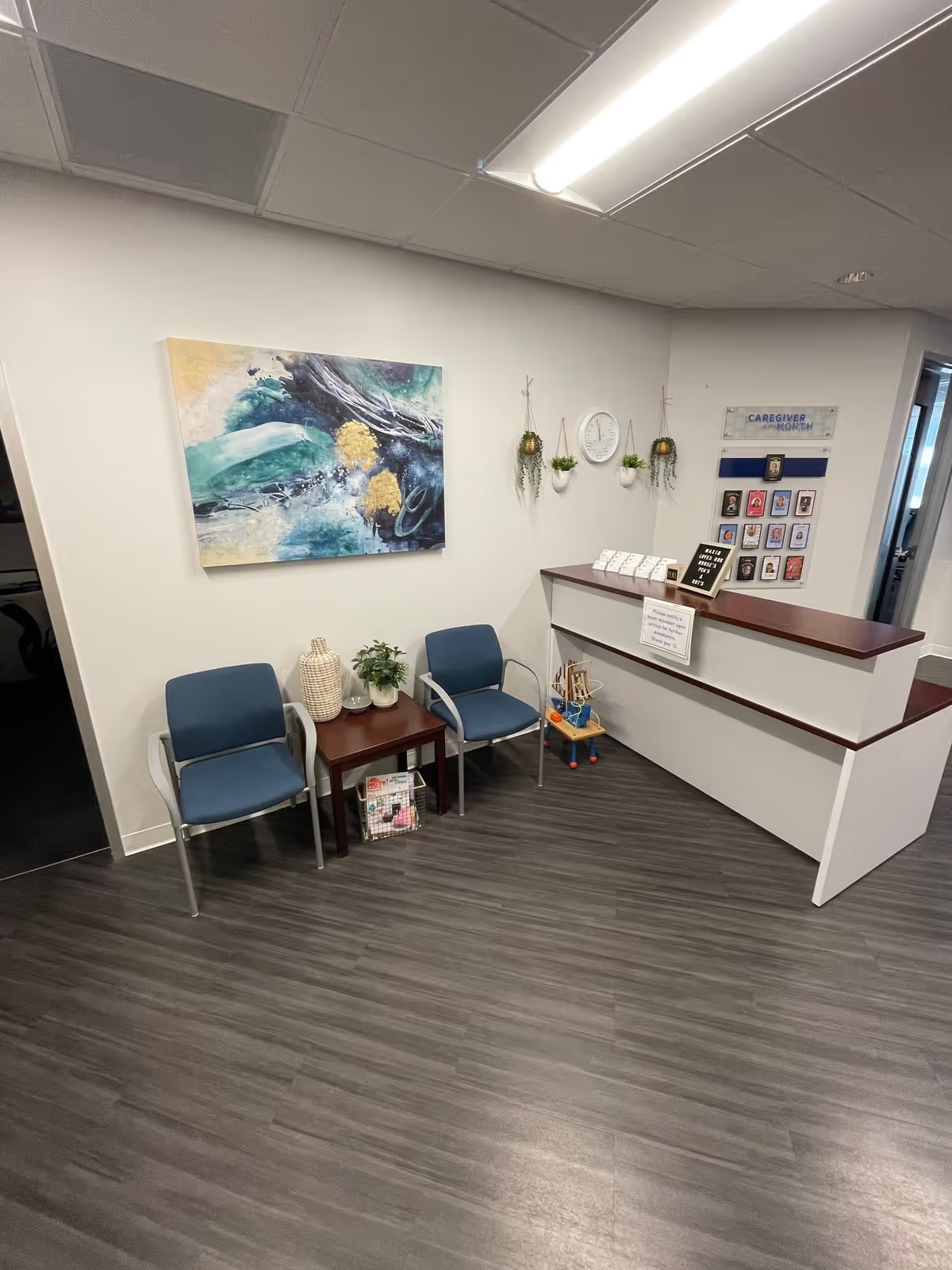
Overall impression: The agency is frequently described as delivering compassionate, dignity-focused end-of-life care within a clean, calm facility. Reviewers emphasize attentive nursing and caregiver presence at the bedside, supportive family communication, chaplain and bereavement resources, and practical help with paperwork and transport home. Language support and small comfort services (for example, massage and other complementary therapies) are also noted as contributors to the agency’s supportive environment.
Caregiver quality: Many families praised caregivers and nurses for warmth, patience and attentiveness during final days, describing consistent repositioning, comfort measures, and emotional support. At the same time, there is variability in caregiver bedside manner and clinical decision-making. A subset of families described interactions they found unprofessional or insufficiently attentive, and at least one account raised concerns about pain-management decisions. The pattern suggests that individual caregiver competence and communication style can vary; asking about caregiver vetting, training, and assignment practices may help set expectations.
Communication and reliability: Communication emerges as a mixed area. Positive experiences highlight clear explanations, responsive clinicians, and supportive front-desk interactions. Criticisms cluster around impersonal or inconsistent office communication, limited follow-through when families raised concerns, and instances of rude or insensitive staff behavior. Reliability of shift coverage is another recurring theme: while some families experienced timely same-day responses and dependable scheduling, others reported missed nurse visits and unreliable coverage. Prospective clients should clarify expected shift consistency, on-call procedures, and escalation paths.
Clinical responsiveness and scheduling: Several reviews praise the ability to secure same-day or rapid clinical visits and describe effective coordination for discharge-to-home. However, there are also reports of administrative delays, denials of crisis care, and examples where staff appeared uncertain about coverage rules (including payer-related protocols). These operational gaps can affect perceptions of value and timeliness of care; verify how the agency handles urgent authorizations, Medicare/insurer coordination, and crisis escalation before enrollment.
Management, accountability, and value: Families frequently commend the facility environment and many front-line staff members, but some raise concerns about management responsiveness when problems occur. Complaints include limited follow-up on grievances, an admissions approach perceived as pressuring, and at least one allegation of household-property mishandling. These items point to opportunities for stronger administrative oversight, clearer property-handling policies, and more consistent complaint-resolution processes. Direct questions about billing transparency, grievance procedures, and who to contact for urgent escalations can help families assess value and organizational accountability.
Notable patterns and recommendations: The dominant pattern is a high level of compassionate, dignity-oriented care supported by a pleasant facility and helpful ancillary services. Counterbalancing that are operational inconsistencies—particularly around communication, shift reliability, pain-management practices, crisis admissions, and administrative follow-up. When evaluating this agency, prospective clients should (1) ask for specifics on caregiver training and turnover, (2) confirm protocols for pain management and clinical decision escalation, (3) get written expectations for shift coverage and same-day visit availability, (4) inquire about language support and bereavement services, and (5) request the complaint and property-handling policy. These steps can help families maximize the agency’s strengths while mitigating the operational risks noted in reviews.