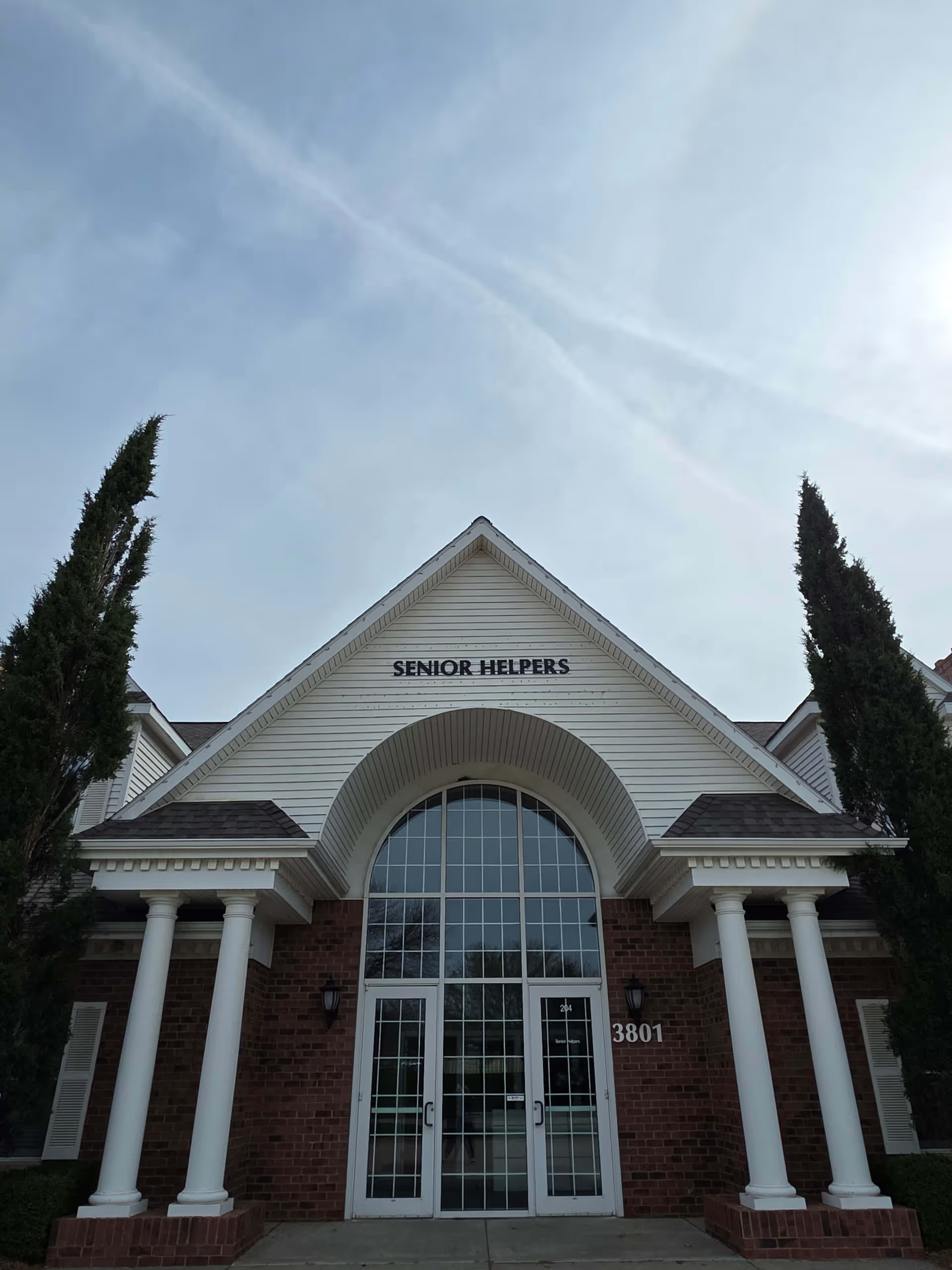
Reviewer feedback describes a clear divide between frontline caregiving and the agency's administrative operations. Caregiver quality and in‑home responsiveness are commonly cited as strengths: several reviews praise individual staff members for being helpful and prompt, and there are specific notes about fast home delivery and an affordable cash/self‑pay option. Where direct caregiver contact occurs, families experienced courteous assistance and timely service in some cases.
Administrative and communication issues form the most consistent area of concern. Many reviewers describe difficulty reaching billing or management, long hold times, and slow or absent callbacks. There is a recurring pattern of a local office that can provide acceptable in‑home support while corporate billing and customer service create friction. This local-versus-corporate disconnect appears to contribute to unresolved questions and stress for clients and families.
Billing, value, and charge transparency are prominent weaknesses. Reviews reference large upfront charges, unclear or unexpected supply and setup fees, duplicate insurance submissions, and delays while insurance is processed. The returns and dispute process is described as cumbersome, with examples of slow refunds or refusal to honor reimbursement documentation. These issues suggest inconsistent billing practices and inadequate processes for resolving financial disputes.
Reliability and scheduling are mixed. Some clients report same‑day delivery or rapid response from staff, while others experienced refusal to deliver ordered equipment, lack of equipment setup (for example, oxygen), and long waits related to insurance approval. These contrasting experiences indicate inconsistency in fulfillment and follow‑through rather than a single, uniform level of reliability.
Management and customer service behavior are variable. Several reviewers characterize management as unresponsive or unprofessional in handling complaints; at the same time, individual employees receive positive mention. The overall pattern is of an agency that can deliver competent in‑home care and timely supply delivery in some instances, but whose administrative systems—especially billing, communication, and equipment setup/returns—are uneven and may require careful oversight by families.
For prospective clients: confirm billing and insurance procedures in writing, ask specifically about setup of medical equipment and return policies, obtain direct local contact information (and, if applicable, the names of staff who've been positively mentioned), and follow up on expected timelines for insurance authorization and refunds. These steps can help mitigate administrative risks while preserving the potential benefits of the agency's frontline care.