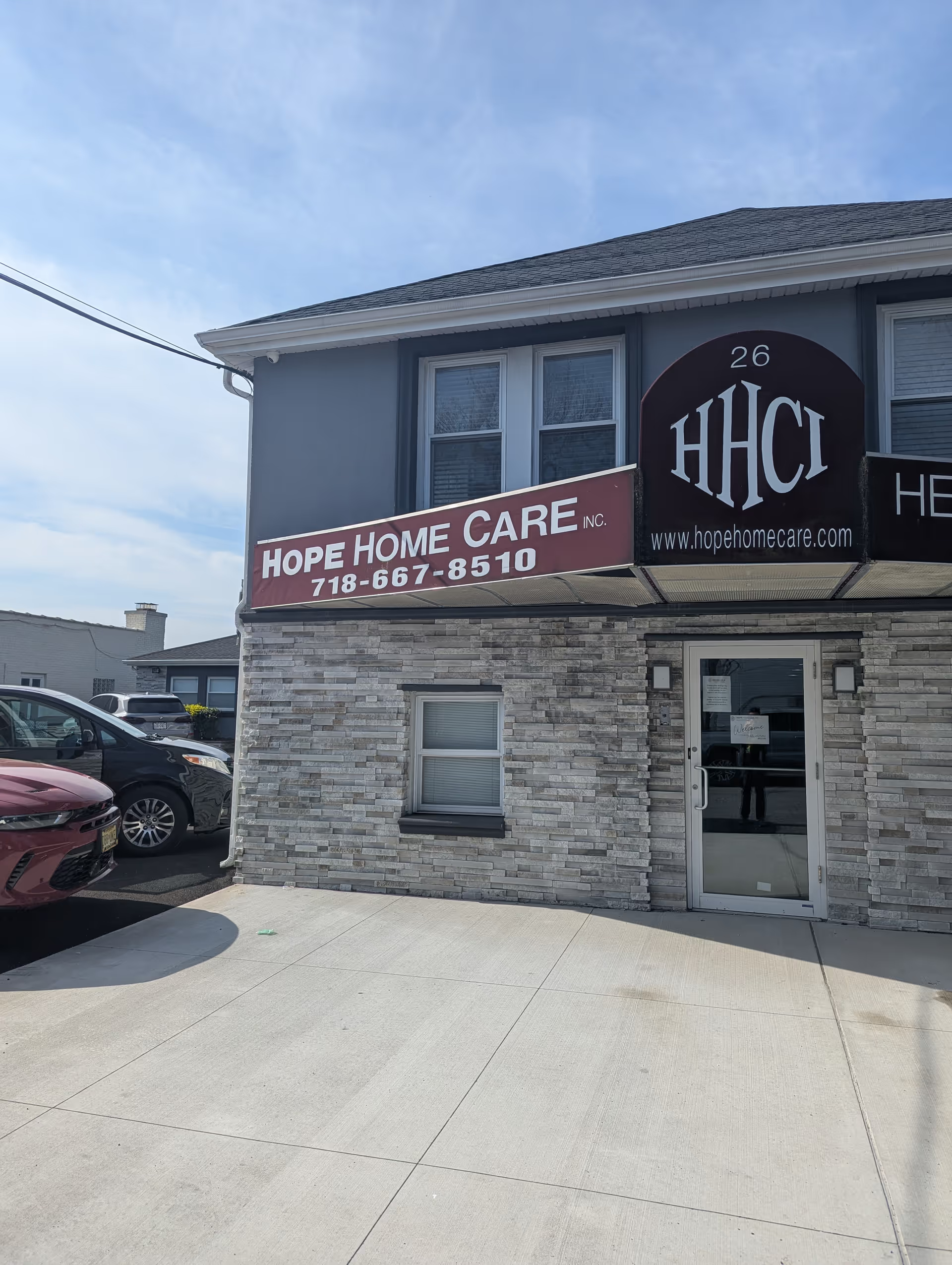
Reviewers describe a mixed picture in which clinical caregivers—particularly nurses, therapists, and some physicians—are frequently singled out for competent, compassionate, and technically sound care. Multiple accounts praise therapists for effective treatment, nurses and CNAs for attentive bedside manner, and certain physicians and RNs for listening and coordinating care. The agency also offers community-oriented programming and maintains a generally clean and welcoming clinic environment, which contributes positively to family experience for many clients.
Alongside these strengths, reviewers consistently identify organizational and administrative areas of concern. Front-desk interactions and receptionist behavior are recurring themes, with descriptions of brusque or uncommunicative responses and problems arranging or confirming appointments. Scheduling-related problems include long waits for appointments, delays of several weeks for therapy or follow-up, insufficient advance notice when assigned staff are unavailable, and occasional requirement to travel for diagnostics that families expected to be local.
Billing and financial administration emerge as another prominent pattern. Concerns include unclear or high charges, difficulty reconciling bills, perceived duplicate charges or autopay issues, and reports of aggressive collection activity. Several reviewers described billing practices that caused substantial stress for families; a small number raised more serious allegations regarding billing impropriety. After-hours and emergency-care pricing was also characterized as unexpectedly high, magnifying cost concerns.
Reliability and coordination across departments appear uneven. Some families experienced blocked orders, poor interdepartmental handoffs, and limited follow-through on concerns; others experienced timely, integrated care. There are repeated notes about inconsistent staff professionalism—strong performance from some caregivers contrasted with unprofessional conduct from others—which suggests variability in training, supervision, or culture. A number of reviewers also described inadequate responsiveness when they raised safety or conduct concerns, indicating weaknesses in complaint escalation and incident follow-up procedures.
For prospective clients and families: the agency demonstrates clear clinical strengths in nursing and therapy and offers community programs that some families value. However, weigh those strengths against documented operational weaknesses—front-office communication, scheduling reliability, billing transparency, and escalation processes. If you are considering services, ask for specifics before enrollment: how scheduling and coverage are handled, written estimates for expected charges (including after-hours fees), the process for escalating clinical or conduct concerns, and confirmation of any diagnostic logistics to avoid unexpected travel. These targeted questions can help align expectations with the variable experiences reflected in reviews.