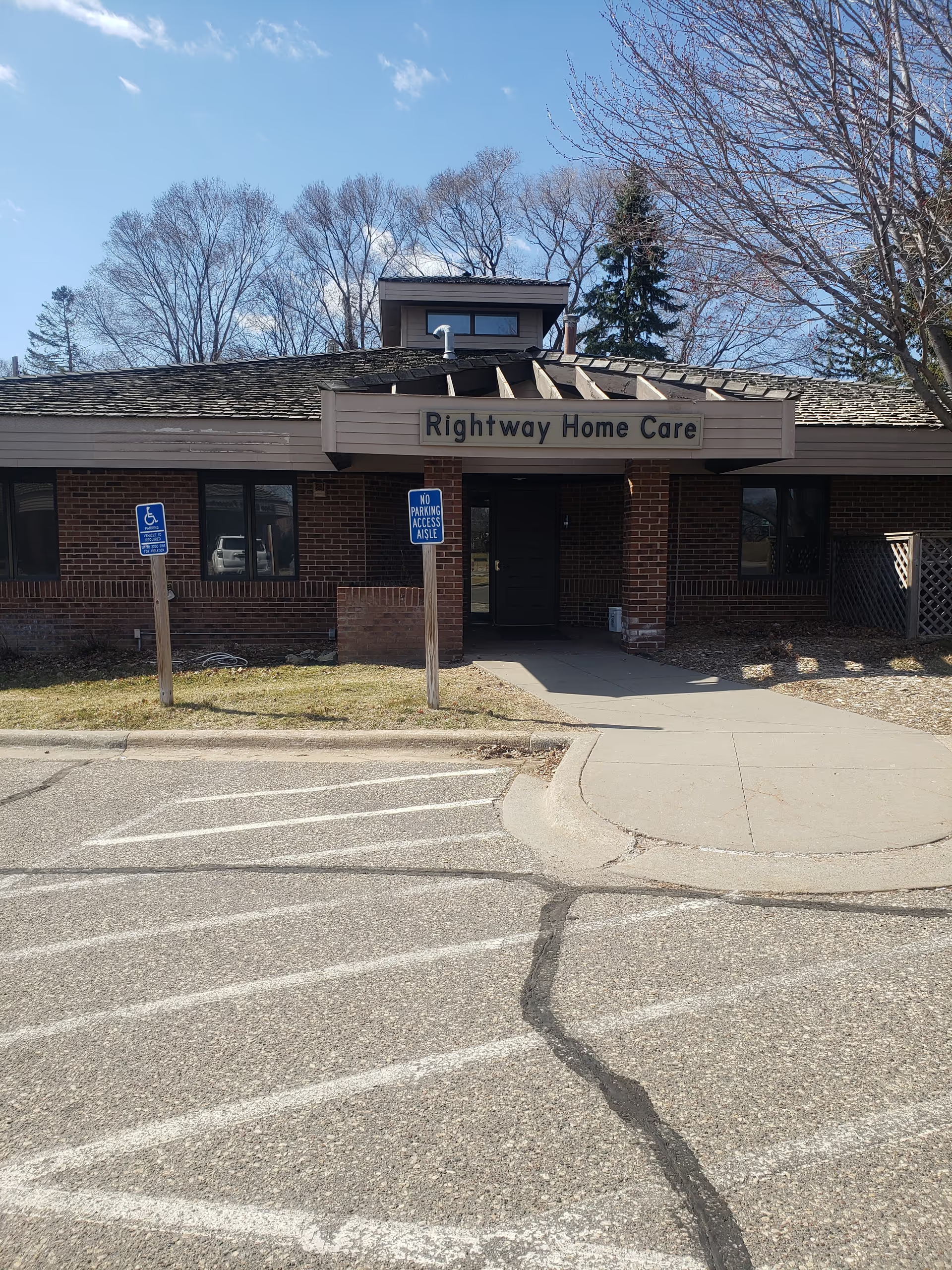
Overall impression: Reviewers most often highlighted the agency’s clinical strengths and the compassionate approach of its care teams. Families praised CNAs, aides and RNs for skill, warmth, and durable relationships that resulted in long-term caregiver assignments and continuity of care. The presence of an engaged nurse care manager and examples of effective supervisor-to-caregiver communication were cited as contributors to clinically appropriate care and family reassurance. Several families singled out high-quality support during end-of-life and hospice transitions.
Caregiver quality and matching: Many comments emphasize caregivers who are compassionate, competent with activities of daily living, and able to support safety so clients can remain at home. There are repeated references to strong caregiver-client matching and positive rapport with regular aides; substitutes were also described as capable in most cases. At the same time, reviewers indicate variability in caregiver performance across assignments, so actual experience appears to depend on the specific caregiver team provided.
Office communication and management: Communication performance is mixed. Numerous accounts note responsive, timely updates and helpful office staff and supervisors; these interactions supported quick placement and problem resolution. However, a minority of reviews describe inconsistent or abrupt communication, last-minute updates, and interactions perceived as rude or unprofessional. There are also comments pointing to uneven internal coordination and organizational disarray at the management/ownership level. Prospective clients should clarify preferred communication channels and escalation paths up front.
Reliability and scheduling: The agency is credited for flexible scheduling, staffing guarantees, and pandemic-era resilience in maintaining continuous coverage for many families. Conversely, an operational weakness appears around unreliable shift coverage for some clients — cancelled or inconsistent hours and last-minute schedule changes were reported. If shift continuity is critical, callers should confirm backup staffing protocols and cancellation policies before engaging services.
Billing and value: Several families found the service cost-effective and felt billing issues were minor and resolved when raised. Nonetheless, there are recurring concerns about billing clarity and accuracy; those seeking services should request clear written estimates, cancellation policies, and invoicing practices to reduce misunderstandings.
Notable patterns and recommendation: The dominant pattern is positive—compassionate, clinically competent caregivers supported by attentive nurse oversight and family-centered care. However, variability in office professionalism, scheduling reliability, and geographic coverage are recurring operational themes. For families considering this agency, it is advisable to confirm geographic availability, document expectations for shift coverage and backups, and obtain explicit billing and communication protocols. Doing so will help maximize the likelihood of a positive caregiving relationship while mitigating the agency-level risks reflected in some reviews.